Arc'teryx's Cronin pant shows workwear fully going technical
Arc'teryx turns the double-knee into a climbing pant, and the move says workwear has crossed from labor code to performance language.
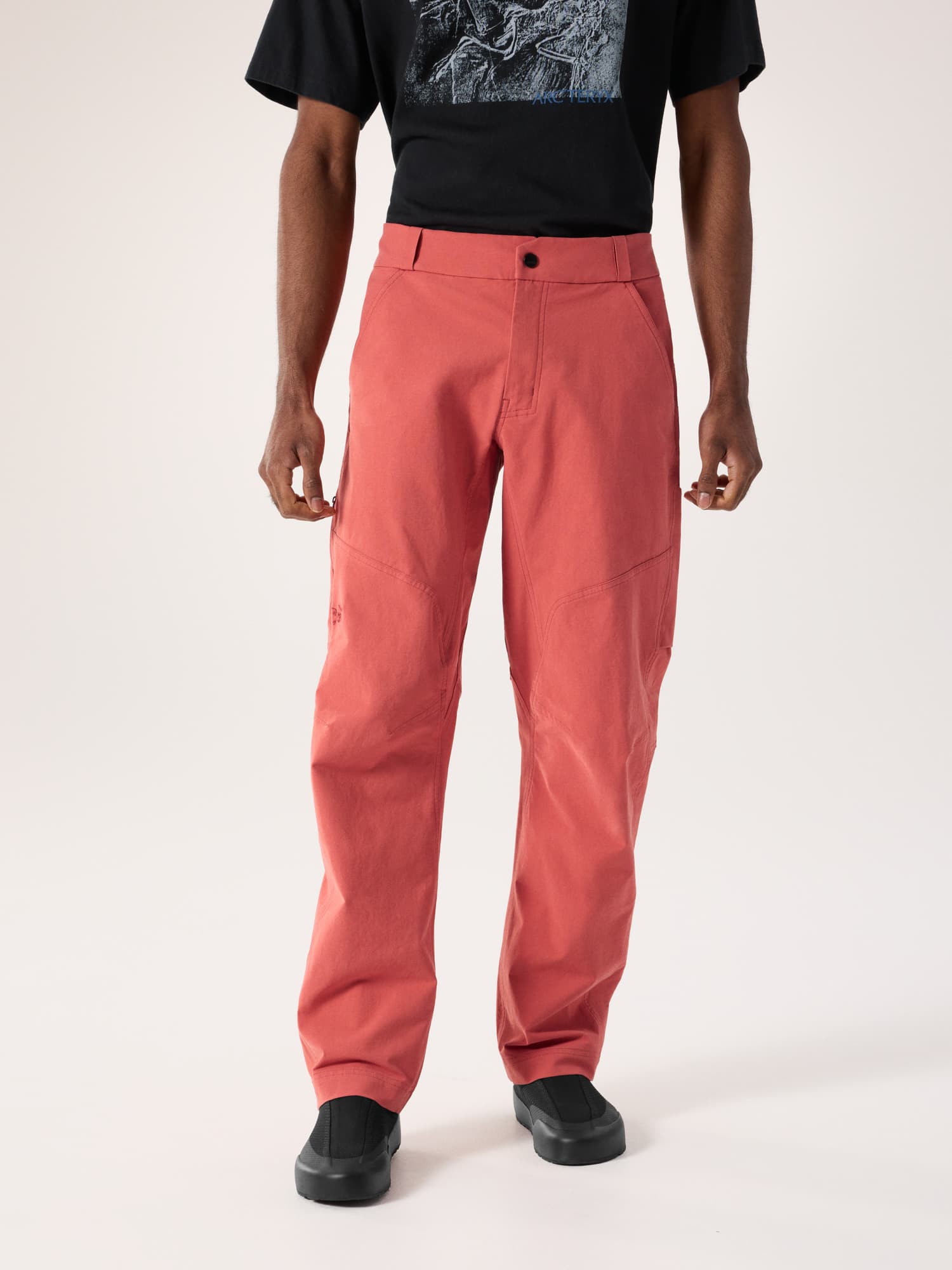
Arc'teryx’s Cronin Cotton Pant is the clearest sign yet that workwear’s toughest visual shorthand has fully migrated into technical outdoor gear. The shape still carries the look of a carpenter pant, with a wide-leg work fit, a tool pocket, and reinforced knees, but the execution belongs to a climbing wall, not a rail yard. What used to read as purely protective now reads as performance-minded, and that shift changes what the double-knee means on sight.
The significance is not just that Arc'teryx made a hardwearing pant. It is that a label known for weatherproof precision has taken one of workwear’s most recognizable codes and filtered it through the demands of bouldering, harness wear, and abrasion resistance. The result sits in a strange and very current place: close enough to workwear to feel familiar, but refined enough to function as fashion.
Why the double-knee still matters
Carhartt remains the canonical reference point for all of this. Its Double Knee line is rooted in an imported work-pant silhouette built from Dearborn Canvas, reinforced with knee paneling, metal rivets, multiple tool pockets, and a hammer loop. Carhartt’s men’s workwear dates back to 1889, and the company’s double-front tradition has become the grammar that everyone else borrows from, whether they admit it or not.
That history matters because the double-knee was never just decoration. It was a practical answer to hard use, especially in the kind of labor that tears at the knees, catches at the pocket mouth, and shreds an ordinary trouser. Gear Patrol traces the Carhartt B01 Duck Double-Front Pants to 1939, after rail workers complained about their uniforms, which makes the style’s longevity feel earned rather than manufactured. When a pant shape survives that long, it stops belonging to one trade and starts functioning as a design template.
Carhartt WIP makes that lineage even clearer. Its Double Knee Pant is directly inspired by the imported work-pant silhouette, and it has fed later shapes like the Single Knee and Simple Pants. In other words, the double-knee has already lived two lives, first as utility and then as fashion infrastructure. Arc'teryx is simply pushing it into a third one, where technical product language replaces jobsite authenticity.

What Arc'teryx changes
The Cronin Cotton Pant does not mimic Carhartt so much as translate it. Arc'teryx uses a 260gsm organic cotton and nylon weave, a combination that gives the pant the soft hand and breathability of cotton with the abrasion resistance of nylon. That matters, because the fabric is doing the same conceptual work as the reinforced knee, promising toughness without the stiffness or bulk that can make old-school workwear feel overly literal.
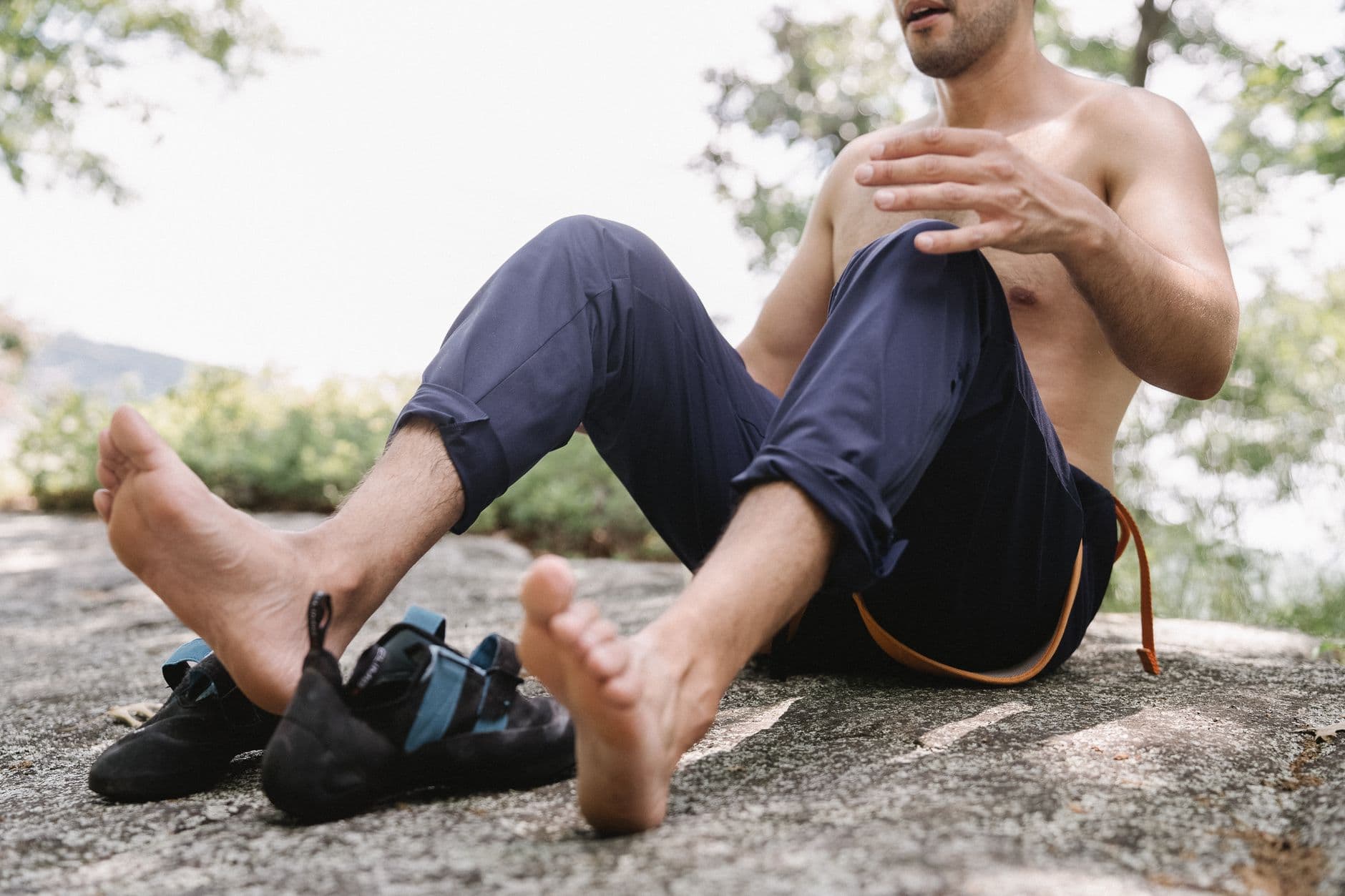
Construction details make the point even harder. Arc'teryx specifies bar tacking and double-needle topstitching, the kind of reinforcement that reads as function first and polish second. The pant is described as a climbing and bouldering style, with accessible pockets and a waistband designed to sit comfortably under a harness or hipbelt, which places it squarely in outdoor use rather than merely borrowing outdoor aesthetics. One retailer also notes a low-profile waistband and confirms the pant is produced in a Fair Trade Certified facility, adding another layer of contemporary credibility around labor and supply chain.
That is where the Cronin becomes interesting as a style object. It is not trying to look like vintage workwear pulled from a warehouse rack, and it is not pretending to be heritage Americana. It takes the visual signal of the double-knee and clears it through a technical lens, which makes the pant feel more like equipment than costume.
The price tells you where the category sits now
Arc'teryx lists the Cronin Cotton Pant at $180, and that number places it far above basic workwear pricing. A classic double-knee pant from a legacy work brand often sells on the strength of rugged utility and accessible price, but Arc'teryx is pricing this pair as premium outdoor apparel, not as entry-level labor uniform.
That difference is the real story. At $180, the Cronin is not competing with the cheapest durable pant on the shelf. It is competing with technical trousers that justify their price through fabrication, construction, and versatility, which is exactly why the workwear look now functions as a luxury signal in some wardrobes. The same knee reinforcement that once marked wear-and-tear prevention now reads as design intelligence.
This also explains why the silhouette is spreading so easily. Carhartt’s own range is broad, with double-front dungarees, cargo work pants, and denim versions still in circulation, which shows that the form continues to sell rather than sit as nostalgia. Vintage listings and resale demand reinforce that appetite, but the larger point is simpler: the double-knee has enough cultural weight to travel across categories without losing its recognizability.
So what is the double-knee saying now?
Arc'teryx’s version does not erase labor heritage, but it does loosen the pant from any single trade. The reinforced knees, tool pocket, and work fit still echo the original purpose, yet the 260gsm fabric, harness-friendly waistband, and outdoor-first construction push the pant into climbing and technical dressing. What remains is the silhouette as a durable trope, one that brands can deploy whenever they want to communicate toughness, abrasion resistance, and movement.
That makes the Cronin less a copy of Carhartt than proof that workwear has become a shared visual language. The code now signals more than manual labor: it signals endurance, utility, and a kind of stripped-down seriousness that fashion keeps returning to when it wants clothes to feel grounded. The double-knee has not stopped meaning work, but it now means performance too, and that is the point where workwear fully turns technical.
This article was produced by Prism’s automated news system from verified source data, official records, and press releases, then run through automated quality and moderation checks before publishing. The system is built and supervised by the people who set the standards it runs under. Read our full AI policy.
Know something we missed? Have a correction or additional information?
Submit a Tip