Balancing Performance and Sustainability in Workwear: A Buyer's Checklist
Buying workwear that's both tough and responsible isn't a compromise — it's a checklist problem. Here's how to solve it.
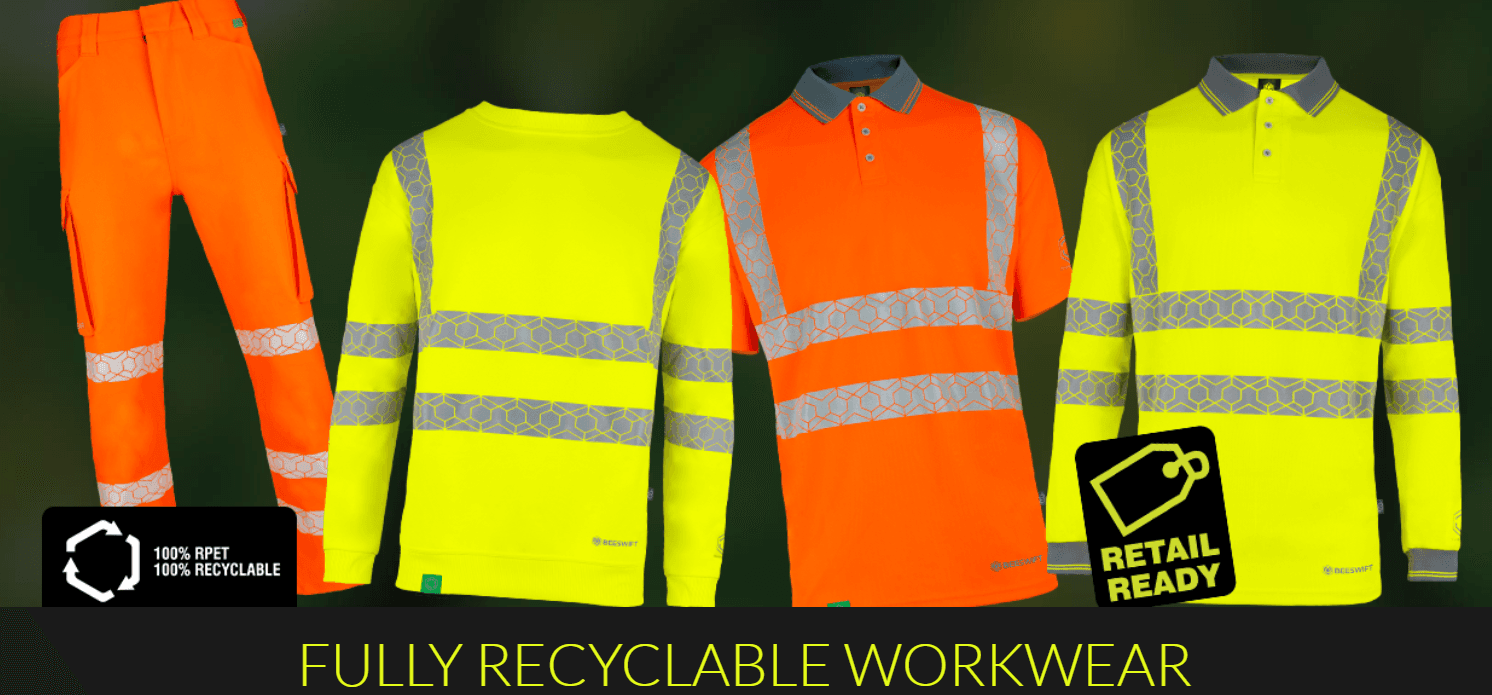
The workwear category has a credibility problem. Brands have spent decades selling "performance" as the whole story: abrasion-resistant this, triple-stitched that, guaranteed for the jobsite. Sustainability, when it showed up at all, was a hang tag afterthought. But the buyers and product teams building out workwear programs in 2026 can't afford to treat these as separate conversations anymore. Durability and recycled content aren't opposites. A garment built to last five years is, by definition, a more sustainable garment than one that pills and tears in six months. The tension is real, but it's navigable — if you know exactly what to ask before you commit to a purchase.
This checklist is built for that moment before the order is placed.
Start with fabric construction, not marketing claims
The fabric label is where greenwashing lives and dies. A workwear piece can claim "sustainable materials" while using 5% recycled polyester and 95% virgin fiber. That's not a sustainable garment; that's a marketing decision. When evaluating any workwear option, start by demanding the full fiber breakdown: the percentage of recycled or bio-based content, the source of that content (post-consumer versus post-industrial recycled material are not equivalent), and whether the base fabric holds third-party certification.
Look for:
- Recycled polyester (rPET) sourced from post-consumer plastic, verified by Global Recycled Standard (GRS) certification
- Organic or regenerative cotton certified by GOTS (Global Organic Textile Standard)
- Blended fabrics where the recycled component is at least 30% to meaningfully reduce virgin resource extraction
- Transparency on where the fabric is woven, not just where the garment is assembled
Fabric weight matters here too. A heavier-weight canvas or ripstop in recycled fiber will outperform a lightweight virgin-fiber option in both durability and resource efficiency over its full lifespan.
Performance finishes: the sustainability trap hiding in plain sight
This is the part of the checklist most buyers skip, and it's the most consequential. Performance finishes — the treatments that give workwear its stain resistance, water repellency, and anti-microbial properties — have historically relied on PFAS (per- and polyfluoroalkyl substances), a class of "forever chemicals" that persist in the environment and have been linked to serious health concerns. A garment can be made from 100% recycled fiber and still be a sustainability liability if it's been treated with fluorinated DWR (durable water repellent) chemistry.
The good news is that PFAS-free alternatives have matured significantly. C0 DWR treatments (zero fluorine) now perform adequately for most workwear applications that don't involve sustained wet-weather exposure. Bio-based DWR formulations using plant-derived chemistry are entering the market at scale. When evaluating a workwear piece with any water-repellent or stain-resistant finish, ask specifically:
- Is the DWR treatment fluorine-free (C0)?
- Has the garment been tested to bluesign or OEKO-TEX STANDARD 100 to verify the absence of harmful chemical residues?
- How many wash cycles does the finish maintain performance? (A finish that degrades after 10 washes is both a performance failure and a sustainability failure, since it prompts early replacement.)
Stain-resistant workwear that requires dry cleaning is also a red flag. Dry cleaning solvents introduce their own toxicological and environmental costs. Machine-washable performance is the baseline expectation.
Durability as the core sustainability metric
The most sustainable workwear garment is the one that doesn't need to be replaced. This sounds obvious, but it reframes how to read a spec sheet. Triple-stitched seams, bartack reinforcements at stress points, and reinforced knee panels are not just performance features; they are sustainability features, because they extend the usable lifespan of the garment and defer the resource cost of replacement.

When reviewing construction quality, check:
- Seam type at high-stress points (flat-felled or double-stitched seams significantly outlast single-stitched construction)
- Thread composition (polyester thread is stronger and more abrasion-resistant than cotton thread, but look for recycled polyester thread where available)
- Knee and elbow reinforcement panels — are they integrated into the garment's construction or external patches? Integrated panels hold longer
- Zipper and hardware quality — YKK zippers and metal hardware components outlast plastic equivalents substantially
A garment's repairability is equally critical. Some workwear programs now offer repair services or sell replacement hardware and panels directly, which extends garment life without requiring full replacement. This model is gaining traction with brands building out take-back or repair infrastructure, and it should factor into a procurement decision if you're buying at volume.
End-of-life planning: recyclability and take-back
Performance workwear made from blended fibers — say, a cotton-polyester-elastane mix — is notoriously difficult to recycle because fiber separation technology hasn't scaled commercially yet. If recyclability at end-of-life is a procurement priority, the cleanest option remains mono-material construction: 100% polyester or 100% nylon, which feeds into existing mechanical recycling streams. The trade-off is that mono-material garments can sacrifice some performance characteristics that blended fabrics provide.
This is a genuine tension without a perfect resolution yet. What buyers can do right now:
- Prioritize brands that operate verified take-back or garment recycling programs (look for partnerships with Renewlon, Recover, or similar fiber-to-fiber recyclers)
- Ask whether garments are designed for disassembly — meaning trims, hardware, and labels can be removed before recycling without destroying the shell fabric
- Avoid garments with bonded or laminated constructions if recyclability matters, since delamination is required before recycling and rarely happens at scale
The checklist in practice
Before signing any workwear purchase order, run through these pressure points in sequence:
1. Fiber breakdown: What percentage is recycled or certified sustainable? Is it third-party verified?
2. Chemical finishes: Is the garment PFAS-free? What certification covers it?
3. Construction quality: Are stress points reinforced in a way that demonstrably extends lifespan?
4. Wash and care: Is it machine-washable? Does the performance finish survive real-world laundering?
5. End-of-life: Does the brand offer take-back? Is the construction mono-material or designed for disassembly?
No workwear program scores perfectly across all five right now — the industry infrastructure for truly closed-loop performance workwear is still being built. But the brands building toward it are identifiable by how readily they answer these questions. Opacity at the spec sheet level is the clearest signal that a "sustainable" claim isn't ready to be tested.
The buyers who push hardest on these questions in 2026 are the ones who won't be replacing their workwear programs again in 2028.
Know something we missed? Have a correction or additional information?
Submit a Tip