Biodegradable linings could reshape workwear’s sustainability future
The greenest chore coat is the one built to come apart cleanly. Biodegradable linings and pocketing are moving workwear sustainability from the shell fabric to the hidden build.

In chore coats, carpenter pants, and lined outerwear, the pocketing, linings, labels, and fasteners often decide whether the piece can be repaired, recycled, or only discarded. At Sungil Tex, Danny Lee’s view is blunt: “a garment is only as sustainable as its least sustainable part.”
Why workwear is the right place to start
Workwear has always been a design language built on function, not decoration. That makes it the ideal category for a serious sustainability reset, because the appeal of a chore coat or lined overshirt comes from how the garment is assembled, not just how the fabric looks on a hanger. If the outer layer is durable but the inner build still relies on conventional synthetic linings and mixed-material trims, the garment can still become an end-of-life burden even when the surface story sounds responsible.
That is where biodegradable pocketing and linings matter most. Sungil Tex, the Hong Kong-based pocketing and lining manufacturer, says its sustainability lineup includes more than 50 textile solutions, among them biodegradable linings, recycled polyester, and recycled nylon. The company says it was founded in 2008 and serves more than 200 brands across 20 countries, which suggests that the market for these hidden components is already global, not niche.
The hidden trims problem
The environmental case does not stop at linings. Buttons, zippers, labels, fasteners, and pocketing can obstruct textile recycling because they are often built from different polymers and mixed materials than the main fabric. That mismatch makes disassembly slower and less efficient, especially in garments that were never designed with end-of-life separation in mind. In other words, a sturdy metal tack button or plastic zipper coil can matter as much as the twill on the surface when a garment reaches a sorting line.
The answer is not to ignore these components, but to redesign them. Lee is focused on designing for products’ end of life and on why biodegradability in trims matters when luxury brands are adopting more sustainable linings. Workwear-style dressing now runs far beyond blue-collar literalism and now runs through refined utility, technical fabrics, and soft tailoring, which means the conversation can no longer stop at abrasion-resistant shells.
Regulation is pushing the industry inward
The European Union has already made the hidden architecture of garments part of the compliance conversation. Regulation (EU) 2024/1781, the Ecodesign for Sustainable Products Regulation, was adopted in 2024 and establishes a framework for ecodesign requirements for sustainable products, including a Digital Product Passport framework. The regulation also creates rules aimed at preventing the destruction of unsold consumer products, with textiles among the categories now under sharper scrutiny.
For workwear, durability alone is no longer the finish line. A coat that lasts longer in a closet still has to make sense in a circular system, where data, traceability, and material recovery are built into the product from the start. The European Commission has already moved to support implementation with measures tied to unsold apparel, clothing, accessories, and footwear.
Why the microplastic argument reaches inside the garment
The environmental pressure is not only about waste after disposal. UNEP warned in 2019 that the fibers in clothing contribute an estimated 9% of microplastic losses into the oceans, which helps explain why polyester-heavy linings and pocketing are drawing so much scrutiny. Once you start thinking in that frame, the inside of a jacket is no longer secondary. It becomes part of the pollution equation, especially in garments built around synthetics that were chosen for cost or performance without regard for what happens later.
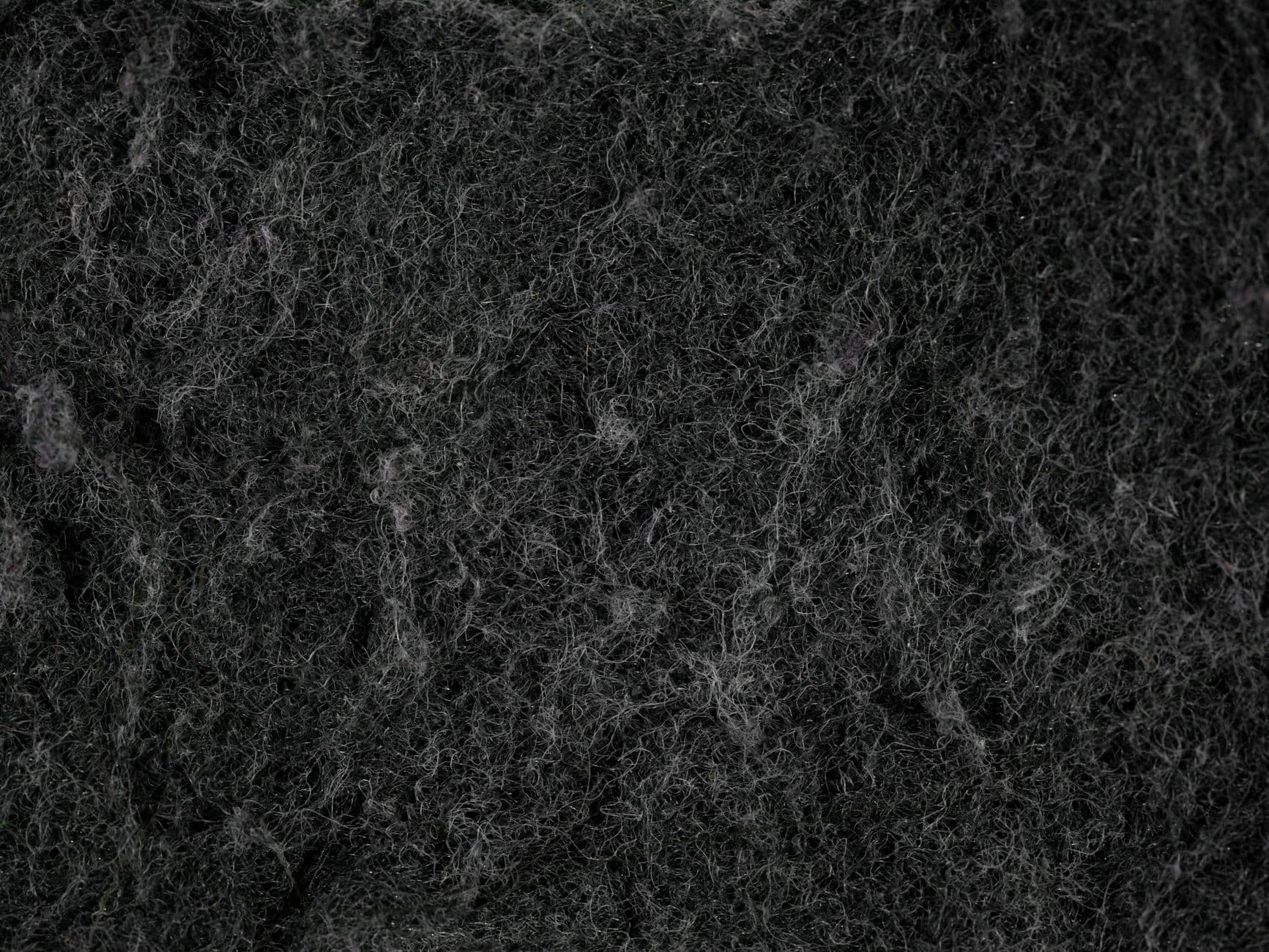
That is also why bio-based and cellulosic alternatives have moved from theory to product development. Sungil Tex says its sustainable textile range includes biodegradable linings made with fibers such as TENCEL, EcoVero, and Naia as part of a broader push toward end-of-life performance. Luxury brands are often able to absorb higher material costs and can turn invisible construction details into part of the value proposition.
What to look for in durable, lower-impact workwear
- Shell fabrics that are only the beginning, not the whole story.
- Linings and pocketing made from biodegradable or easily separable materials.
- Trims that use fewer mixed polymers, so zippers, labels, and fasteners do not block recycling.
- Clear material disclosure, which aligns with the Digital Product Passport logic now entering EU rules.
- Construction that anticipates repair and disassembly, not just first wear.
This article was produced by Prism’s automated news system from verified source data, official records, and press releases, then run through automated quality and moderation checks before publishing. The system is built and supervised by the people who set the standards it runs under. Read our full AI policy.
Did this article answer your question?

