Breathable office dresses to survive commuting, heat, and work trips
The smartest summer work dress cools, conceals, and keeps its shape through the commute. Bossi’s wear-tested picks prize breathable fabric, pockets, and polish.
Record-breaking heat is sweeping from the Midwest to the eastern U.S., with tens of millions under heat warnings heading into the July 4 weekend. The summer work dress has one unforgiving job: it has to cool you down on a crowded commute, hold its shape through a long desk day, and still look deliberate when the calendar turns to 5 p.m.
Andrea Bossi tried nearly $1,000 worth of dresses across New York City over a couple of weeks, including on very hot days, and has more than six years of fashion-writing experience across tech, law, and media.
International Workplace Group’s 2025 report found that 81% of workers with a dress code believe it is strictly enforced, while 84% say they feel confident their attire is appropriate, and Gen Z and millennials are reshaping what a work uniform looks like.
Corporate office: coverage, polish, and enough structure to sit in
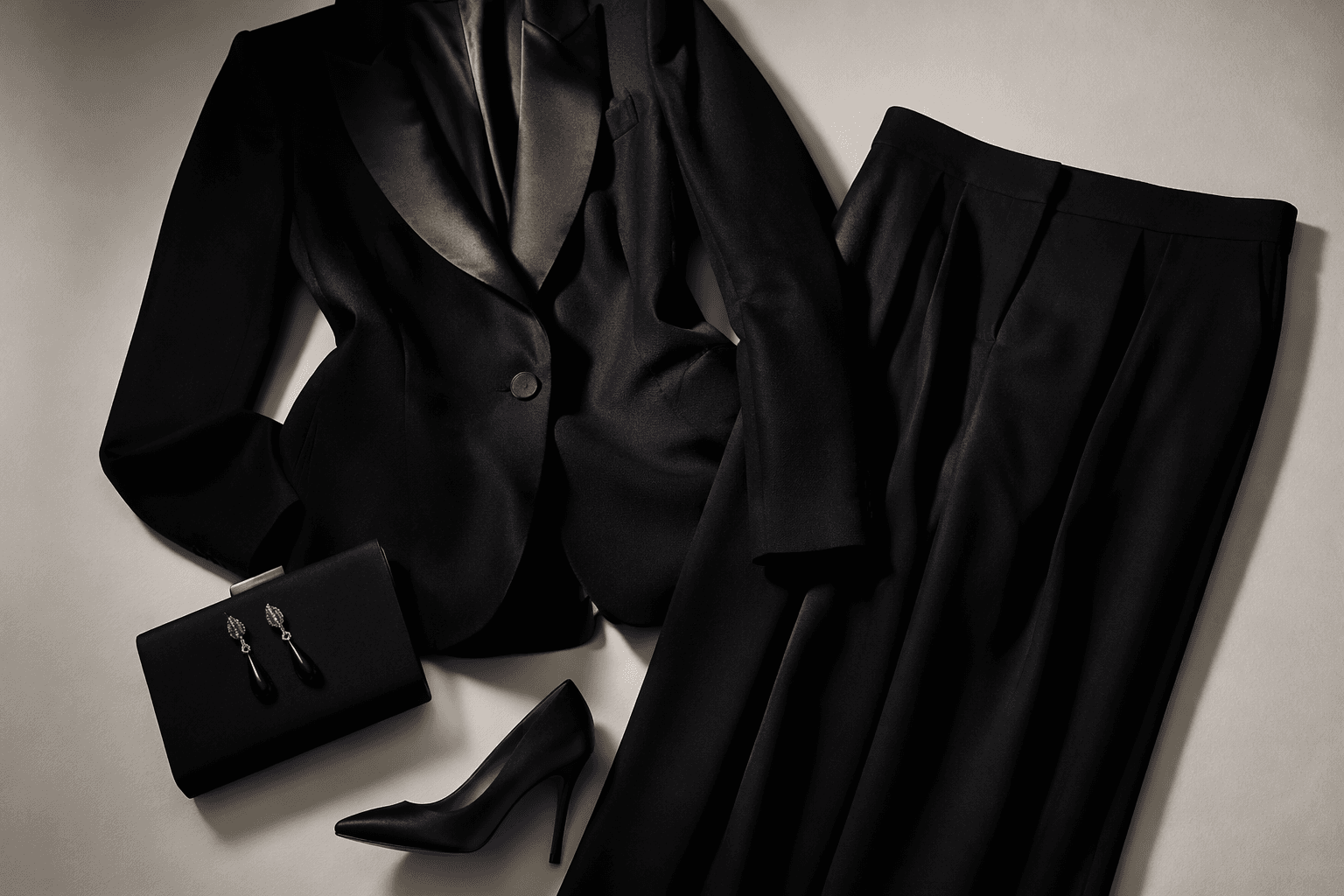
In a stricter office, Bossi’s advice starts with the obvious details that determine whether a dress looks composed or accidental. Length matters, shoulder exposure matters, fit matters, and color matters, because a dress that works in the mirror can behave very differently after a train ride and a full day in a chair. The goal is not just to stay cool, but to avoid the small failures that make summer dressing feel sloppy by midafternoon.
That means leaning toward pieces that keep a clean line through the body without clinging to it. Natural moisture-wicking fabrics and colors that help conceal sweat stains and panty lines become much more important when the temperature spikes and the office air-conditioning can only do so much.
- A hem that still looks intentional when seated
- Shoulder coverage that matches the room
- Fit that skims instead of grabs
- Materials that move moisture away from the skin
- Colors that do not broadcast every sign of a humid commute
- Pockets, because function is part of polish
Bossi’s named examples, Brochu Walker’s Mina Dress and Babaton’s FigureKnit Priestly Dress, sit squarely in that lane.
Business-casual floors are asking for ease, not looseness
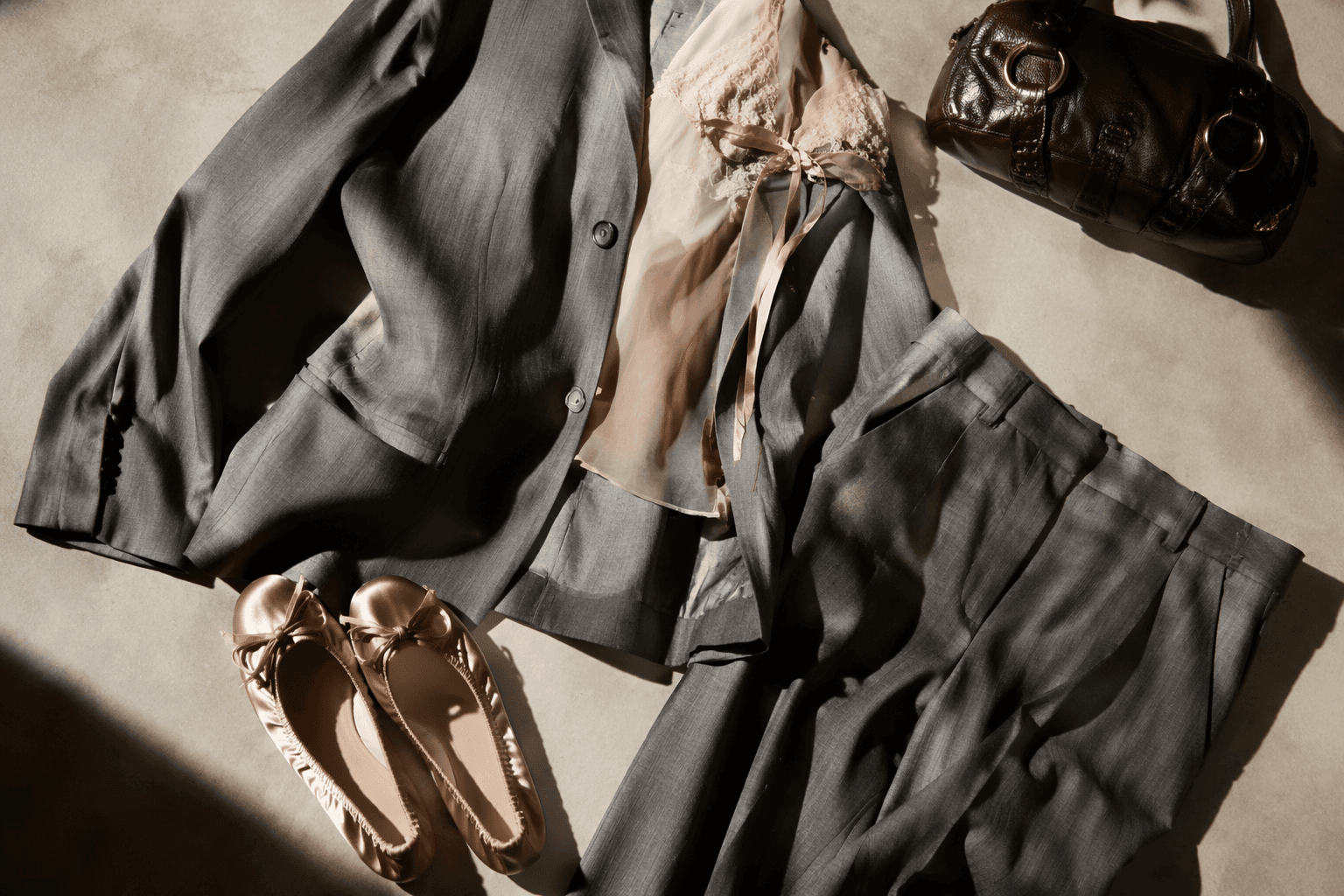
A more relaxed workplace gives a little more room for personality, but the best dresses still do real work. The dress has to match workplace culture and personal style without feeling either too rigid or too casual for the room, and that balance matters when dress codes are enforced but expectations are still shifting.
That is where fabric and silhouette carry the whole look. A dress can be softer, more fluid, or slightly more relaxed in shape, but it still needs to hold its polish through hours of sitting, standing, and moving between meetings. In practice, that means choosing pieces that read intentional, not tentative, even when the forecast makes every layer feel like a negotiation.
Bossi’s emphasis on shoulder exposure and fit is especially useful here. In a less formal office, a dress can show a little more skin or fall a little more loosely, but the line still has to feel controlled.
Travel days demand wrinkle resistance above everything else
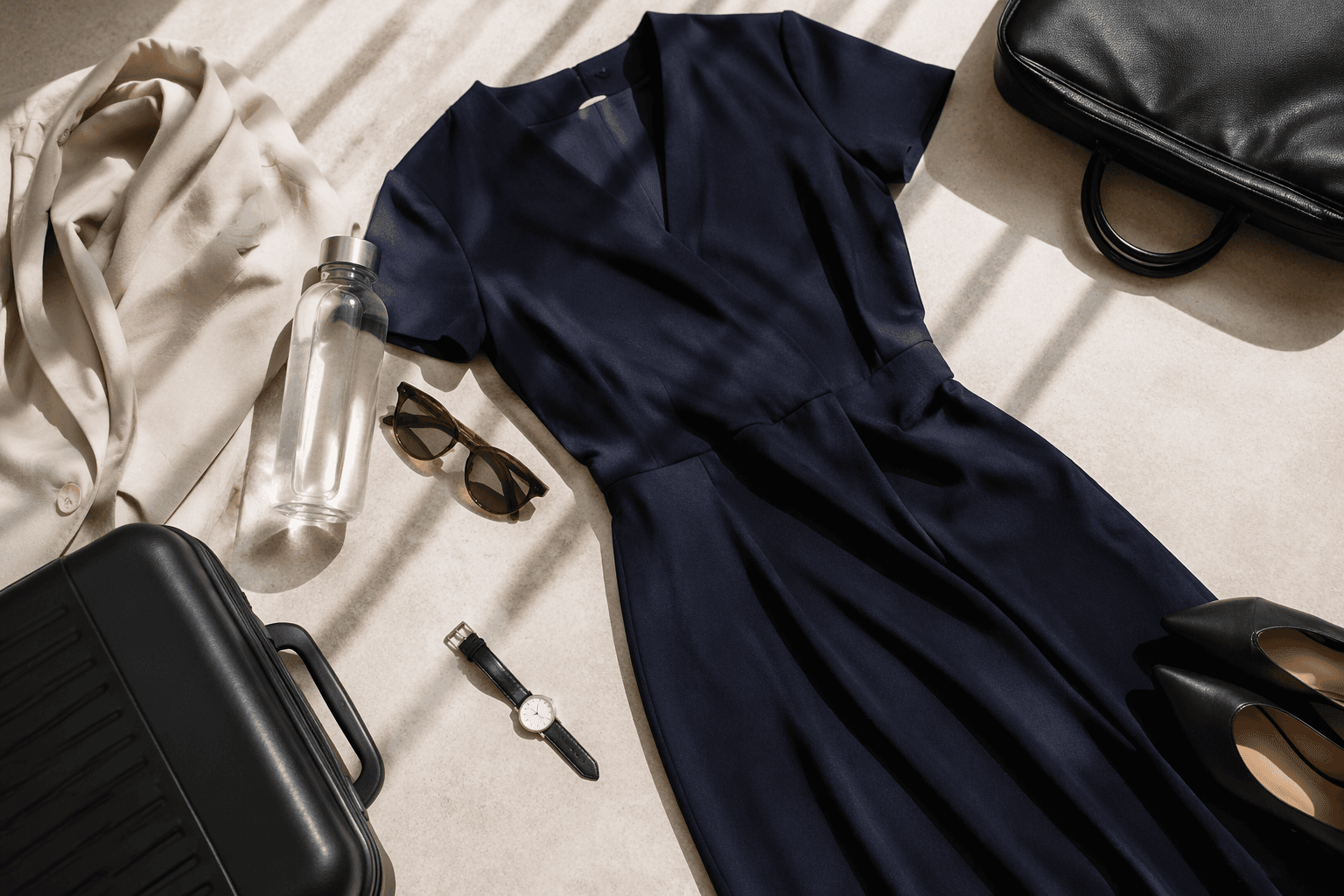
The work-trip dress has a different brief: it cannot wrinkle. A piece can be flattering in a static fitting room and still fail the moment it is packed into a carry-on or worn through a day of terminals, rideshares, and hotel lobbies.
Bossi was evaluating clothes in motion, in heat, and in the kind of everyday friction that exposes weak construction quickly. A travel-friendly dress has to survive compression, still look fresh after a long sit, and avoid broadcasting sweat or creasing at the first sign of humidity.
When a dress combines easy wear, a fabric that manages moisture, and enough structure to look finished without extra styling, it becomes the rare item that can do office duty and transit duty at once.
Why this category is moving now
The return-to-office push in 2026 is helping explain why polished comfort is suddenly such a live category again. Business clothes are no longer being asked to look severe for their own sake; they are being asked to function in real heat, with real commutes, in workdays that are longer and less predictable than the old office uniform assumed.
That shift is also generational. Gen Z and millennials are reshaping what a work uniform looks like, even as dress codes remain firmly in place, and the market is responding with pieces that are softer, smarter, and more practical than the old idea of office dressing.
This article was produced by Prism’s automated news system from verified source data, official records, and press releases, then run through automated quality and moderation checks before publishing. The system is built and supervised by the people who set the standards it runs under. Read our full AI policy.
Did this article answer your question?