Chanel acquires Charvet, putting bespoke shirting at the center of workwear
Chanel’s Charvet buy puts the white shirt back on top, linking Matthieu Blazy’s runway collaboration to one of Paris’s oldest shirtmakers.
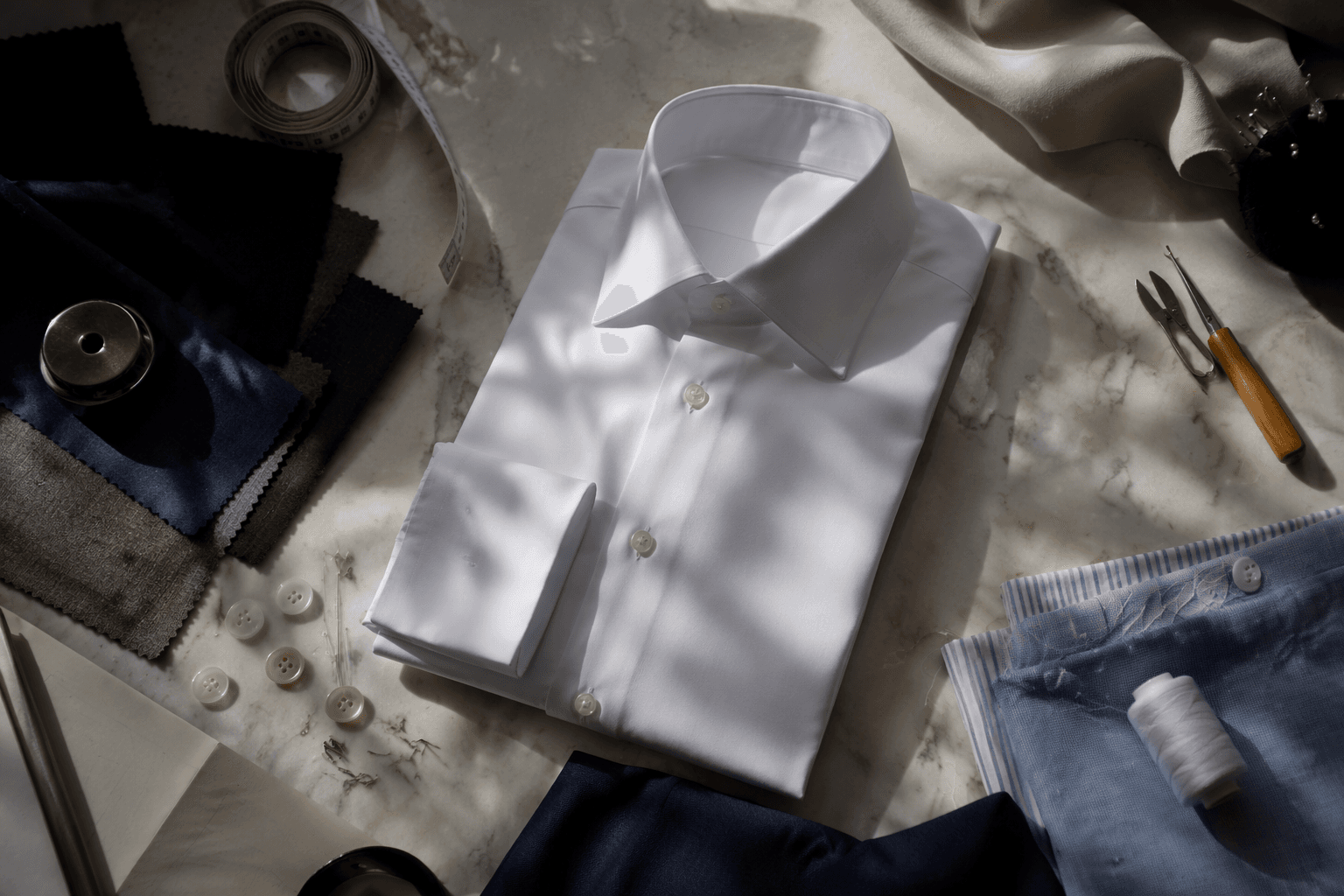
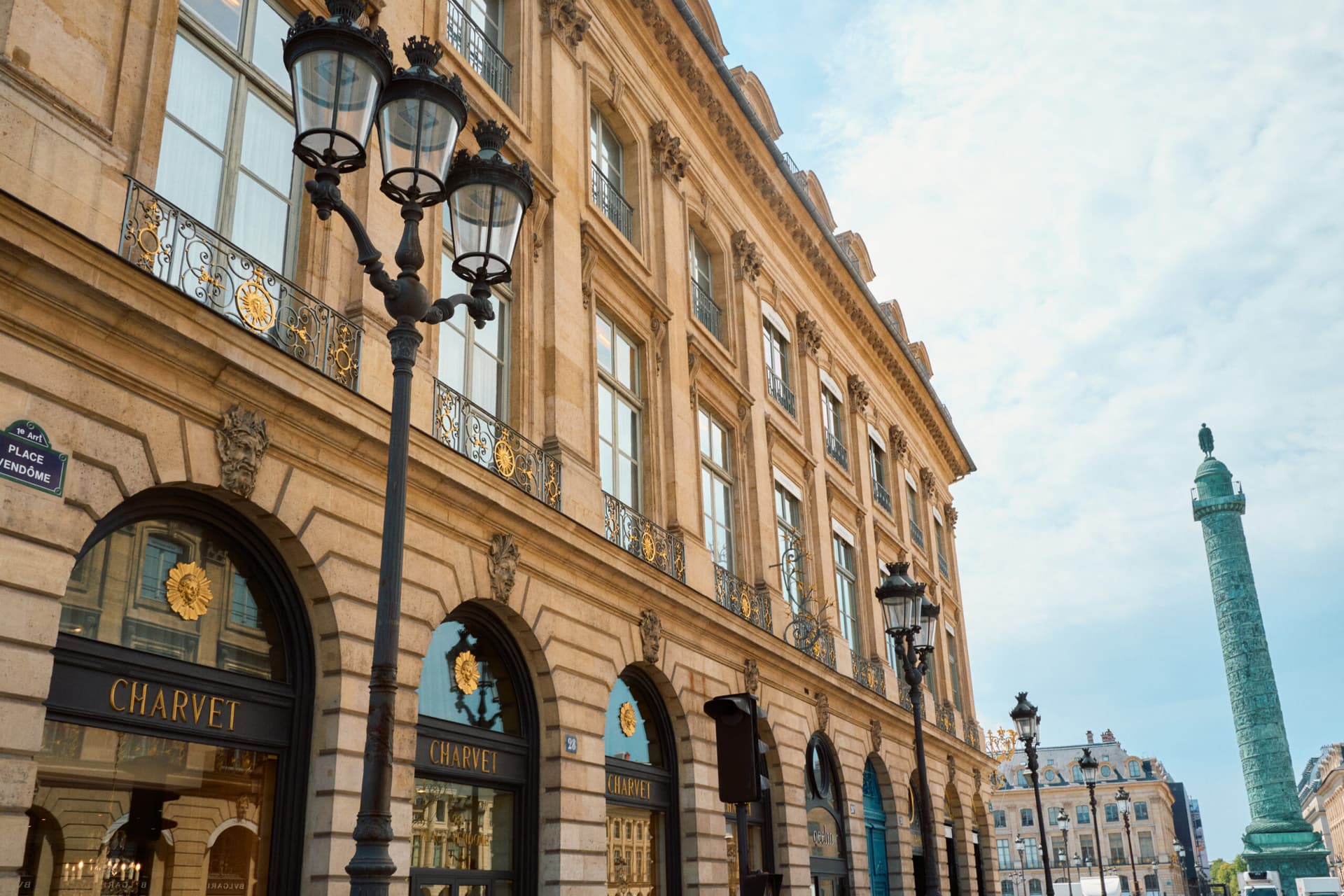
Chanel agreed to acquire Charvet, the 1838 shirtmaker that has held court at 28 Place Vendôme since 1877, and the white shirt suddenly looks like a power piece again. The deal, announced on July 2, 2026, turns Matthieu Blazy’s runway flirtation with Charvet into something far more durable: a stake in specialist shirting, not just a seasonal nod to it. Financial terms were not disclosed.
Charvet is not some nice little heritage name to tuck into a mood board. It is widely described as France’s oldest shirtmaker and, in some accounts, the world’s first true specialist shirtmaker. Its customer list reads like a very sharp black book from another century: Charles Baudelaire, Marcel Proust, Winston Churchill, Jean Cocteau, Gabrielle Chanel, and Boy Capel, Chanel’s great love, who was also a regular client. That lineage matters now because luxury is once again chasing authority through craft, and the white shirt is one of the few garments that can carry both the polish of the boardroom and the attitude of the street.
The transaction reportedly includes Charvet’s headquarters and its store on Place Vendôme, a rare move that keeps the maison rooted where it has been for nearly 150 years. Charvet’s production remains concentrated in Saint-Gaultier, in the Indre department, where about 60 people work, while roughly 40 more are based at the Paris boutique. Chanel said the point is to preserve Charvet’s expertise and creative independence, while protecting the workshops that keep the shirts coming. Jean-Claude Colban framed it as a union of two historic Parisian houses committed to excellence, transmission, and savoir-faire.
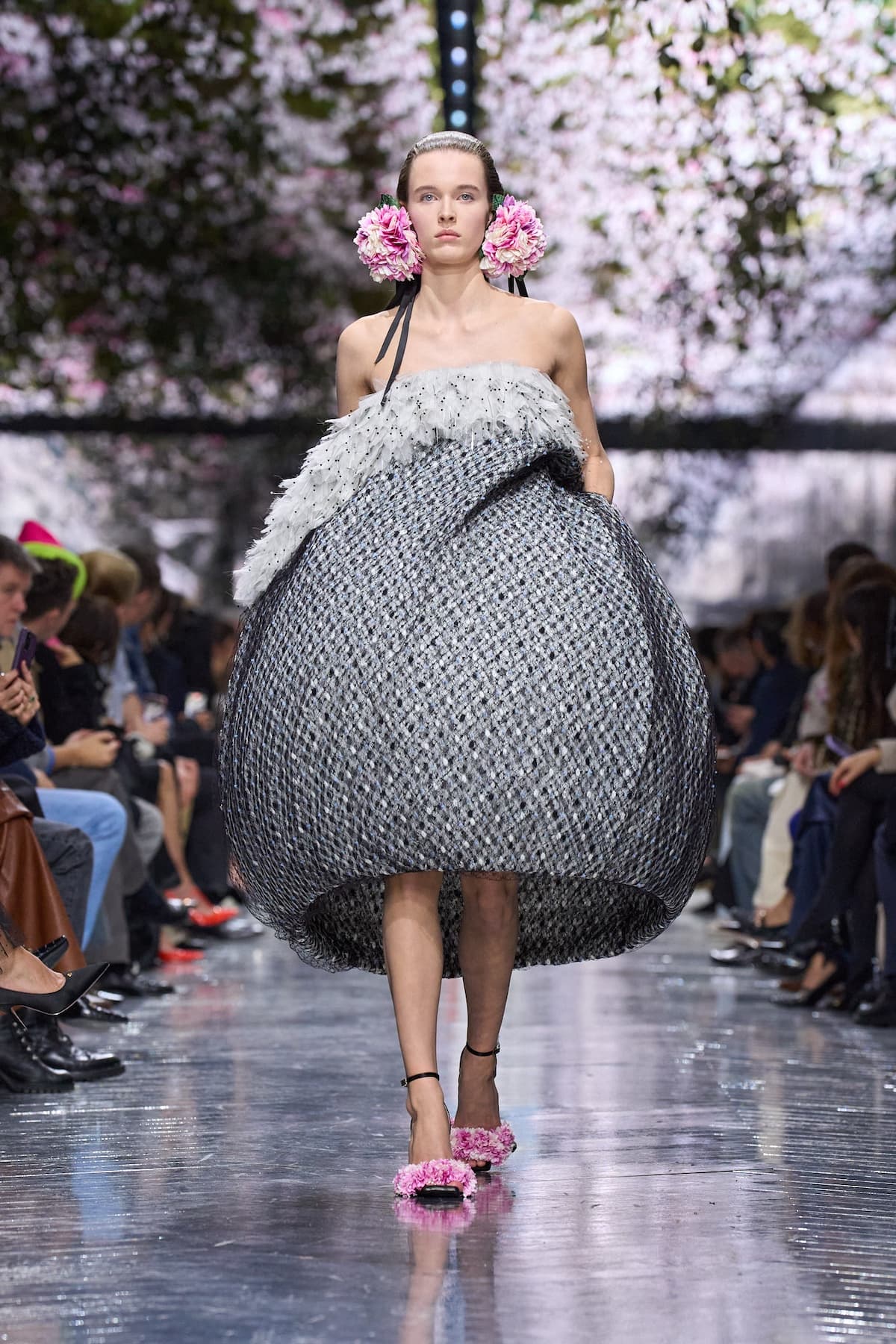
The timing is the tell. Blazy’s Chanel debut in October 2025 included Charvet-made white shirts, part of Chanel’s first public brand collaboration under his watch, and the shirts became one of the collection’s talking points. Now Chanel has moved from collaboration to control, and that is the real luxury flex: owning the house that knows how to cut the collar, set the shoulder, and make a plain white shirt feel exacting instead of ordinary. Chanel’s 2025 revenue reached $19.3 billion, up 2% from 2024, so this is not a survival play. It is a strategic purchase of credibility, the kind that makes a work shirt look like a house code.
This article was produced by Prism’s automated news system from verified source data, official records, and press releases, then run through automated quality and moderation checks before publishing. The system is built and supervised by the people who set the standards it runs under. Read our full AI policy.
Did this article answer your question?