Defence Textiles at Techtextil/Texprocess — market-ready protective fabrics take centre stage
With EU defence spending hitting a record €381bn in 2025, Techtextil's April show puts protective fabrics on a collision course with mainstream workwear.
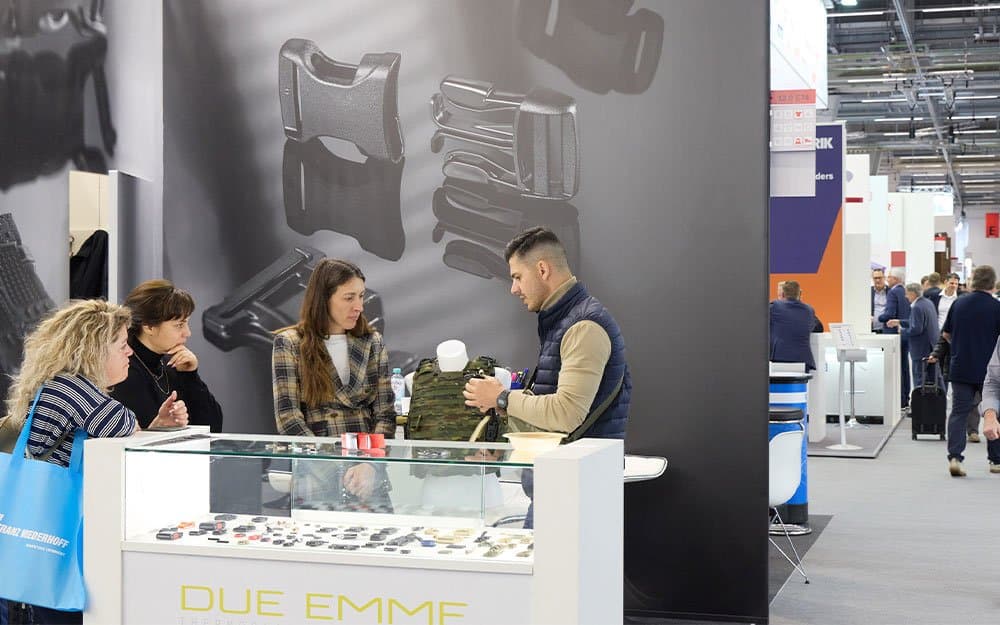
The numbers are difficult to argue with. EU defence spending reached a record €381 billion in 2025, and the European Defence Fund's 2026 Work Programme has formally identified "smart and multifunctional textiles" as a dedicated priority area. When Frankfurt's Messe opens its doors for Techtextil and Texprocess from April 21 to 24, the trade show floor will function less like an industry preview and more like a supply-chain argument: that the protective performance once confined to military specification sheets is technically and industrially ready to move into the wider workwear market.
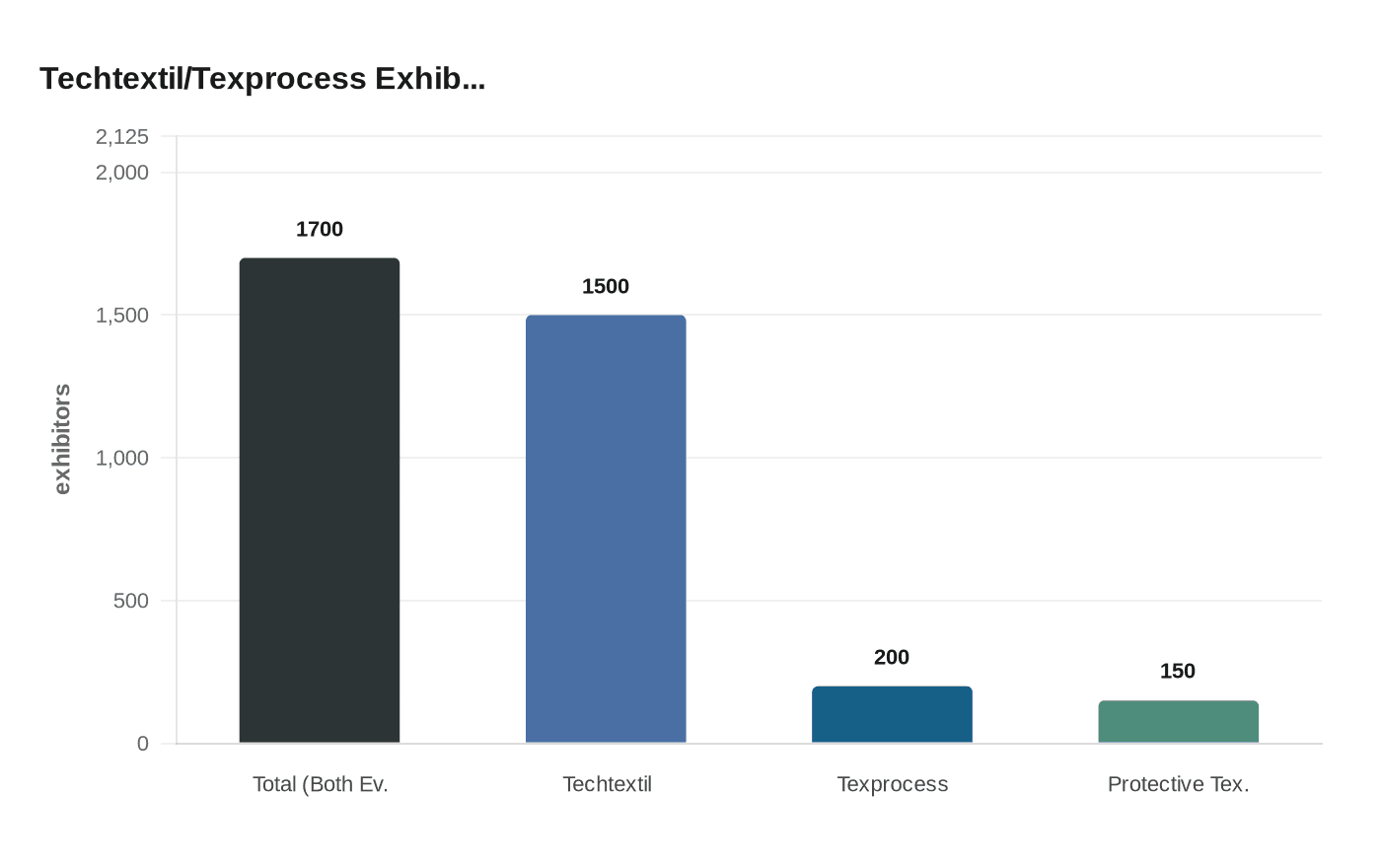
More than 1,700 exhibitors are expected across both events, with Techtextil alone drawing over 1,500. Of those, more than 150 are specialists in protective textiles, representing over 10 percent of the show floor. Their brief spans ballistic protection, flame resistance, and CBRN applications — the same categories now being scrutinised by procurement offices across Europe's rearming forces, and increasingly, by industrial and corporate uniform buyers who follow defence innovation into commercial use.
The translation problem has always been the same: lab-grade protection at the cost of wearability. That gap is closing. Lenzing Group will present inherently flame-retardant cellulose fibres that embed heat and flame protection directly at the fibre level, bypassing post-applied chemical finishes entirely. The distinction carries real regulatory weight. As PFAS restrictions tighten across the EU, squeezing out the fluorinated compounds long used for water and oil repellency, manufacturers who built protection into the fibre rather than onto it face significantly less disruption. HS Hyosung Advanced Materials brings high-performance yarns spun from synthetic polymers, rounding out a material palette that runs from naturals to engineering-grade synthetics. The structural connective tissue of any protective garment — narrow textiles, webbings, load-bearing knitted constructions — will be covered by specialists Güth & Wolf GmbH, JUMBO-Textil GmbH & Co. KG, and Otto Stockmayer & Sohn GmbH. Texprocess, occupying Hall 8.0 with around 200 exhibitors, closes the loop on processing and finishing technologies.
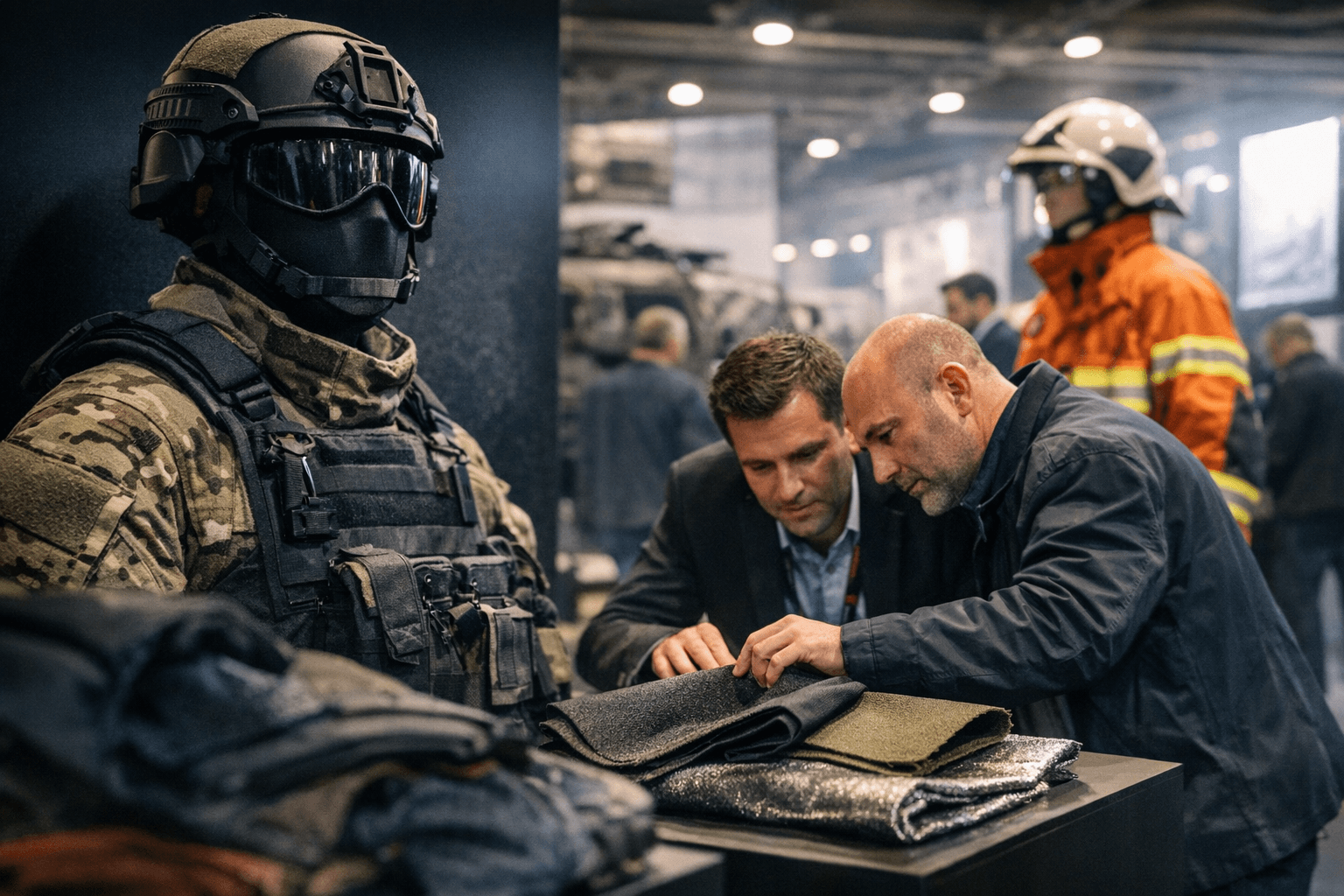
"Requirements for protective fabrics are becoming increasingly similar across many fields of application: low weight, high durability, thermal comfort, and reproducible processing," says Lotje Oosterlinck. That convergence is the show's central argument. The specification that makes a jacket viable for a utilities engineer working in a high-voltage substation now overlaps substantially with what defence procurement demands of field-issue gear.
The Techtextil Forum sharpens that point with sessions on "Textile Intelligence" and "Resilient Textiles," including contributions from NASA specialists. Dr. Heike Illing-Günther, Managing Director of the Saxon Textile Research Institute, frames the industrial stakes precisely: "In protective textiles, market relevance is not determined by a new fibre or finish alone. Particularly in demanding applications, testability, reproducibility and the reliable transfer into industrial processes are becoming the true benchmarks of innovation."
That last point is the one workwear brands should take most seriously. A fabric that passes arc-flash or ballistic certification but cannot be reproduced consistently at commercial volumes is a prototype, not a product. Frankfurt, across four days and 1,700 exhibitors, is making the case that the distance between those two things has never been shorter.
Know something we missed? Have a correction or additional information?
Submit a Tip