HBX Spotlights Maison Mihara Yasuhiro’s Deconstructed Take on Workwear
Maison Mihara Yasuhiro turns military basics into warped, wearable concepts, and HBX’s 58-piece edit shows exactly where utility stops and idea-driven fashion starts.

Workwear, but bent
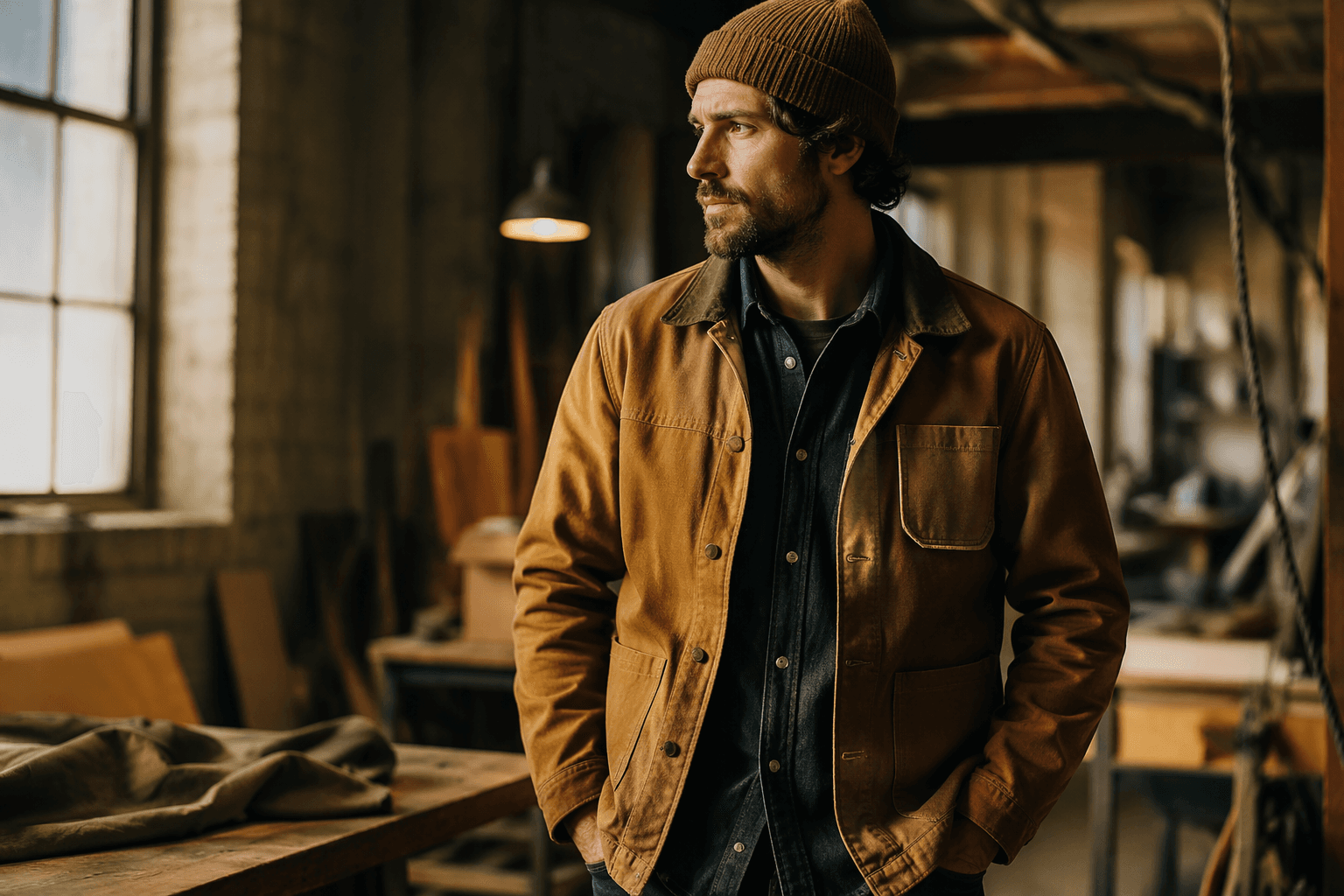
HBX’s Maison Mihara Yasuhiro edit does not sell hard utility so much as it sells the memory of utility after it has been warped. The 58-item lineup moves from a sun-faded military jacket to a track-jacket-and-parka hybrid, then into combined pants, layered outerwear, and accessories, all of it cut with that Mihara tension between familiar and off-kilter. The result feels less like a workwear rack and more like a styling system, one that knows exactly how to make a uniform look unstable.
The details matter here. A Vintage Like Check Shirt and Sun Faded Like Knit Sweater keep the surface language of everyday clothes, but the finish is washed, aged, and slightly detached from reality. The DOLLS T-REX Mini Bag and Shoulder Bag push the same idea into accessories, turning the edit into a full character build rather than a simple clothing drop. That is the real hook: this is workwear as strategy, not just workwear as aesthetic.
Where the utility survives
Mihara’s pieces still carry the bones of uniforms and gear, and that is why they land. The sun-faded military jacket still reads like fieldwear at first glance, with the boxy proportions and weathered surface that make military references feel immediate. The track-jacket-and-parka hybrid keeps the logic of protection and layering intact, but the hybrid construction makes it feel more theatrical than practical.
The combined pants and the Triple Layered Coat work the same way. They borrow from cargo thinking, from outerwear volume, from the idea that clothing can solve a climate problem, then twist those ideas until they become conceptual. The workwear reference survives in the silhouette and the naming, but the execution pushes it into fashion fiction. If you want literal utility, this is already too imaginative. If you want the shape language of utility with more personality and drama, this is where it gets good.
The same instinct runs through the Sun Faded Like Souvenir Bomber Jacket and Combined Cargo Pants. They carry just enough commuter-ready logic to feel grounded, but the distortion keeps them from becoming standard issue. Mihara is not flattening workwear into trend, he is stretching it until it starts telling a different story.
Why Mihara can pull this off
Mihara Yasuhiro’s background explains why these distortions feel credible instead of costume-y. Born in 1972 in Nagasaki, he studied textile design at Tama Art University in Tokyo and taught himself shoemaking there. He launched his first label, Archi Doom, in 1996, renamed it Maison Mihara Yasuhiro in 1997, and branched into ready-to-wear in 1999. The brand started as a shoe label in 1996, and that origin still shapes the clothes.
That shoemaking DNA matters because Mihara has always understood construction as a visual joke and a serious design tool at the same time. The brand is known for deconstructed sneakers and avant-garde menswear, and SSENSE has long framed the label as one that puts playful, out-of-the-box twists on classic menswear staples. In other words, this is not a designer borrowing deconstruction for effect. This is the designer’s native language.
The Spring/Summer 2026 runway makes the point even sharper
The Spring/Summer 2026 menswear collection, themed “Ordinary People,” pushes the workwear conversation further by making combat uniforms and work clothes part of the concept. But the collection does not treat them as sacred objects. Instead, it uses front-back switched garments and four-sleeved coats, jackets, and shirts that can be worn in multiple ways, which is exactly the kind of re-engineering that turns a uniform into something slippery and expressive.
That runway context makes the HBX edit read less like a random curation and more like a clean extension of the brand’s current thinking. The collection is not chasing authenticity in the old-school workwear sense. It is examining the codes of labor, protection, and repetition, then breaking them apart and reassembling them into pieces that can move between styling, art object, and wardrobe.
How to read the pieces before you buy into the fantasy
If you are deciding whether these clothes function as wardrobe pieces, collector fashion, or statement styling tools, the answer changes by item.
- Wardrobe piece: the Vintage Like Check Shirt, Sun Faded Like Knit Sweater, and Sun Faded Like Military Jacket are the most usable entries. They still carry the familiar shapes and could slide into a normal rotation, especially if the rest of the outfit stays simple.
- Collector fashion: the Triple Layered Coat, Reversible Hoodie Layered Souvenir Jacket, and the more aggressively combined pants belong here. These are the pieces that reward close looking, not just everyday wear. The appeal is in the construction, the stacking, and the way they refuse to look settled.
- Statement styling tools: the track-jacket-and-parka hybrid and the DOLLS T-REX Mini Bag and Shoulder Bag are built to shift the whole read of an outfit. They are less about pure function and more about giving even a plain base layer a point of view.
That is why this edit stands out in a crowded utility market. Maison Mihara Yasuhiro is not competing with purist workwear labels on durability or heritage authenticity. It is operating in a different lane, where military references, cargo ideas, and layered outerwear become raw material for distortion. The clothes still know where they came from, but they are much more interested in what happens after the uniform gets taken apart and rebuilt with a sharper imagination.
The HBX lineup shows the label at its best: part utility, part provocation, and fully committed to making workwear feel like something you collect, style, and keep looking at long after the outfit is on.
This article was produced by Prism’s automated news system from verified source data, official records, and press releases, then run through automated quality and moderation checks before publishing. The system is built and supervised by the people who set the standards it runs under. Read our full AI policy.
Did this article answer your question?