HBX spotlights SUGARHILL’s rugged Japanese take on American workwear
SUGARHILL takes American workwear and gives it Tokyo bite, turning double-knees and painter pants into pieces that feel broken-in, sharper, and far less obvious.
HBX’s SUGARHILL edit is not basic workwear, and that is the point
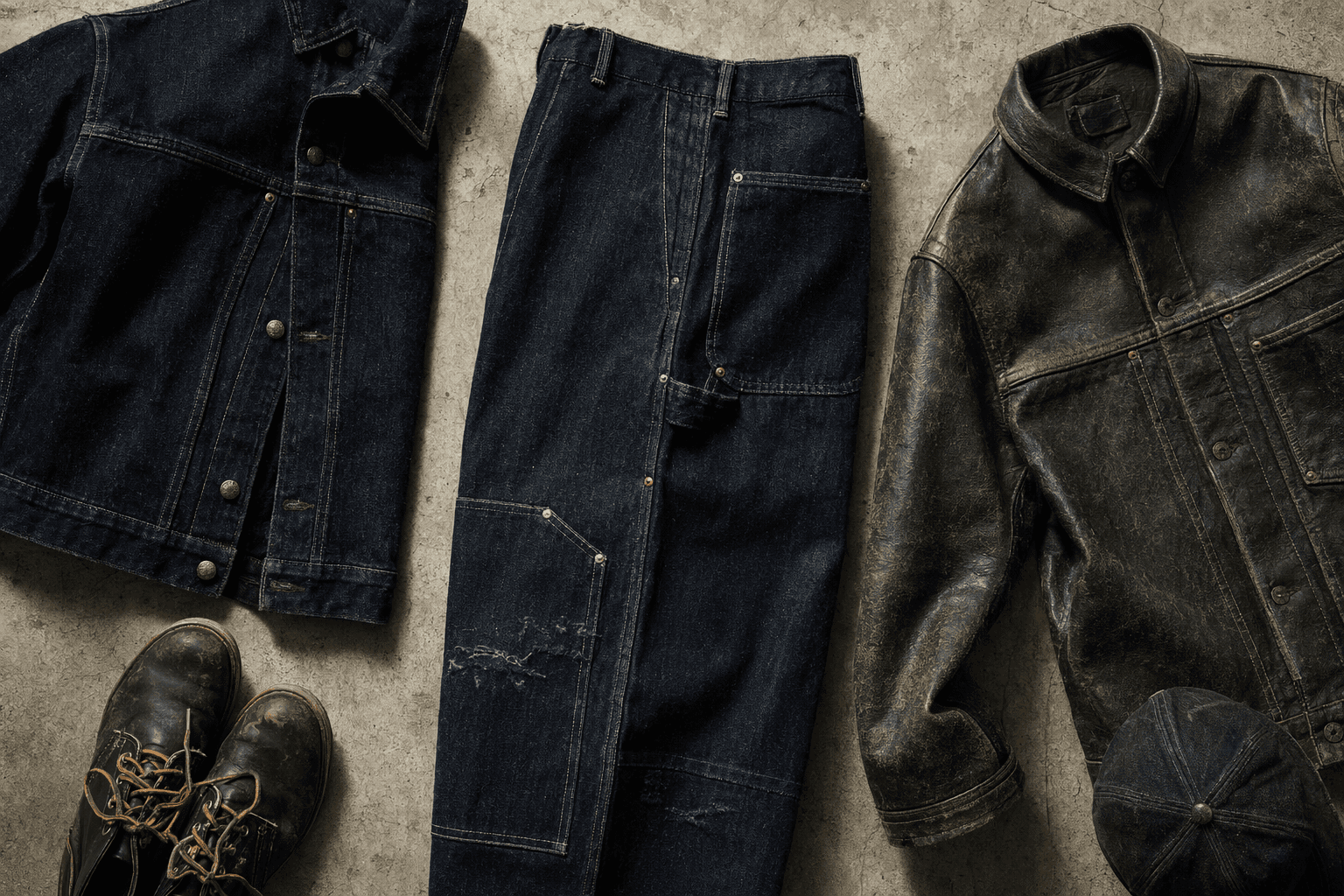
SUGARHILL is what happens when American workwear gets filtered through Tokyo taste and comes out with more attitude, better fabric, and a lot more long-game appeal. The HBX lineup leans into the brand’s sweet spot: distressed denim, painter pants, double-knee bottoms, cargo pants, and chore-style layers that already look lived-in, but still feel precise enough to wear now. The hook is simple: these are staples built to age, not pieces that peak the day you buy them.
That matters because so much heritage workwear today plays it safe. SUGARHILL does the opposite. The brand turns familiar silhouettes into something rougher and more directional, using Japanese craftsmanship, original textiles, and pattern choices that give the clothes a sharper profile than standard Americana ever gets. If your idea of workwear starts and ends with stiff duck canvas and a flat indigo rinse, this is the upgrade path.
The cross-Pacific story is the whole flex
SUGARHILL was founded in Tokyo in 2016 by Rikuya Hayashi, and the name itself is a clue. He named the brand after the New York neighborhood where he lived while studying at FIT, which gives the label a built-in transatlantic tension: Tokyo construction, New York memory, American workwear DNA. That tension is exactly why the clothes land. They are not trying to look like vintage museum pieces, and they are not trying to cosplay streetwear either.
Hayashi’s background explains the range. Born in Tokyo in 1995, he studied at Bunka Gakuen University, coconogacco, FIT in New York, and later Musashino Art University. Rakuten Fashion Week TOKYO notes that he started SUGARHILL while still a university student, and that he received the TOKYO FASHION AWARD 2022 at 26. That is not just a neat biography detail. It tells you the brand was built by someone who came up through fashion’s most design-heavy systems, then chose to spend that training on rougher clothes.
What makes the pieces feel premium instead of predictable
The difference starts with material intelligence. SUGARHILL is known for original textiles developed in collaboration with factories in Japan, and that is where the brand separates itself from the usual double-knee-and-go crowd. When a workwear label actually develops its own fabric language, the result is usually less generic shine, less cardboard stiffness, and more texture that changes as you wear it.
The other big move is distressing. SUGARHILL’s denim does not just look broken in for the sake of it. It is treated so the surface already has depth, like the garment has been through a few seasons of hard use without tipping into costume. That is a smarter approach than overclean raw denim or artificial distressing that looks sprayed on. The clothes feel meant to evolve, and that gives them more credibility when you wear them with beat-up sneakers, loafers, or boots.
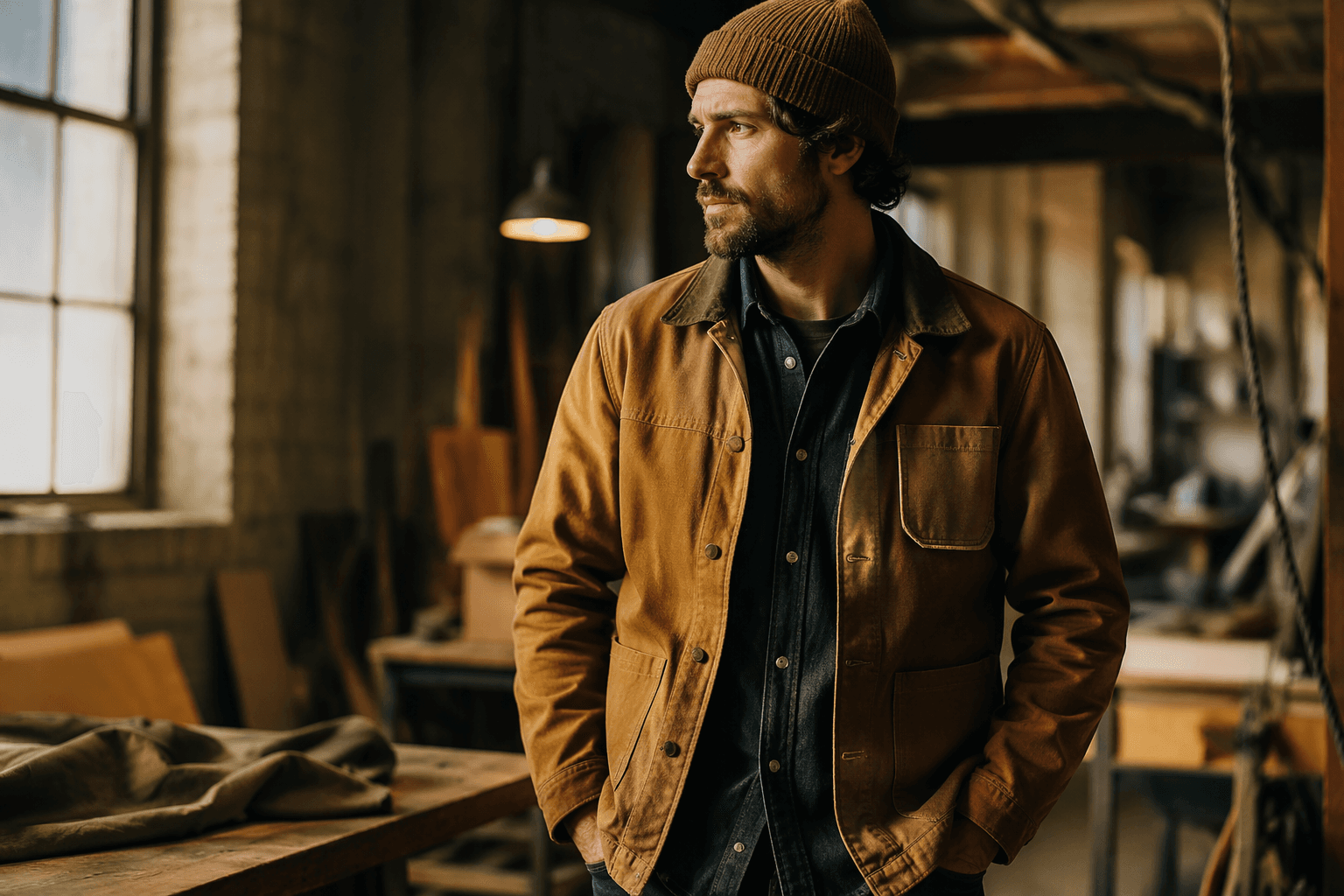
Then there is pattern. The brand’s workwear shapes are familiar, but the proportions feel cleaner and slightly more destabilized than standard heritage reproductions. Chore jackets sit like they have been trimmed down just enough to look modern. Painter pants and cargo pants carry utility, but not clunk. Double-knees read as practical, yet polished enough to sit in the same closet as elevated denim, not just boot-cut throwbacks. That balance is why the collection feels directional instead of nostalgic.
How to decode the HBX selection
HBX’s SUGARHILL selection spans the brand’s core vocabulary, from distressed modern denim to modern denim painter pants, classic double-knee denim pants, cargo pants, and workwear-influenced jackets. The spread is useful because it shows the label is not a one-note denim story. It is building an entire wardrobe around workwear structure, then pushing each category just far enough to feel current.
The price range, from about $140 to $980, tells you where SUGARHILL sits in the market. Entry pieces are still accessible enough to slot into a streetwear rotation, but the higher end moves into premium craft territory fast. That spread is a smart signal for shoppers: you are not paying only for a logo, you are paying for textile development, Japanese production context, and the kind of design decisions that keep these pieces from reading like mass-market heritage cosplay.
Here is the quick decode if you are trying to shop the edit with intent:
- Distressed denim: look for surface character, not just wash. SUGARHILL’s appeal is that the jeans already have depth, so they work with plain tees, boxy knits, and scuffed footwear.
- Painter pants: the utility details matter most when the fit stays clean. If the silhouette is too baggy, the look drifts sloppy; if it is sharp, the pants become the focal point.
- Double-knees: this is the most obvious workwear reference in the range, but the brand’s version feels more fashion-forward when the denim treatment and shape are slightly refined.
- Chore jackets: these are the easiest layering pieces in the lineup. Wear them over a white tee, a hoodie, or a slim knit and let the structure do the work.
- Cargo pants: keep everything else simple. The pants already bring volume and utility, so the styling should stay lean and intentional.
Why this brand keeps landing with people who know clothes
SUGARHILL has always been about reconstructing rough and sharp elements into a refined form, and that description fits the clothes better than any hype slogan could. ACRMTSM describes the brand as a unisex label grounded in military and workwear, and that framing makes sense: the appeal is not softness, it is control. These pieces are rugged, but they are edited. They have grit, but they are not messy.
That is also why the label feels more convincing than brands that simply slap distressing onto a familiar silhouette and call it depth. SUGARHILL builds from the inside out, using Japanese factories, custom textiles, and silhouettes that understand American workwear without copying it line for line. The result is clothing that can take a beating and still look thought through.
The styling move that makes SUGARHILL click
The best way to wear SUGARHILL is to let the clothes keep their edge without overexplaining them. Pair the distressed denim with a washed-out tee and a sharp jacket. Let the painter pants sit under a clean overshirt or a cropped knit. Treat the chore jacket like a bridge between streetwear and workwear, because that is what it is. The brand looks strongest when the rest of the outfit is restrained enough to let the texture, distressing, and pattern do the talking.
That is the real draw here: SUGARHILL makes workwear feel less like archive dressing and more like a lived-in code you can actually use. The pieces are sturdy, strange, and just polished enough to feel expensive without losing the dirt under their nails. In a market full of heritage imitators, that is the difference between looking dressed and looking understood.
This article was produced by Prism’s automated news system from verified source data, official records, and press releases, then run through automated quality and moderation checks before publishing. The system is built and supervised by the people who set the standards it runs under. Read our full AI policy.
Did this article answer your question?