Lee buyer should revive workwear heritage, not just monetize the name
Lee still has the right bones: Union-Alls, denim, and global reach. The next owner should sharpen that workwear backbone, not blur it into lifestyle fluff.

Start with the garment that made the name
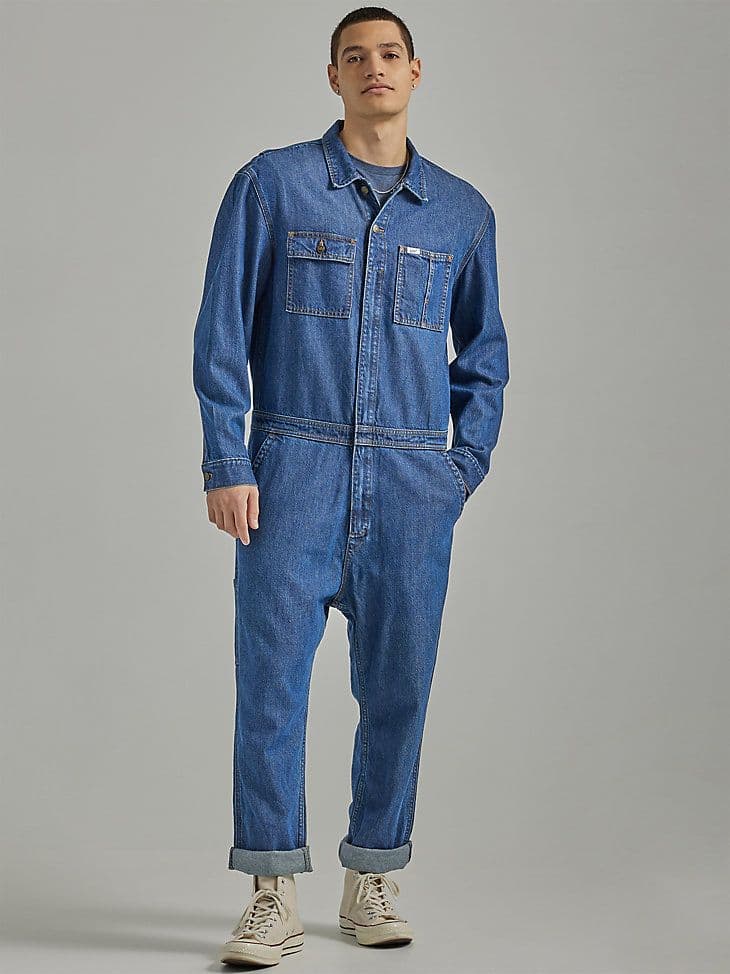
The smartest way to rebuild Lee is to begin with the Union-Alls, not with a logo refresh. Introduced in 1913, Lee calls the one-piece coverall the world’s first “one-and-done” workwear coverall, and that is the sort of origin story a brand can actually wear again. It was built for mechanics and factory workers, which means the brand’s most compelling language has always been practical, visual and easy to understand.
That clarity matters now because Lee’s identity has become muddier over time, even as the company has piled up collaborations and campaign noise. The next owner does not need to invent a new personality for Lee. It needs to strip the brand back to the clothes that made it matter in the first place: coveralls, work pants, denim layers, and the kind of silhouettes that look right with grease, dust and repetition built into the fabric.
Lee still has reach, which is why this is not a rescue job
Lee is not a forgotten regional label. Kontoor Brands says the brand is sold in more than 100 countries and has 900-plus branded retail locations, which gives it a scale most heritage workwear names would envy. Lee also sits inside a larger portfolio with Wrangler and Helly Hansen, after Kontoor was spun off from VF Corporation in 2019. That corporate context makes the current divestiture more than a financial reset. It is a chance to decide whether Lee stays a broad name on a shelf or becomes a sharper proposition with a point of view.
Kontoor said in May 2026 that it had initiated a competitive process to divest Lee and expected a definitive agreement in 2026. WWD reported that Authentic Brands Group had emerged as a leading contender in exclusive talks, and Kontoor CEO Scott Baxter said Lee was positioned to return to revenue growth in the second half of 2026. That is a useful reminder: this is not a dead brand. It is a brand with enough recognition to be valuable, but not enough definition to survive on recognition alone.
The buyer’s job is to protect the workwear spine
If Lee is going to feel culturally relevant again, the answer is not to chase generic lifestyle breadth. It is to make the workwear DNA unmistakable. That means the best heritage assets are the most functional ones: fit, fabric, archive styles, factory credibility and collaborations that make the work visible rather than decorative.
A serious buyer should treat Lee’s archive like a toolbox, not a museum display. The point is not nostalgia for its own sake. The point is to turn historical proof into modern desire, so the next customer can see exactly why Lee still deserves space in a closet that already has plenty of denim.
Fits that still read as work
Lee’s most useful silhouettes are the ones with structural authority. Workwear customers respond to clothes that look engineered rather than styled, with room in the shoulder, ease through the leg and enough volume to layer without losing shape. That is where Lee can separate itself from fashion denim brands that borrow workwear cues without committing to the function.
The company’s archive already gives it a starting point. The 1913 Union-Alls established the language, and the women’s reissue collection that replicated first-edition garments for women, first issued in February 1947 and reissued in November 2019, shows there is still power in precise archival form. The lesson is simple: keep the proportions honest, and let the cut do the talking.
Fabrics should feel built for the job
A workwear revival needs textiles with heft, texture and abrasion resistance, not soft-focus lifestyle fabric that looks better in campaign photography than in motion. Lee’s history begins with manufacturing workwear in 1912, so the fabric story should always feel tied to utility first and polish second. The best expression of the brand should have weight in the hand and structure on the body.
That does not mean the clothes need to feel stiff or old-fashioned. It means the buyer should favor materials that carry visual density, the kind that crease well, age well and keep their shape. Workwear buyers understand that quality shows up in wear, and Lee should look like it expects to be worn hard.
Archive reissues should be selective, not endless
Lee has already shown it can use its archive without turning into a costume shop. The women’s reissue collection proved that first-edition garments can still feel sharp when they are presented with discipline. The danger is overusing archive references until they become wallpaper. Too much retro styling turns heritage into a mood board.
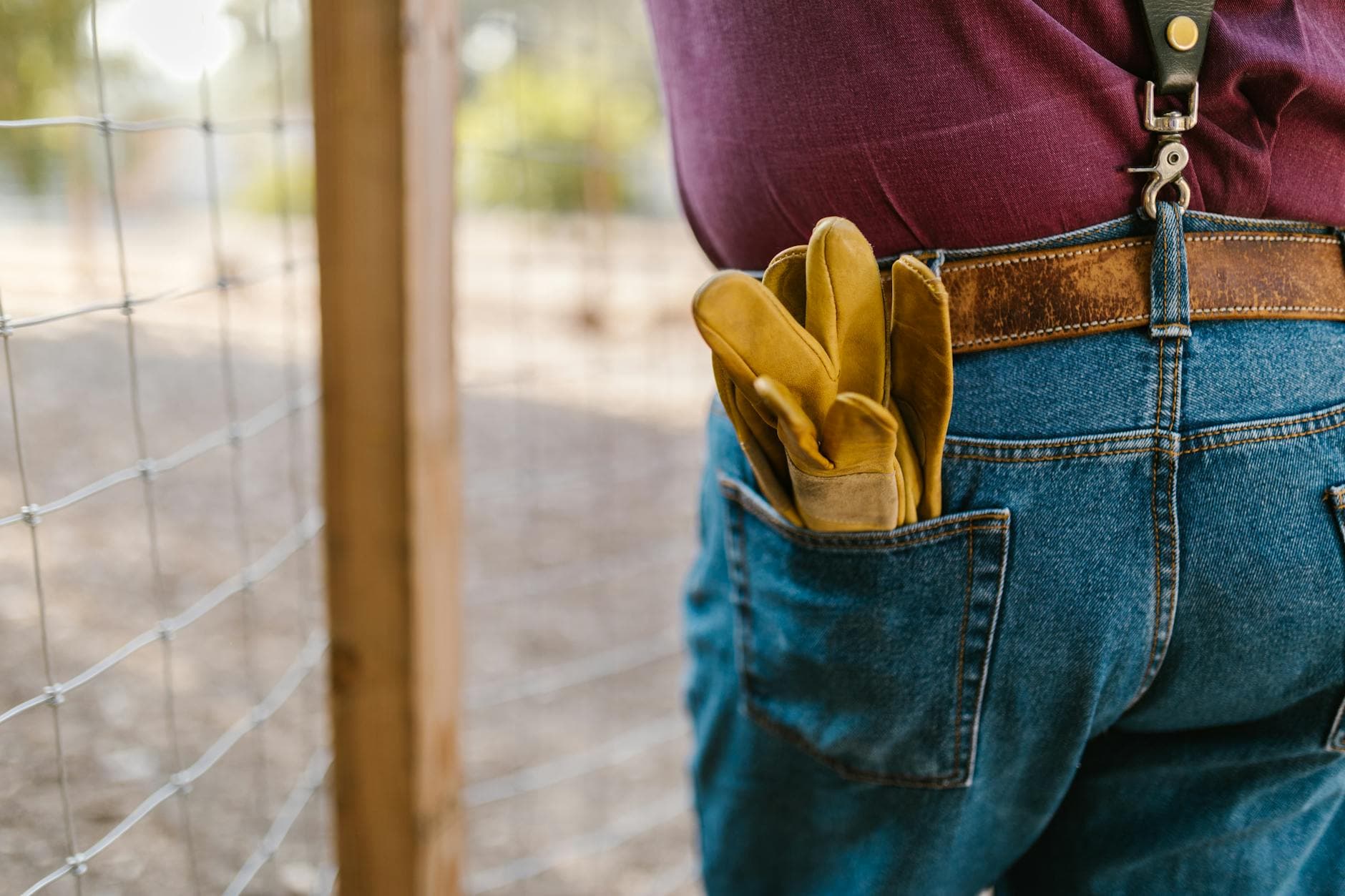
What works better is a tight edit. A few signature reissues, clearly dated and clearly explained, can reinforce authority far more effectively than a broad sweep of throwback product. The archive should supply the proof, then step back and let the clothes earn their place in the present.
Collaboration should deepen the code, not dilute it
Lee’s recent collaborations point in the right direction when they stay close to the brand’s visual grammar. The August 2025 Lee x Crayola collaboration used retired Crayola colors with Lee’s iconic workwear silhouettes, which is a smart idea because it keeps the workwear shape intact while giving the palette a fresh hook. That is the difference between a useful collaboration and a random logo exercise.
The September 2025 “Built Like Lee” global equity campaign moved in a similar direction by reconnecting the brand with its denim heritage and “can-do optimism.” That phrase works because it sounds like a worker’s attitude, not a marketing slogan. The strongest partners for Lee will be the ones that respect the brand’s bones and help sharpen them, not bury them under cultural borrowing.
What to skip if the goal is credibility
A Lee buyer should resist the temptation to stretch the brand into a vague lifestyle umbrella. Broadening the assortment may look like growth, but it often reads as confusion when a heritage label loses the code that made it recognizable. The brand does not need to become everything to everyone. It needs to become the clearest answer in workwear.
The old mistake is assuming that heritage can be monetized without being maintained. Lee’s scale, its 135-year history and its global retail footprint are valuable only if the brand still stands for something specific. In workwear, specificity is the luxury. A buyer that understands that will not just preserve Lee’s name. It will make the name mean something again.
This article was produced by Prism’s automated news system from verified source data, official records, and press releases, then run through automated quality and moderation checks before publishing. The system is built and supervised by the people who set the standards it runs under. Read our full AI policy.
Did this article answer your question?