Levi’s Revives Workwear Heritage with Lighter Spring 2026 Staples
Levi’s lightens carpenter codes and Hawaiian workwear fabrics into spring staples made for heat, with worn-in finishes and a 1930s plaid reference.
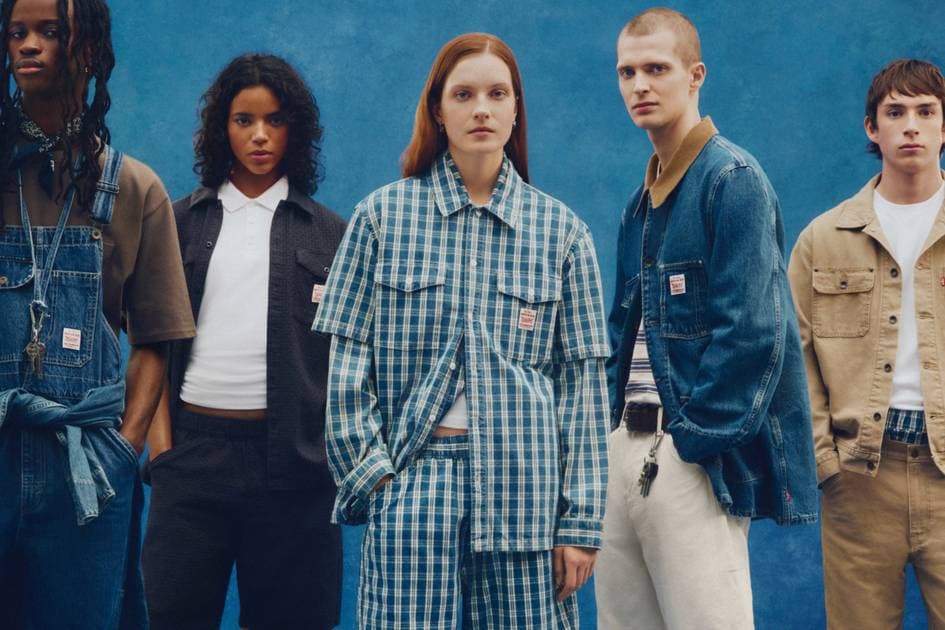
Levi’s is cutting its workwear for heat, not nostalgia. For Spring/Summer 2026, the brand took carpenter references and Hawaiian workwear fabrics and turned them into lighter pieces that feel built for hot commutes, relaxed offices and casual job sites, with worn-in finishes that keep the clothes from reading precious or over-designed.
That matters because workwear is not a side project for Levi Strauss & Co.; it is part of the company’s core identity. Founded in 1873, the American company reported 2024 sales of $6.4 billion, and its broader workwear assortment already spans carpenter pants, chore coats, overalls, coveralls and work shirts. The message is clear: this is not heritage for heritage’s sake, but a product system Levi’s keeps updating to stay useful.
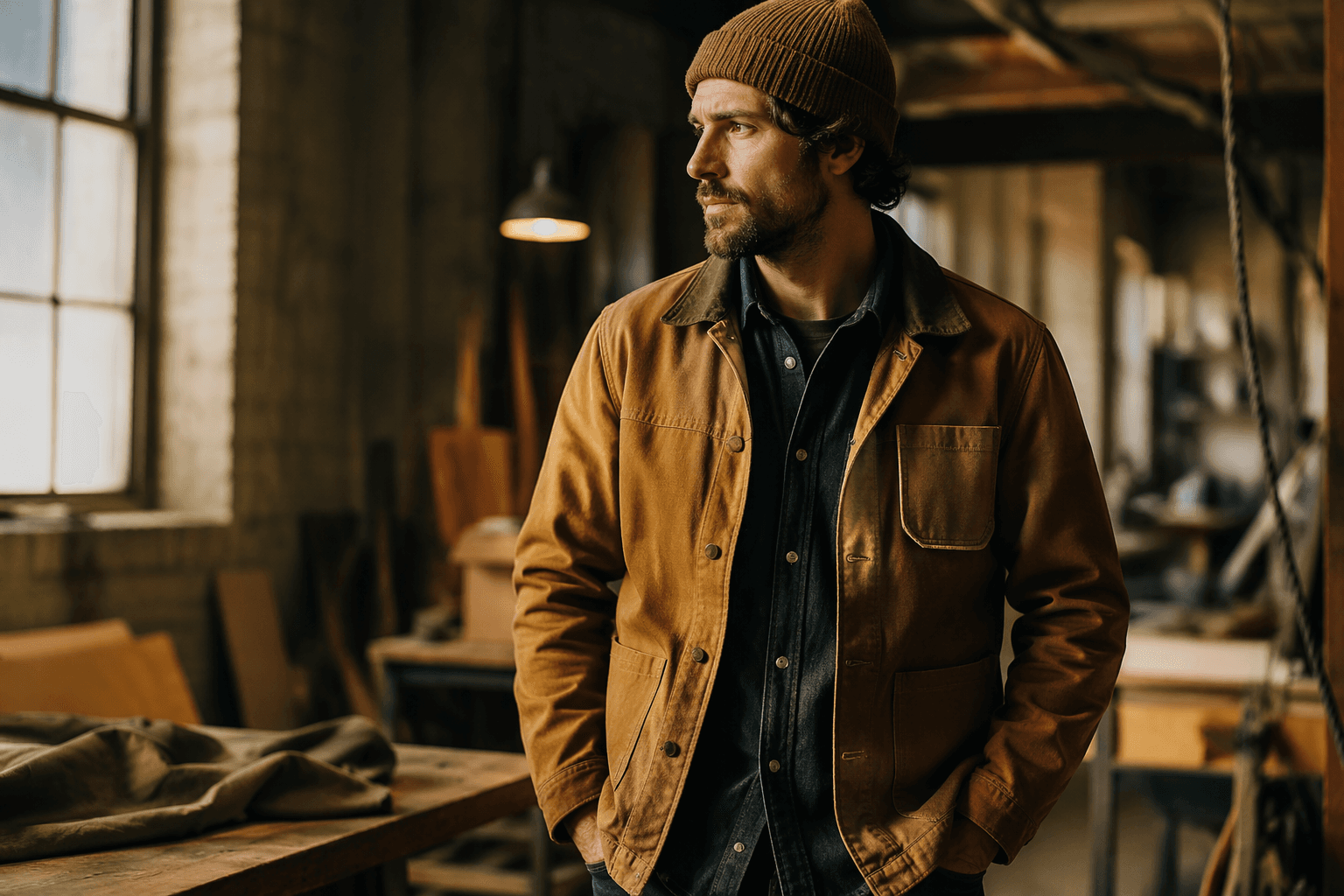
The collection’s smartest move is the way it softens the codes without sanding them down. Lightweight summer fabrications give the familiar silhouettes more range in warm weather, while the lived-in finishes make the pieces look as if they have already earned a place in the rotation. Levi’s has described the line as a modern twist on classic styles, and that is exactly where it lands: practical, recognizable and easier to wear than a stiff archive revival. You can picture the carpenter pant worn with a washed tee and sneakers for a humid train ride, or a chore coat thrown over office trousers when the air-conditioning is set too low.
Levi’s is also mining its archive with specificity, not empty sentiment. One indigo plaid pattern was inspired by a 1930s shacket the design team found in a vintage workwear book, a detail that gives the collection a sharper point of view than a generic spring refresh. The reference connects the brand’s long workwear history to something tactile and readable today, a fabric story that feels grounded in utility rather than novelty.
That balance, between historical fidelity and contemporary adaptation, is what makes the collection distinct. Levi’s knows its audience does not need a museum piece; it needs clothes that can move through summer without losing the clean, functional backbone that made carpenter pants and chore coats icons in the first place.
This article was produced by Prism’s automated news system from verified source data, official records, and press releases, then run through automated quality and moderation checks before publishing. The system is built and supervised by the people who set the standards it runs under. Read our full AI policy.
Did this article answer your question?