LYCRA Launches Antistatic Fiber for Comfortable, Compliant Workwear
LYCRA’s new antistatic fiber brings stretch comfort to workwear where sparks can’t be tolerated, from petrochemicals to electronics. It can help knits meet key safety standards.
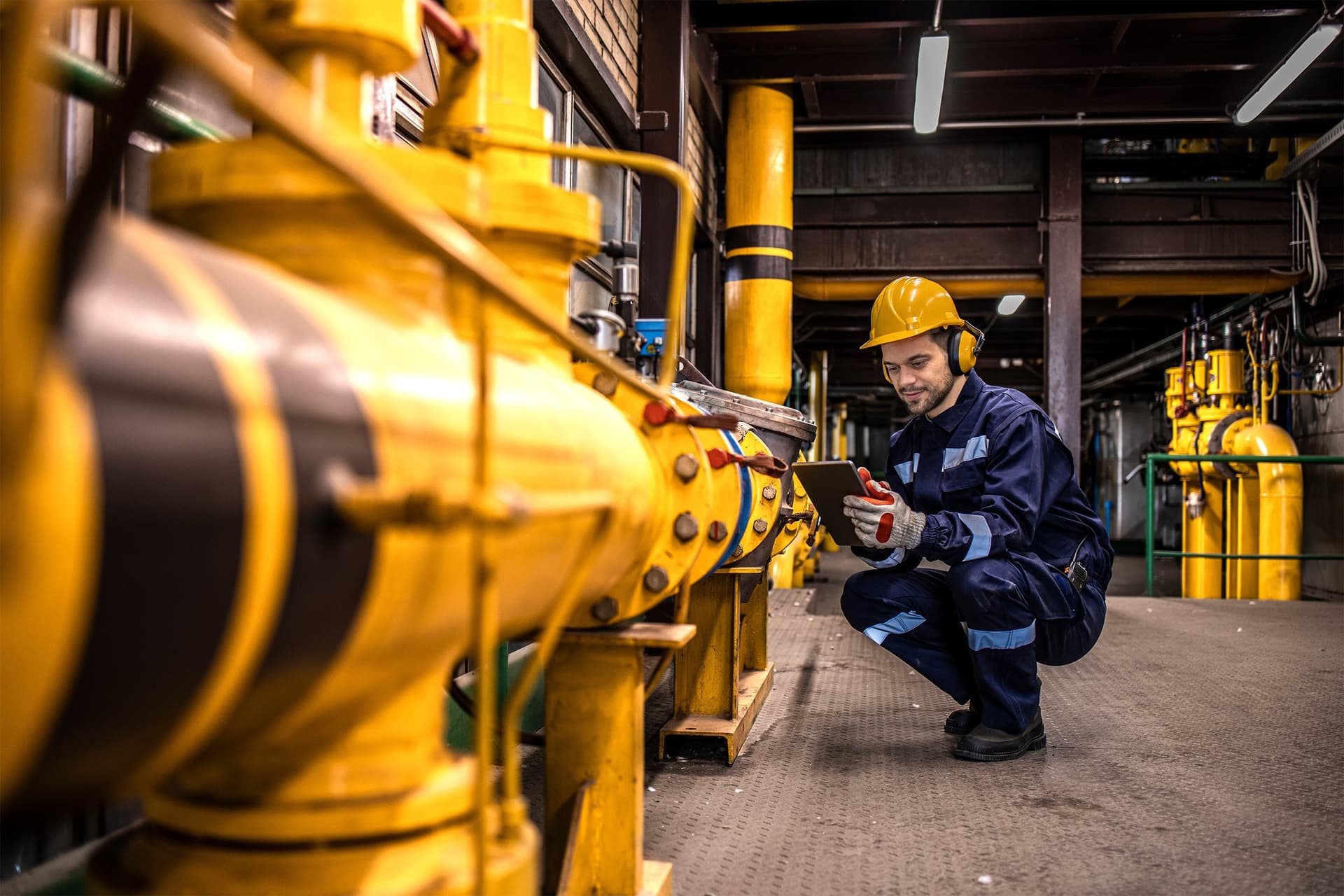
Static control is not an abstract technicality when a uniform is worn in a petrochemical plant, a pharmaceutical clean area or an electronics facility. It is the difference between a garment that simply fits and one that can help protect workers in environments where a stray charge can trigger electrostatic discharge, complicate compliance and turn comfort into a safety issue.
That is the gap The LYCRA Company stepped into at Techtextil 2026 in Frankfurt, Germany, with LYCRA ANTISTATIC fiber for workwear and personal protective equipment. Announced in a press release dated April 20, the launch cast antistatic performance as something more than a box to tick. The company is betting that stretch, recovery and day-long wearability now matter just as much as meeting the standard.
The fiber is engineered with proprietary additives integrated directly into the fiber structure, and LYCRA says it can help knit fabrics qualify for EN 1149, IEC 61340-4-9, ANSI/ESD S20.20 and other antistatic standards. IEC 61340-4-9:2024 sets test methods for measuring the electrical resistance of garments used for static control applications, while EN 1149 remains the familiar benchmark for hazardous-environment clothing in Europe. For buyers, that matters because the product is designed as a drop-in solution, with no processing changes required for knitters.
The company is also making a clear cost argument. LYCRA says the new fiber can replace more expensive carbon and silver fibers in knit workwear fabrics, while offering dtex options of 22, 33, 44, 78 and 117. That range gives mills room to tune the hand and weight of a fabric, whether the end result is a base layer, a stretch panel, a technical polo or a more structured protective knit.

David Capdevila, the company’s product marketing and merchandising manager, said static electricity poses a significant risk across petrochemical, aerospace, pharmaceuticals and electronics, and that the fiber can dissipate static charge, prevent electrostatic discharges and protect workers while preserving stretch comfort. That line captures the shift underway in industrial apparel: compliance is still non-negotiable, but the old trade-off between safety and comfort looks increasingly out of step with how people actually dress for work.
For LYCRA, the move also extends a long-running brand promise. The company says its original LYCRA fiber was invented by Dr. Joseph Shivers in 1958, and this latest launch folds that stretch-first heritage into a much harsher wardrobe category. In workwear and PPE, comfort is no longer a bonus detail. It is part of whether a garment gets worn properly, and whether it earns its place on the floor.
Know something we missed? Have a correction or additional information?
Submit a Tip