Michaela Coel’s spring suiting turns workwear into red-carpet power
Michaela Coel turned press-tour dressing into a sharp workwear lesson, with Ferragamo and Celine proving that strong tailoring can still feel fresh.
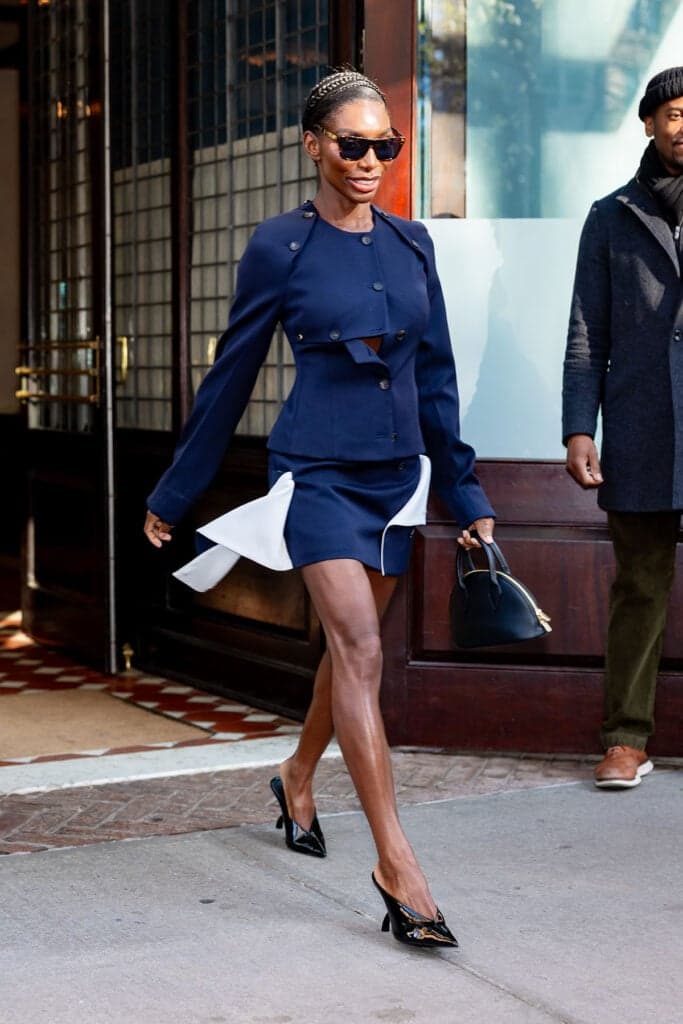
Michaela Coel did not just dress for a press tour, she built a whole wardrobe argument out of it. Across four days in New York, she delivered seven looks while promoting both The Christophers and Mother Mary, and the result was a clean case for why spring suiting is getting looser, sharper, and far more interesting than the usual office uniform.
The new power suit is less corporate, more composed
The best thing about Coel’s run is how little it relied on the tired language of “business dressing.” With The Christophers premiering in New York on April 8, opening in U.S. theaters on April 10, and Mother Mary holding its New York special screening at Metrograph on April 13, the week had enough momentum to turn her wardrobe into a moving storyline. AP described Ian McKellen and Michaela Coel as the leads in Steven Soderbergh’s art comedy The Christophers, and that kind of cultural heat only made the clothes feel more deliberate.
She kept dodging bland press-tour dressing by picking looks that read as character-driven instead of generic. That is the real takeaway here: when the tailoring is strong enough, the outfit does the talking before you do. Coel’s seven looks were not just pretty clothes in motion, they were a reminder that a single actor can now function like a runway-scale fashion narrative.
Why the Ferragamo skirt suit works so well
The clearest office translation in the bunch is the Ferragamo navy wool skirt suit from Maximilian Davis’s Fall/Winter 2026 collection. Ferragamo roots that collection in the 1920s, the decade the house was born, and frames it as a conversation between utilitarian discipline and liberated elegance. That balance lands exactly where modern workwear should: polished, but not stiff.
What makes the suit special is the way it opens up a classic silhouette. The black buttoned paneling and white-lined side panels keep the navy wool from feeling flat or overly corporate, so the suit still has structure but never slips into boardroom cosplay. The line is sharp, the mood is disciplined, but the finishing details make it feel slightly undone, which is exactly why it looks current.
For the office, that matters. A navy skirt suit can look severe fast, but this version shows the trick: keep the base conservative, then introduce one quiet disruption. A contrast panel, a changed line at the side, or buttons placed with intent gives you movement without losing authority. That is how you make a suit feel like fashion and not just policy.
Belted Celine tailoring shows how to wear statement shape without costume
The Celine look, built around belted peplum tailoring and power shoulders, is the other one that actually translates to real life. It has enough drama to feel fashion-forward, but the proportions do the heavy lifting, not gimmicks or decoration. The belt draws the waist in, the shoulder line broadens the frame, and the peplum adds shape without making the outfit fussy.
This is the kind of tailoring that looks directional because the silhouette is doing something specific. You get volume up top, definition at the middle, and a controlled fall through the body, which means the look reads as strong rather than theatrical. If the Ferragamo suit is the lesson in disciplined understatement, the Celine approach is the lesson in controlled emphasis.
The repeatable styling cue here is simple: keep the statement in the cut, not in a pile of extras. When the shoulder is strong and the waist is belted, the rest of the outfit should stay clean. That is how a look keeps its authority after the camera flashes stop.
Givenchy adds softness, but the structure stays intact
Coel’s workwear-adjacent message did not stop with Ferragamo and Celine. On April 13, she wore a Givenchy by Sarah Burton Fall/Winter 2026 look to the Mother Mary special screening at Metrograph, and the collection’s emphasis on cut, tailoring, silhouette, and women’s strength gave the outfit the right backbone. The standout detail from the look was a pink satin duchesse floral-embroidered cowl-neck draped top, which pushed the mood softer without losing discipline.
That is the clever part of Coel’s styling choices. She is not using tailoring as a cage. She is using it as a frame, then letting texture and shape do the expressive work. In a week full of press appearances, that keeps the wardrobe from turning monotonous.
How to borrow the formula for your own wardrobe
If you want the Coel effect in an actual office, start with one strong tailored piece and stop before it becomes costume. The point is not to recreate the full red-carpet moment, it is to steal the proportions and the tension between polish and edge.
- Choose a navy, charcoal, or black suit with one unexpected detail, like paneling, contrast lining, or a slightly reworked button front.
- Favor structure in one place and ease in another. If the shoulder is strong, keep the trouser or skirt line clean.
- Use a belt to define shape only when the rest of the look is pared back enough to let it breathe.
- Let fabric do some of the work. Wool reads authoritative, satin duchesse reads elevated, and the contrast can keep tailoring from feeling flat.
- Keep accessories disciplined so the silhouette stays the headline.
That is why Coel’s run matters beyond celebrity style: it shows how spring suiting can loosen its tie without losing its nerve. The look that wins now is not the most severe one, but the one that knows exactly where to bend.
This article was produced by Prism’s automated news system from verified source data, official records, and press releases, then run through automated quality and moderation checks before publishing. The system is built and supervised by the people who set the standards it runs under. Read our full AI policy.
Did this article answer your question?