Nigel Cabourn, workwear pioneer and vintage militaria devotee, dies at 76
Nigel Cabourn died on 11 June at 76, leaving behind a 4,000-piece archive and a menswear language built on military jackets, utility cloth and exacting reproduction.

Nigel Cabourn spent more than 50 years turning vintage clothing into a modern menswear code, and the industry kept borrowing from it long after the silhouettes stopped looking niche. His company said he died on 11 June 2026 at 76, closing a run that helped make military surplus, expedition gear and hardwearing workwear feel like the backbone of serious wardrobe building, not just a collector’s obsession.
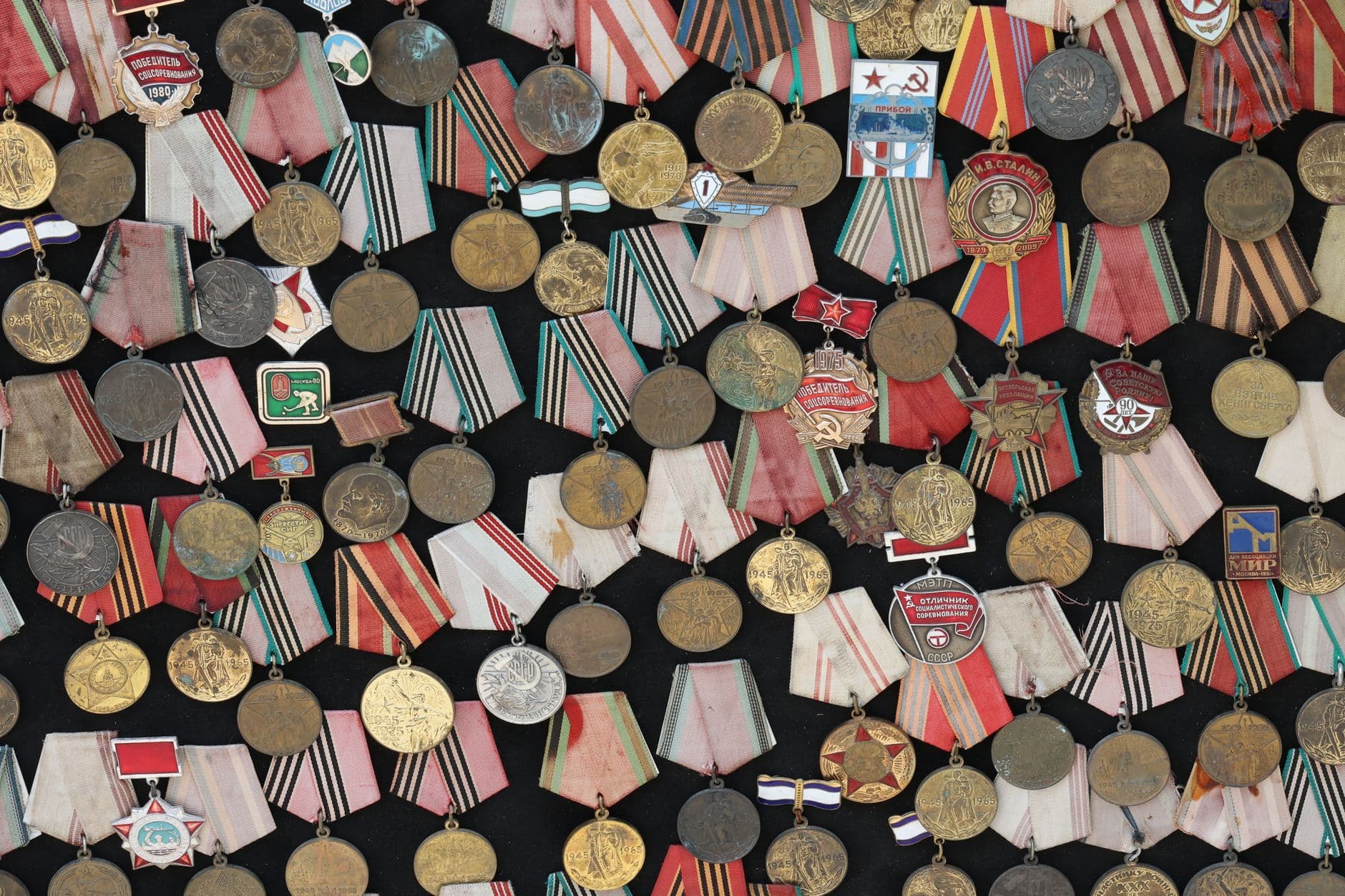
Cabourn’s grip on the category came from specifics, not slogans. His archive held about 4,000 vintage military pieces and, more broadly, more than 4,000 vintage garments spanning 20th-century workwear, U.S. and European military wear and historical expedition gear. He always credited a vintage RAF pilot jacket gifted by Sir Paul Smith in the 1970s with sparking his lifelong interest in reproduction, and that obsession became the brand’s signature: fabric authenticity, historically faithful cuts and functional details that looked lifted from a museum rail rather than invented in a boardroom.
That approach showed up in the clothes that fans actually sought out. The Authentic line included the Everest Parka, Mallory Jacket and Cameraman Jacket, pieces that turned Cabourn’s archive into wearable product rather than moodboard material. Lybro, the British workwear label established in 1927 and later revived by Cabourn, carried the same logic in a more stripped-back register, built as a hardwearing workwear line with heritage fabrics and trims. In a market now crowded with chore coats, field jackets and utility pants, Cabourn’s version always felt more exacting, less trend-chasing and far more committed to the original object.

His reach went well beyond Britain. TheIndustry.fashion said he was especially revered in Japan, where his main line and sub-brands had cult status since the early 1980s, and WWD noted that the brand later built 11 stand-alone stores there with local partner Marubeni. That kind of staying power is rare in menswear, and it came from a designer who could move from craftsmanship to commercial relevance without sanding off the reference points. Cabourn studied fashion design at Northumbria University from 1967 to 1971, founded Cricket Clothing while still a student and in 1985 was named Designer of the Year by Woman magazine for his work with Woodhouse, reportedly the first menswear designer to receive the honor.
His collaborations with Belstaff, Sunspel, Mammut, Yogi, Fred Perry, Aigle, Eddie Bauer, Converse, Filson, Closed and Peak Performance show how deeply his archive-driven method had seeped into the wider market. Plenty of brands now sell heritage utility as a language; Cabourn was one of the people who taught them how to speak it.
This article was produced by Prism’s automated news system from verified source data, official records, and press releases, then run through automated quality and moderation checks before publishing. The system is built and supervised by the people who set the standards it runs under. Read our full AI policy.
Know something we missed? Have a correction or additional information?
Submit a Tip