Relaxed tailoring defines the new office dress code
Relaxed tailoring is now the office uniform: unstructured blazers, softer trousers and polished knits read credible in a hybrid-work world.
The new office uniform
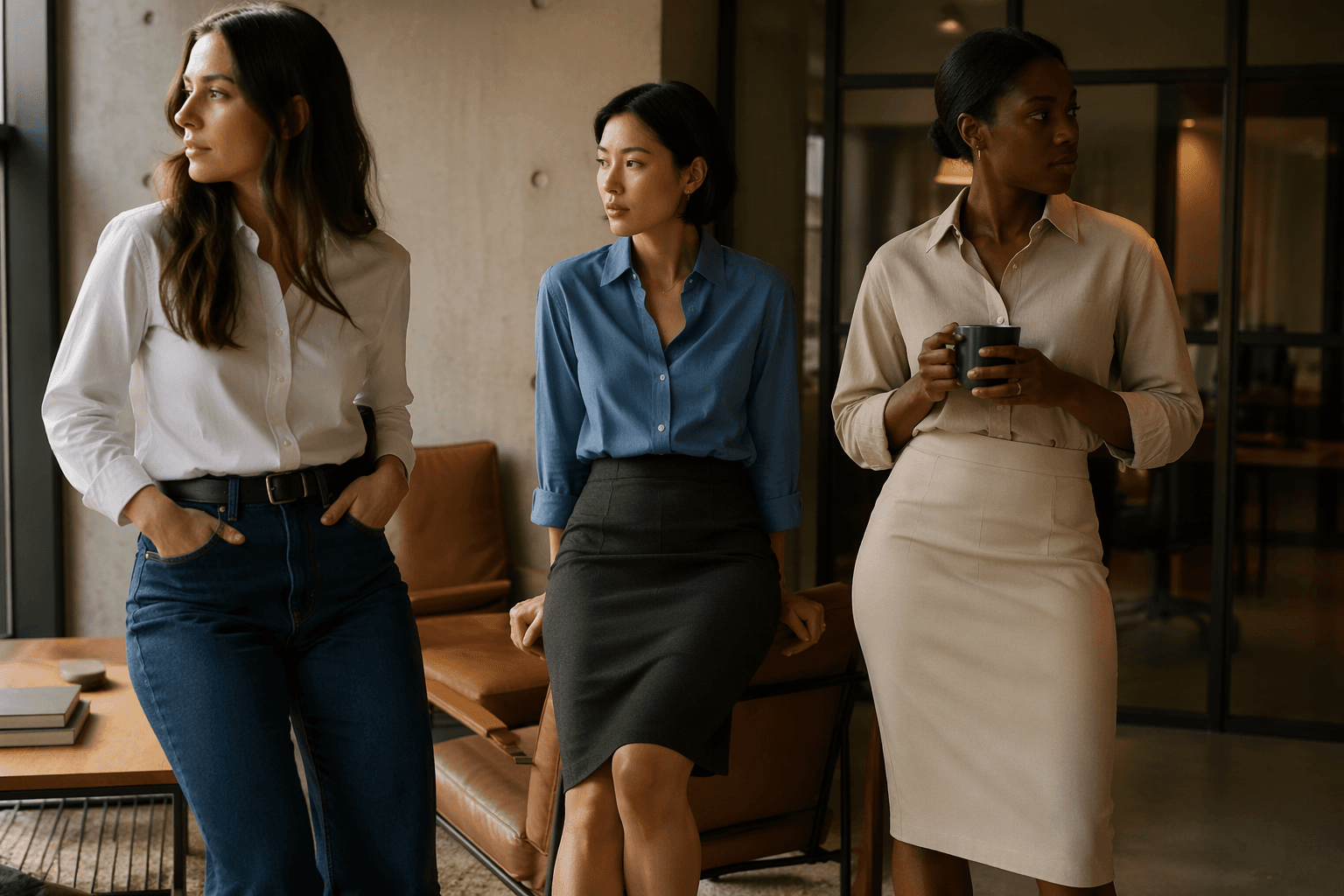
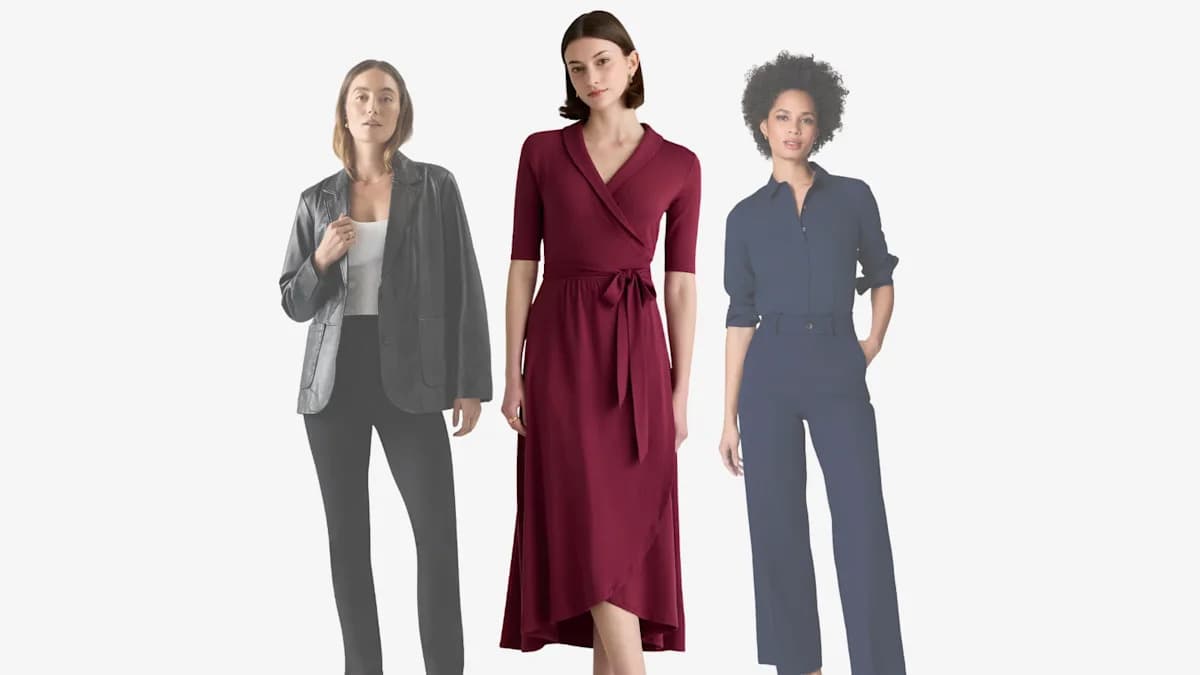
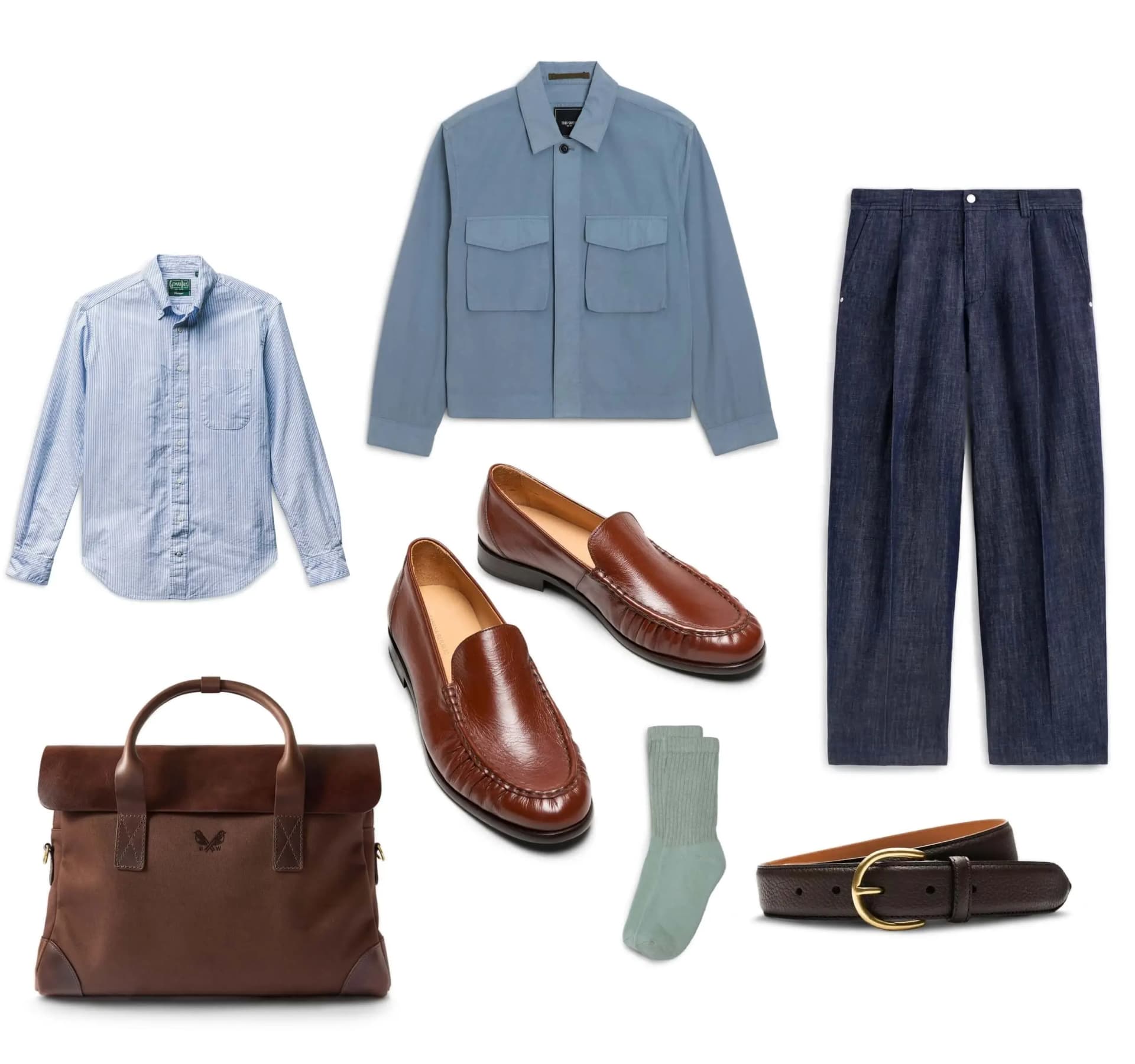
The sharpest office outfits right now do one thing beautifully: they look deliberate without looking armored. Valet’s office-style edit lands on relaxed tailoring that still means business, with unstructured blazers, softer trousers, polished knitwear, and even dark jeans or chinos used to keep the silhouette sharp rather than stiff. The result is not casual dressing. It is a cleaner, calmer version of authority.
That shift makes sense because work itself changed first. Since October 2022, the U.S. Bureau of Labor Statistics has been adding telework questions to the Current Population Survey, and its monthly telework tables now track the most recent month of data on people still working from home for pay. When your week moves between a kitchen table, a conference room, and a commute, clothes have to do more than signal hierarchy. They have to move.
Why the dress code loosened
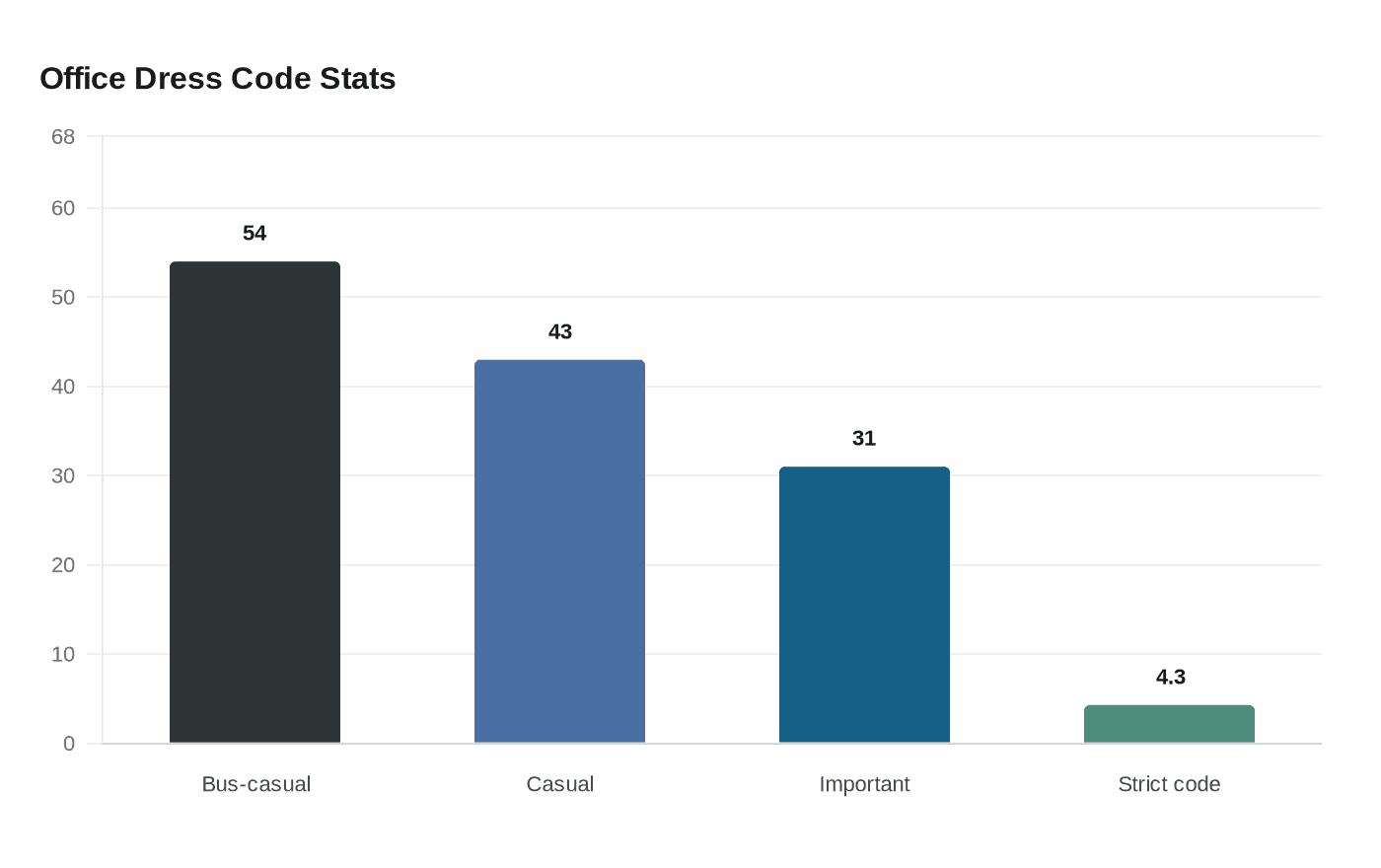
The office dress code did not loosen overnight, but 2024 made the trend impossible to miss. One workplace survey found 54% of employers had a business-casual dress code and 43% had a casual dress code. Another found only 31% of hiring managers said dress-code guidelines were important, down from 49% five years earlier. Even as some companies push back toward in-person routines, the old uniform has clearly lost its grip.
This is part of a much longer unwind. IBM’s decision to relax its restrictive dress code in 1995 remains a landmark moment in the move away from dark suits and ties, and business casual has kept stretching ever since. What began as a challenge to rigid corporate dress has become a hybrid-friendly language of professionalism, with only 4.3% of employers still enforcing a strict dress code. The office has not gone casual. It has gone less literal.
What relaxed tailoring actually looks like
The trick is proportion. A good relaxed blazer should skim the body instead of boxing it in, with enough structure to feel intentional and enough ease to avoid the old corporate armor. The shoulder line should be softer, the lapel should sit cleanly, and the body should fall with a little air around it. That shape reads office because it suggests discipline, not performance.
Trousers carry the same logic. The most convincing pairs taper gently and drape rather than cling, with a hem that lands cleanly and a crease that looks cared for. Chinos do the same work in a slightly less formal register, especially when the fabric is substantial and the finish is neat. This is where the modern office uniform earns its keep: it gives you movement without slouch.
The texture matters as much as the cut. Think brushed wool, matte cotton, crisp twill, and knitwear polished enough to sit under a jacket without bunching. A fine-gauge crewneck, a smooth polo knit, or a sweater with a compact weave all read as professional because they look considered up close. They do not shout. They refine.
- Unstructured blazers work best in midweight wool or cotton blends.
- Dark jeans can still pass in the office when the wash is deep and the finish is clean.
- Polished knitwear keeps the look from tipping into weekend mode.
- Chinos sharpen the outfit when the hem is precise and the line stays tidy.
Why it reads office, not off-duty
The difference between officewear and off-duty dressing is polish, not formality. Off-duty clothes can lean into oversized proportions, distressed denim, heavy logos, and too much ease at once. Office dressing needs at least one anchor of intention, which is why a blazer over knitwear still works so well: the jacket supplies structure while the softer layer underneath keeps the look from feeling severe.
Color plays a bigger role than most people admit. Navy, charcoal, stone, deep brown, ink, and black all make relaxed tailoring feel credible in a professional setting because the palette looks controlled. Dark jeans work for the same reason. They disappear into the outfit instead of announcing themselves, which is exactly what you want when the clothes are meant to support the person wearing them.
The pieces that do the job now
If you are rebuilding a work wardrobe around this shift, start with the pieces that can carry the most situations. A blazer with a soft shoulder will take you from desk to dinner. Tailored trousers with a relaxed line can handle a long day without looking wrinkled or fussy. A fine knit adds polish without the stiffness of a shirt, and dark jeans or chinos bridge the gap when the dress code is loose but still expects competence.
The best part of this new formula is that it matches how people actually work. In offices where hybrid attendance is the norm, and in workplaces where rules are looser than the dress code memo suggests, clothing becomes a visual shortcut. It says you understood the assignment without dressing like the assignment came from 1995. That is why relaxed tailoring feels so current: it respects the office, but it refuses to be trapped by it.
The office uniform has not disappeared. It has softened, and that softness is now the sign of someone who knows exactly how to look credible without looking overdressed.
This article was produced by Prism’s automated news system from verified source data, official records, and press releases, then run through automated quality and moderation checks before publishing. The system is built and supervised by the people who set the standards it runs under. Read our full AI policy.
Did this article answer your question?