Utility Dressing Returns as Spring 2026’s Polished Workwear Trend
Utility dressing has shed its hardhat image. Spring 2026 turns workwear into something sharper, softer, and fully office-ready.

Utility dressing gets polished
The best workwear right now does not look like it just left a job site. It looks pressed, precise, and expensive in that quietly self-assured way that makes a blazer feel a little obvious. Grazia is right to call utility dressing one of spring/summer 2026’s key directions: workwear has moved from surplus to staple, and the new version reads as polished instead of purely practical.
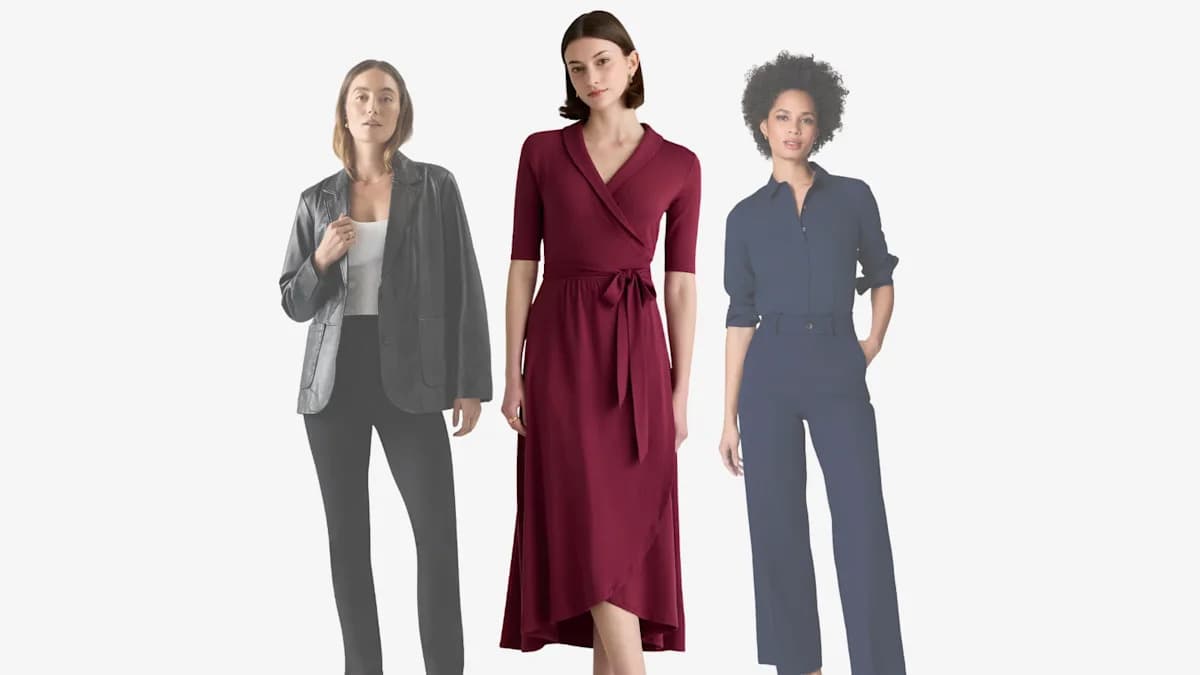
That shift is the whole story. The cargo pocket is still here, the field jacket still has a pulse, but the proportions are cleaner and the fabric hand is softer. Think tailored utility, not full-on costume. A cream co-ord like Ferrari’s lands because it strips the category of grit and replaces it with poise. It feels less like a mechanic’s uniform and more like a uniform for people who know exactly where they are going.
Why 2026 is the turning point
This is not just a runway mood swing. Utility has been building toward office legitimacy for a while, and hybrid work gave it the final push. International Workplace Group said in July 2025 that 53 percent of employees had adopted an unofficial work uniform for office days, and its 2023 study found that 79 percent of U.S. hybrid workers dressed differently because of flexible work environments. That is the real opening for workwear: once the office stopped being a single fixed costume, clothing with structure, ease, and repeat wear suddenly made more sense than stiff business dress.
That change shows up in what people actually want to wear on weekdays. You do not need fashion to explain why a softer overshirt or a refined cargo trouser feels more relevant than a corporate suit. It is because daily life now asks clothes to move between home, commute, meetings, and dinner without making you look like you are trying too hard at any one of them. Utility dressing answers that with fewer declarations and better utility.
The runway version is smarter, not louder
The Spring 2026 runways made the category look less rugged and more strategic. WWD identified utility as a major trend at Prada, Burberry, and Balmain, and that matters because these houses do not treat workwear as novelty. They are translating it into a sharper wardrobe language. Prada’s Spring 2026 review described Miuccia Prada and Raf Simons taking “an agnostic stance” toward occasion, function, and purpose, which is exactly the kind of thinking that lets a practical garment become the most formal thing in the room.
Burberry pushed the same idea into London Fashion Week in September 2025, where its Spring 2026 ready-to-wear collection folded utility into a more polished British register. Miu Miu took the concept down to the shoe level, with Spring 2026 footwear that honed in on workwear. That is the nuance that makes the trend stick: it is not one giant cargo moment. It is a full wardrobe recalibration, from coat to trouser to boot.
What the new utility look actually looks like
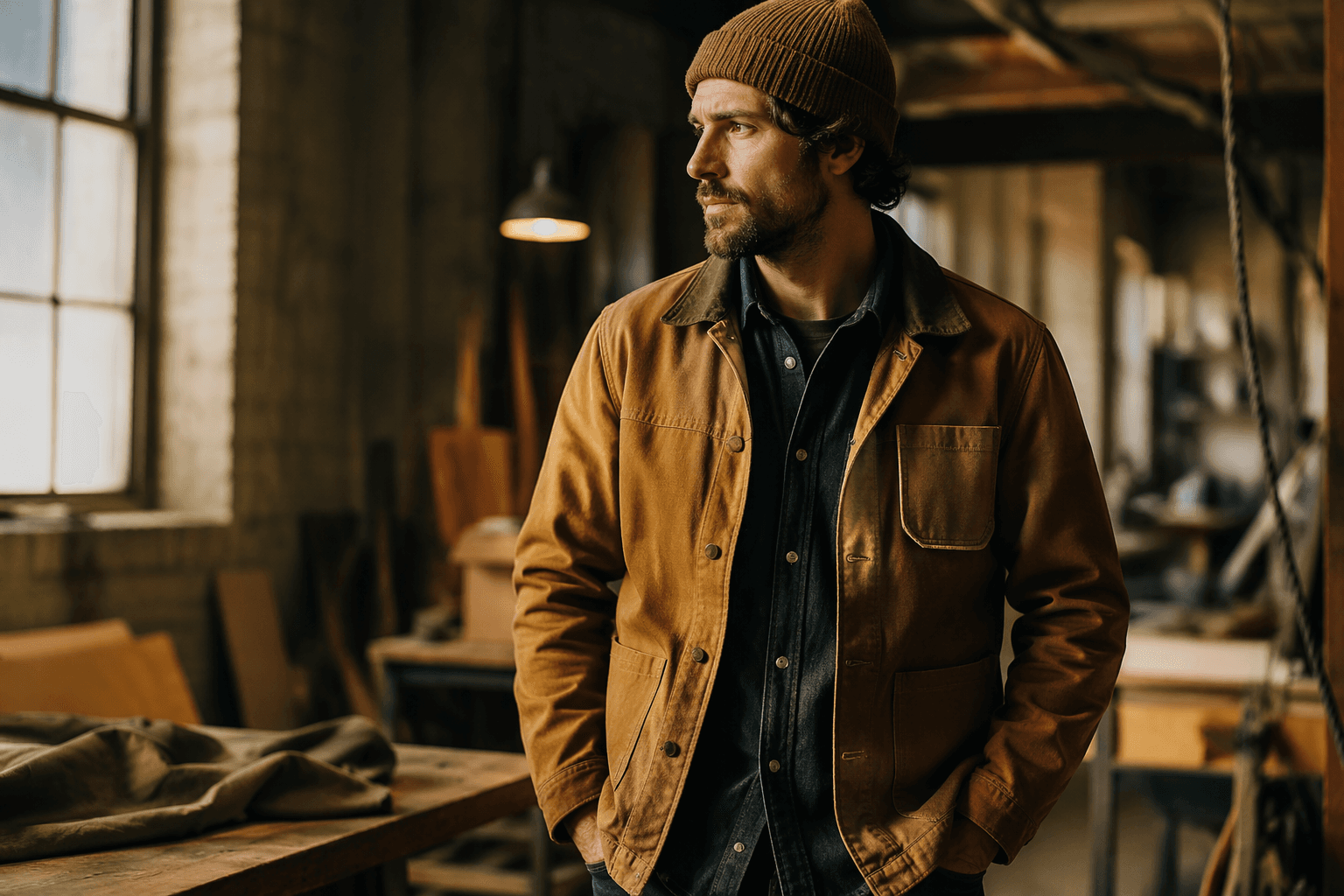
The old workwear formula was obvious: stiff canvas, boxy shapes, heavy hardware, and enough pockets to announce your intentions from across the street. The Spring 2026 version is more edited. The fabrics are softer, the tailoring is cleaner, and the references are used sparingly so the look feels intentional rather than thematic.
Look for these details:
- Cream, stone, and soft khaki instead of hard black or tactical olive
- Relaxed jackets with a shaped shoulder, not a shrunken fit or a giant shell
- Cargo pockets trimmed down and placed with discipline, not slapped on for effect
- Trousers that skim the leg instead of ballooning into the caricature of utility
- Boots and sandals that borrow the sturdiness of work footwear without looking heavy
That is why Ferrari’s cream co-ord worked so well. It translated utility into a clean, almost formal silhouette. The idea is not to look like you are playing dress-up in vintage army surplus. The idea is to borrow the functionality and leave the costume behind.
How to wear it without looking like you raided a prop closet
The quickest way to get utility dressing wrong is to stack every reference at once. You do not need the oversized field jacket, the technical boot, the carpenter trouser, and the canvas bag all in one outfit. That is not style; that is an inventory. The smarter move is to choose one or two signals and let everything else stay quiet.
Start with a tailored work shirt or utility jacket in a soft fabric. Pair it with straight or gently relaxed trousers that feel deliberate, not oversized for the sake of trend. Keep the palette restrained, because the polish comes from control. If you want a nod to the category, use hardware and pocketing lightly, the way Prada and Burberry did on the runway, where the clothes carried the idea without shouting about it.
Footwear is where the look can either sharpen up or collapse into costume. Miu Miu’s workwear-focused shoes show the right direction: practical, sturdy, and clean enough to sit under a smarter outfit. A boot with a trim profile or a simple leather shoe with workwear roots gives the whole thing credibility without over-explaining it.
Why this version of workwear matters now
Workwear has always been a fashion engine. G-Star points out that utility wear has been rooted in practicality for two centuries, and The Metropolitan Museum of Art has long treated American sportswear as a key 20th-century expression of utility in fashion design. That history is the point: utility never disappears, it just gets reauthored for the moment. In 2026, the rewrite is about refinement.
This is the version of workwear that fits modern wardrobes because it respects how people actually dress now. It is durable enough to feel grounded, but polished enough to pass in offices that have quietly loosened their rules. The smartest utility pieces do not scream “work.” They whisper competence, and that is exactly why they look so current.
This article was produced by Prism’s automated news system from verified source data, official records, and press releases, then run through automated quality and moderation checks before publishing. The system is built and supervised by the people who set the standards it runs under. Read our full AI policy.
Did this article answer your question?