Spring Workwear Surges as Relaxed Tailoring and Utility Pieces Sell Out
Chore jackets, carpenter pants and collarless blazers are disappearing first, a sign office dressing now has to bridge Tuesday meetings and Friday home desks.
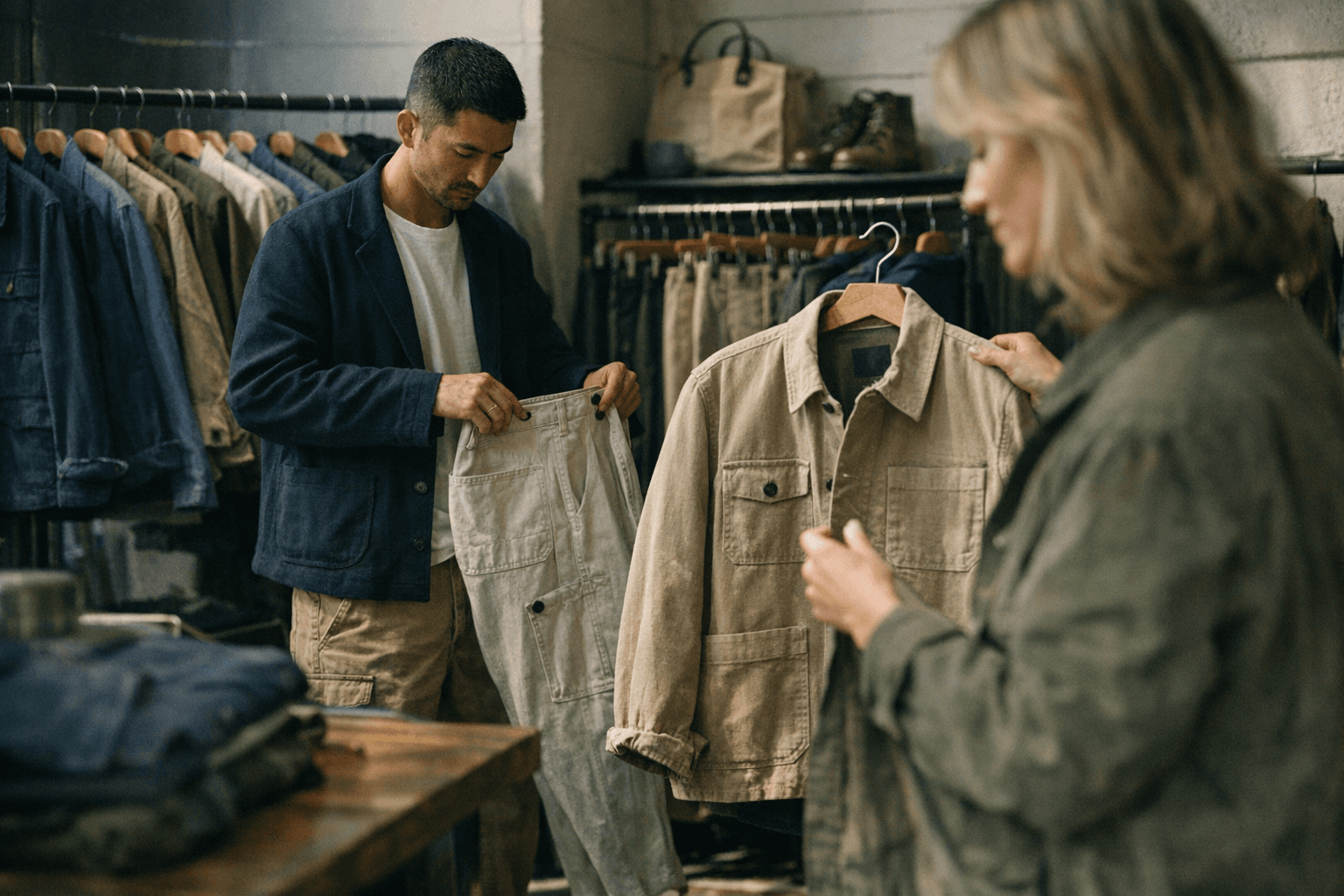
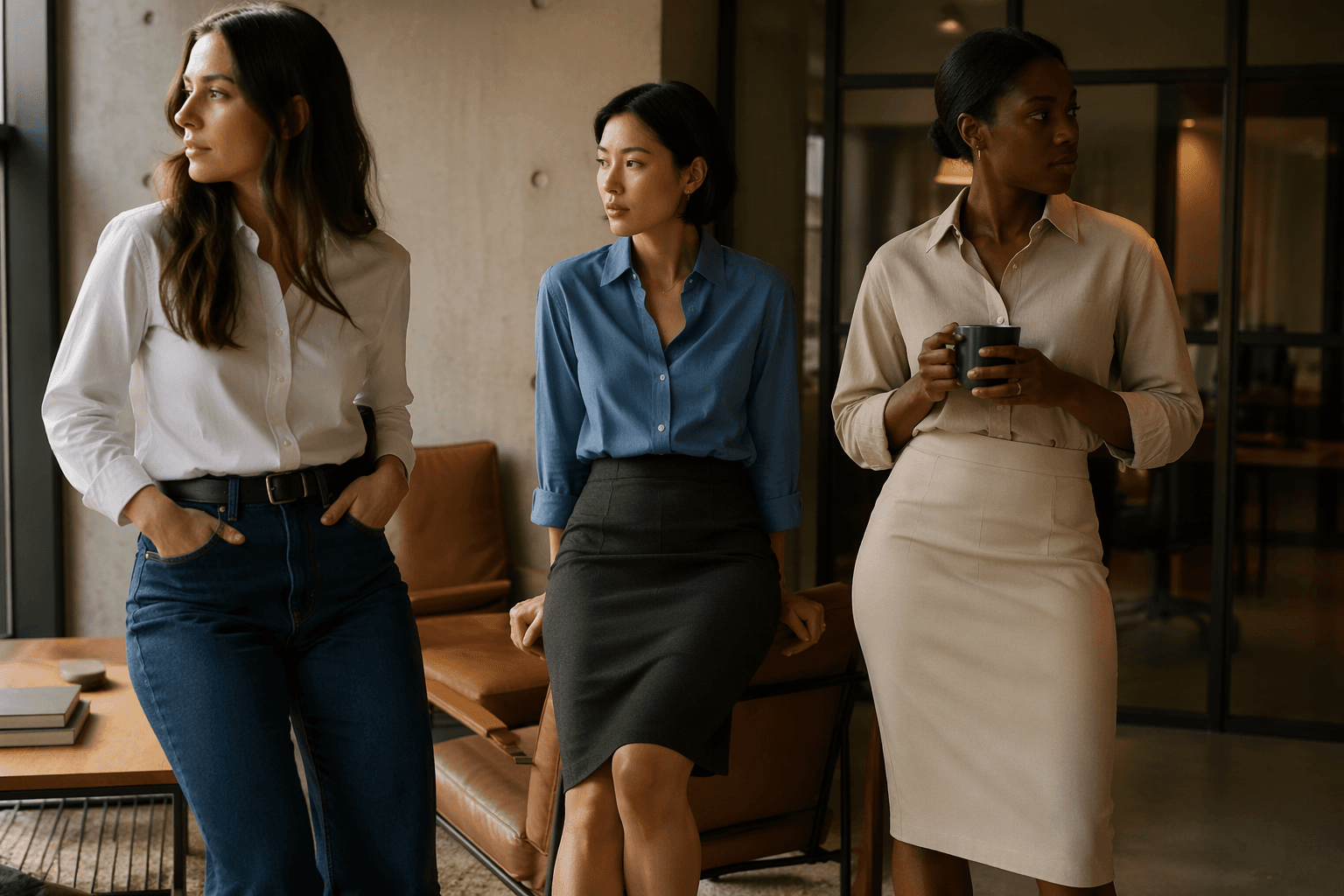
The first pieces to vanish are the ones that make office dressing feel less rigid: chore jackets, carpenter pants, elevated tees, collarless blazers, soft suiting, loafers, brogues and structured totes. That mix says spring workwear is no longer about a single office uniform. It is about clothes that can handle a commute, a conference room and a video call without looking like they belong to three different wardrobes.
The calendar explains a lot of the appetite. Kastle Systems, which tracks anonymized office-entry activity across 2,600 buildings and 41,000 businesses in 47 states, reports a weekly average office occupancy of 54.9 percent. Tuesdays still draw the biggest crowds, Fridays the fewest, and Class A+ buildings are running at 74.5 percent weekly attendance with 90.5 percent peak-day occupancy on Tuesday. In a week that still swings between home and office, the winning pieces are the ones that look sharp at 9 a.m. and stay comfortable by 4 p.m.
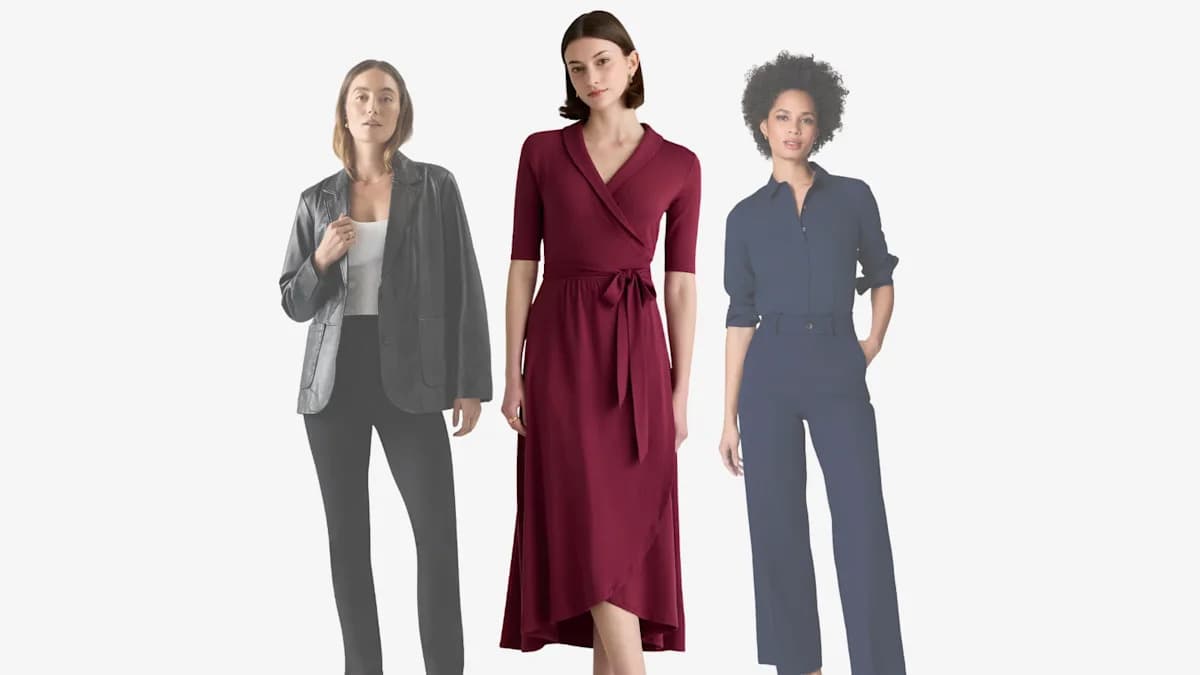
The strongest tailoring story is softer, cleaner and less buttoned-up. Who What Wear placed collarless blazers among its five biggest blazer trends of 2026, and that detail captures the mood perfectly. A good version should have a controlled shoulder, enough structure through the body to hold its shape, and a fabric with movement, think wool crepe, cotton twill or a lightweight suiting cloth that breathes in spring. Worn over an elevated tee or a fine knit, it gives polish without the stiffness of a traditional power blazer.
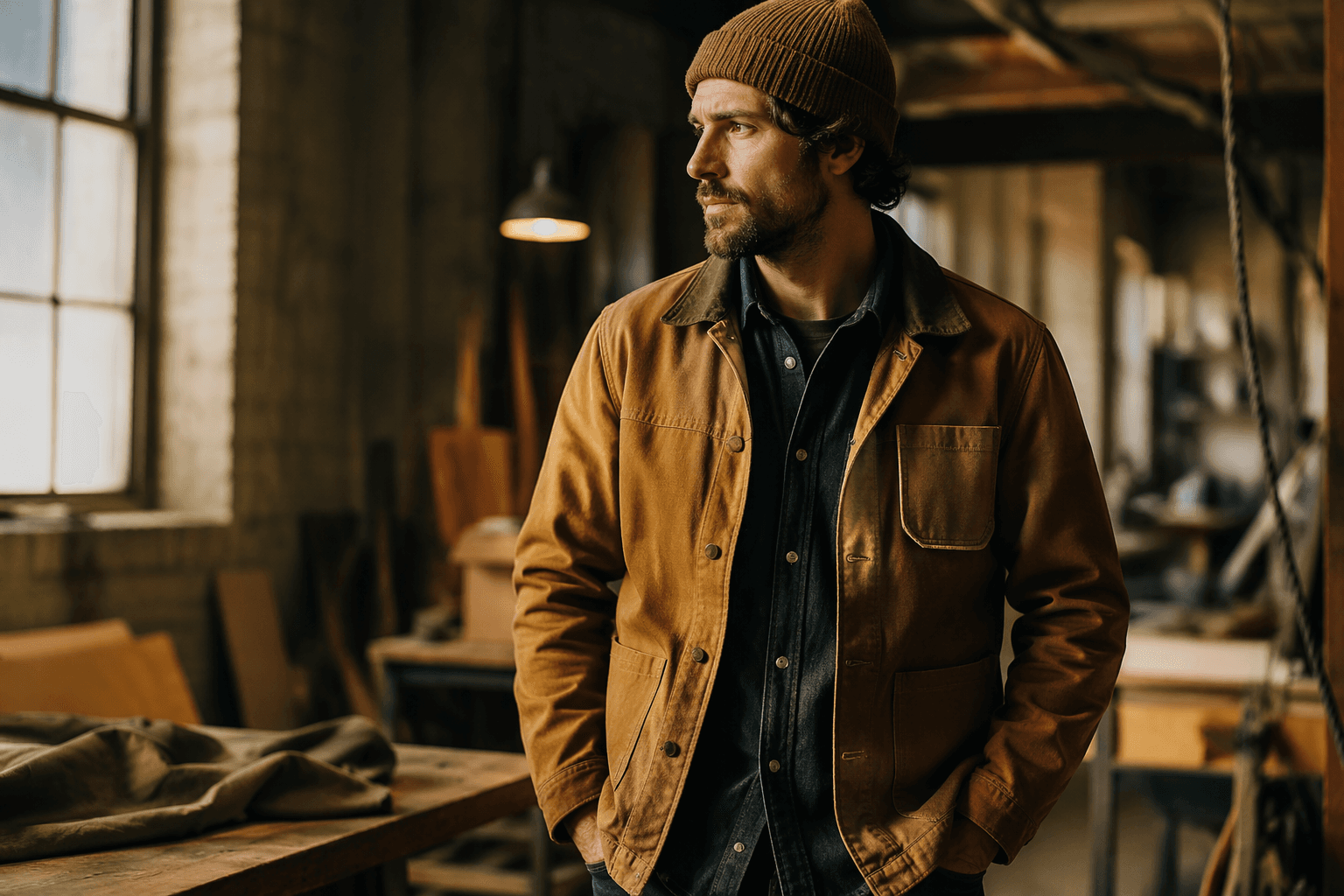
Utility is pulling just as hard. Pinterest trend reporting points to khaki-coded utility dressing, with searches for brown linen shirt up 100 percent, field jacket outfit men up 65 percent and utility shirt up 45 percent. That appetite shows up in the shop floor as chore jackets with patch pockets, engineered denim and carpenter pants cut to skim rather than swamp the leg. Carhartt’s chore coats and jackets, priced from roughly $50 to more than $200 depending on style and lining, show how the heritage end of the market still anchors the look with real substance.
For shoppers, the smartest move is to buy the workhorse pieces first: one unstructured blazer, one breathable trouser, one rugged outer layer and one polished shoe. If the best sizes are gone, the backup sources are often better than the trend racks. Menswear departments, uniform suppliers and secondhand stores tend to deliver the boxier shoulders, sturdier twills and lived-in finishes that make this trend feel authentic instead of costume-y. Deloitte’s 2026 Retail Industry Global Outlook, based on a survey of 330 retail executives, frames the year as one that demands agility and discipline, and spring workwear is following that logic exactly: fewer pieces, better cut, more mileage.
This article was produced by Prism’s automated news system from verified source data, official records, and press releases, then run through automated quality and moderation checks before publishing. The system is built and supervised by the people who set the standards it runs under. Read our full AI policy.
Did this article answer your question?