State Department Adds Dress Code, AFSA Warns of Discriminatory Impact
America's diplomats got their first-ever dress code, and AFSA says the vague "business formal" mandate risks hitting women and underrepresented groups hardest.
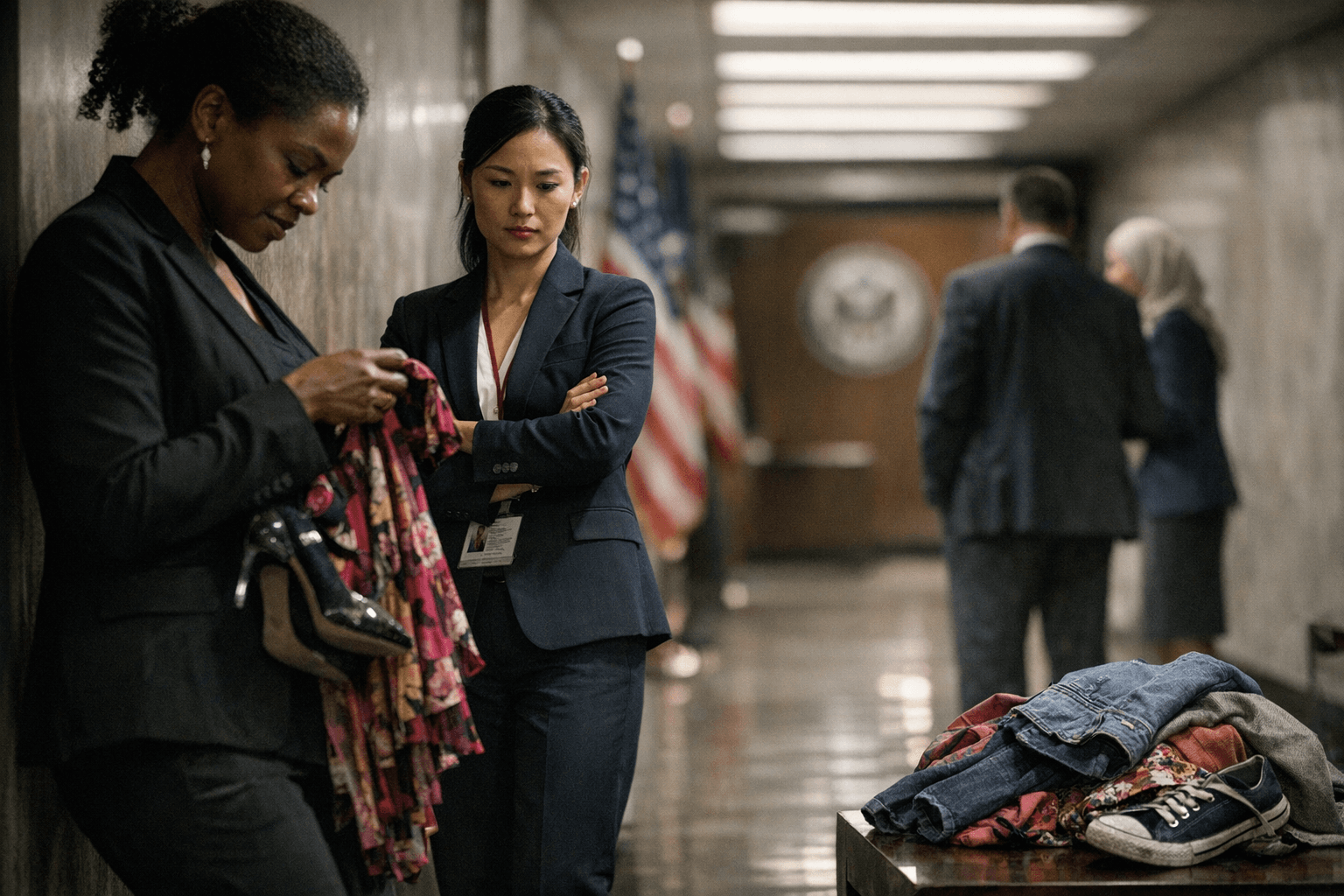
The State Department just handed workwear its most consequential case study in years: a federal mandate. For the first time in the agency's history, business formal dress was codified into the Foreign Affairs Manual, the department's central policy bible, requiring diplomats and staff to appear "polished and professional" for any official engagement with foreign counterparts. The policy is real, the language is vague, and the pushback arrived fast.
What the manual actually says is worth reading closely for anyone building a serious professional wardrobe. "Appropriate attire and appearance will depend on the duties performed, the work environment, and the level of interaction with foreign interlocutors and other external stakeholders," it reads. For meetings and official engagements specifically, the standard is Business Formal, full stop. Assistant Secretary Dylan Johnson framed the intent in terms of national representation: "Representing the United States of America is an honor, and this new policy ensures our diplomats project credibility, respect, and the dignity of the nation we serve."
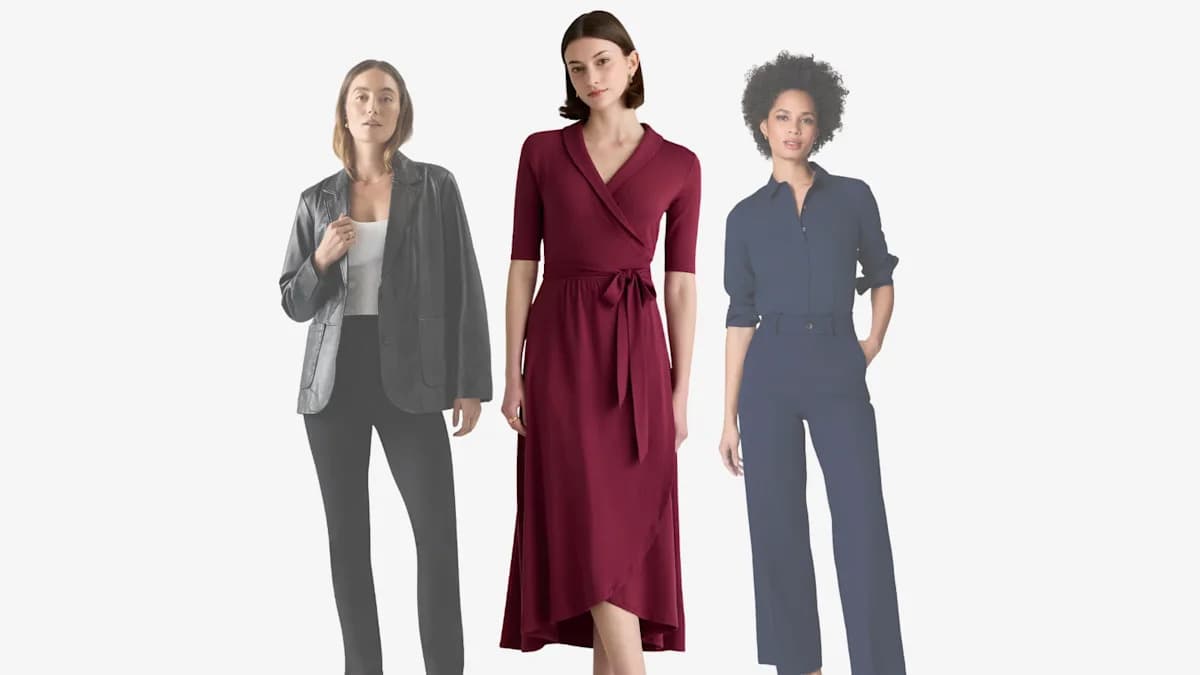
Translated into actual wardrobe terms, business formal at this level means structured suiting in weights that read authority without rigidity. Medium-weight wool in navy, charcoal, or warm stone carries the right institutional weight across most diplomatic contexts. Dress shirts in white or pale blue, in a non-iron poplin or fine-twill, survive a transatlantic flight and a security line without looking slept-in. The silhouette matters: tailored through the shoulder and chest, slim but not fashion-slim, with trousers that break cleanly at the shoe. Footwear should be polished leather, low-heeled enough to clear metal detectors without theatrics.
The American Foreign Service Association pushed back on April 6, and their critique carries real style implications. "Loosely written dress mandates have a history of discriminatory application, disproportionately affecting women and underrepresented groups, often without any stated intent to do so," AFSA Communications Director Nikki Gamer stated in a press release. That is not an abstract concern. Business formal has long defaulted to a male, Western, Eurocentric template, leaving women to interpret a standard that was never written for them, and diplomats working in cultures where a navy two-button reads as tone-deaf to navigate at their own professional risk.
The tension AFSA names is the central challenge of institutional workwear: a blanket standard cannot absorb the range of contexts a diplomat actually works in. A Foreign Service officer cycling through Riyadh, Lagos, and Seoul in a single quarter is making dress decisions that go well beyond any single dress code tier. Cultural sensitivity, climate, and physical endurance all sit inside that call.
The practical answer is a wardrobe built on modularity rather than rigid rules. A single unstructured blazer in mid-weight Italian wool that doesn't crease does more work across climates than three structured jackets. Merino knitwear in neutral tones handles the transition from an air-conditioned embassy to an outdoor reception. Layering is the real skill here, not formality.
The dress code sits inside a broader institutional shift at State. Earlier in 2026, the department replaced diversity, equity, and inclusion-related benchmarks with a new "fidelity" core precept emphasizing adherence to U.S. government policy and chain-of-command authority. AFSA, which has worked alongside the department for more than 50 years, said its collective bargaining rights remain under litigation in federal court, and the dress code is now on the list of issues the association intends to bring to the negotiating table when those rights are restored. The standard may be new; the debate about who gets to define "professional" is considerably older.
This article was produced by Prism’s automated news system from verified source data, official records, and press releases, then run through automated quality and moderation checks before publishing. The system is built and supervised by the people who set the standards it runs under. Read our full AI policy.
Did this article answer your question?