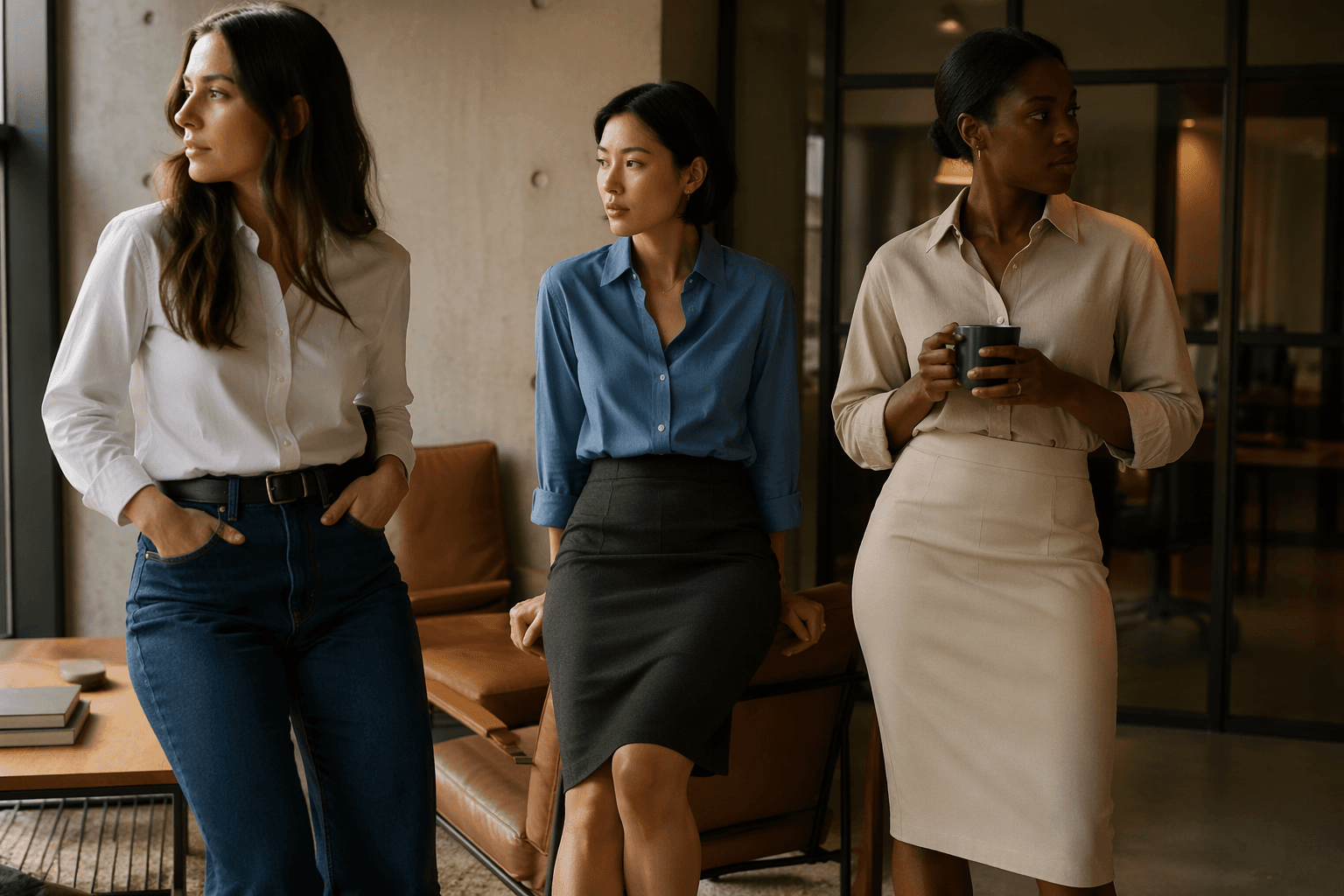
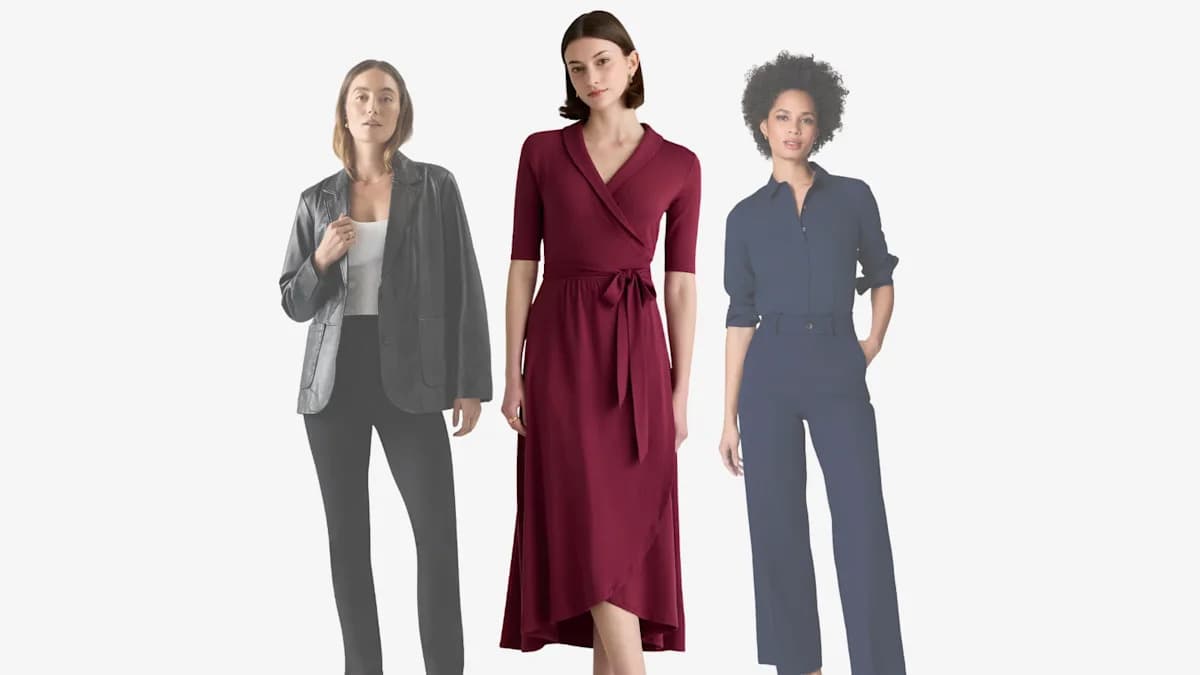
The Cut’s Editors Pick Spring Workwear Staples for Office to Weekend Dressing
The Cut’s 11 editors turn spring workwear into a 65-piece edit built for real life, led by soft pants, a Toteme trench, and a Cuyana tote.
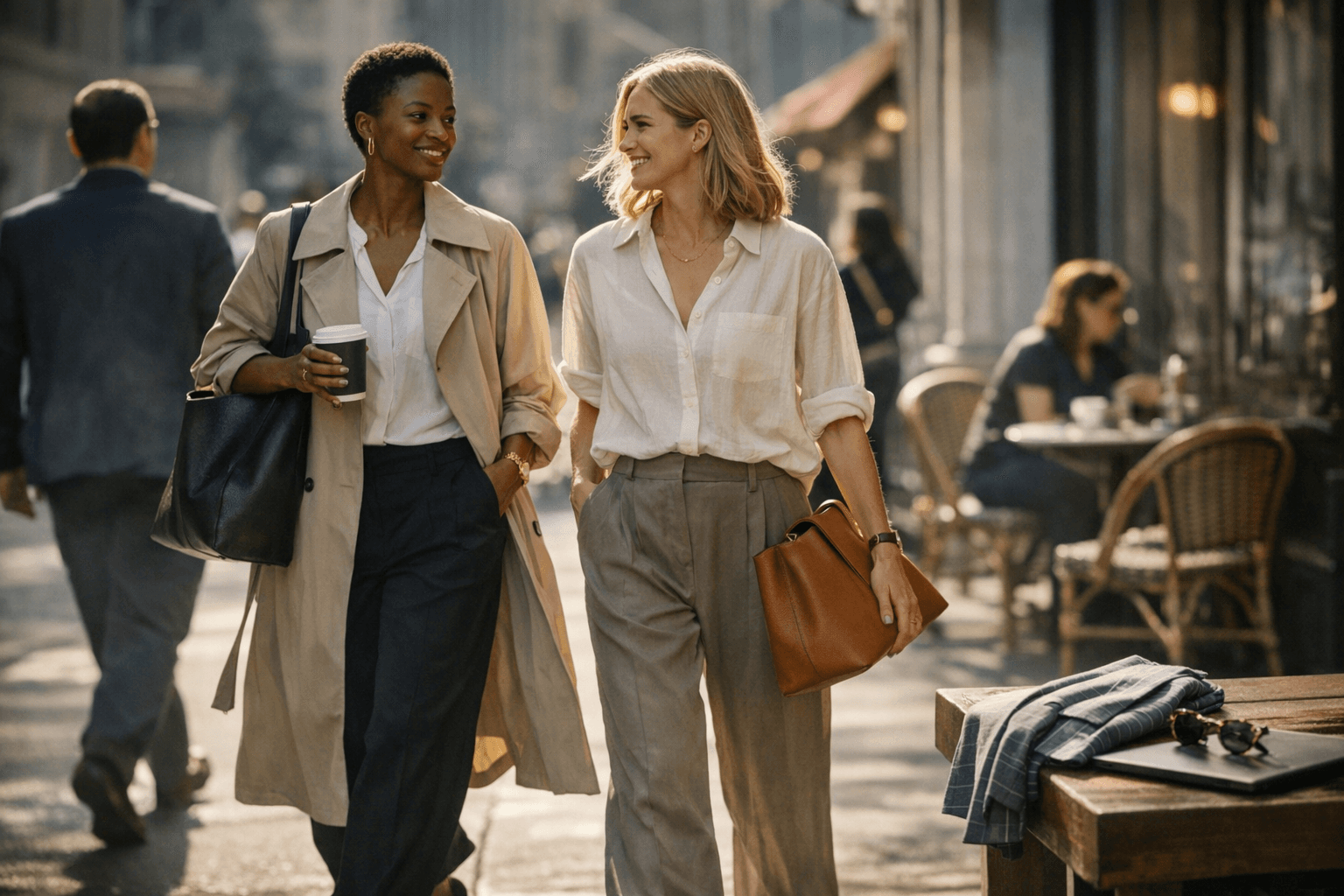
The smartest spring workwear right now is not trying to look severe. It is trying to look composed at 8 a.m., unfazed by an overpacked commute, and still good at 6 p.m. when the day has stretched long enough to matter. The Cut’s spring style edit captures that shift with unusual clarity: 11 editors, 65 recommended products, and a sharp preference for pieces that actually earn repeat wear.
A spring issue built around light, not rigidity
The Cut’s 2026 fashion issue, themed “Spring Is for Finding the Light,” gives the edit its mood, but the clothes are what make it useful. Lindsay Peoples frames the season with the line, “Joy can be an act of defiance,” and that idea lands in the wardrobe choices too. Instead of treating office dressing as a fixed code, the edit leans into clothes that feel alert, easy, and a little more human than the old idea of workplace polish.
That matters because workwear has changed. Hybrid schedules have blurred the line between desk days and everything else, and spring 2026 trouser coverage has already pushed the conversation toward wide-leg shapes, tailored cuts, and softer silhouettes. In other words, the most relevant office clothes now need to move, breathe, and still look intentional in a conference room.
Why soft pants are the smartest office buy
Soft pants are the quiet hero of this edit, and for good reason. They solve one of the oldest workplace dressing problems: how to look put together without feeling trapped in a stiff trouser by lunchtime. When the fabric has fluidity and the cut has enough shape to read polished, they do the work of tailoring without the punishment.
The Cut highlights features writer Chantal Fernandez as the editor pointing readers toward the fanciest soft pants, which is exactly the kind of specificity that makes the edit feel credible. These are not disposable lounge pants pretending to be fashion. They are the kind of trousers that can sit under a blazer, hold their line through a desk day, and still look right with flat sandals or loafers on the weekend.
Chantal Fernandez’s soft-pants logic
The appeal of soft pants is partly technical. A pair that drapes well avoids the puckering and rigidity that make some office trousers feel overly formal, especially in warm weather. They are also far easier to style around the modern workday, which can include a commute, a desk, a dinner, and a last-minute errand run without time to change.
Fernandez’s pick makes sense because the best version of this silhouette offers a rare combination: comfort that does not collapse into sloppiness. In a season when tailored ease is replacing old-school corporate stiffness, that is the difference between a trend piece and a real wardrobe anchor.
The bag built for the overpacked day
If soft pants solve the problem of how to dress, Hanna Flanagan’s work-bag pick solves the problem of how to carry your life. The Cut identifies her as the editor with the bag for overpackers, and her companion wardrobe story makes the point plainly: she calls her spacious Cuyana work bag a travel tote for overpackers. That is exactly the kind of bag that makes office style function in real time.
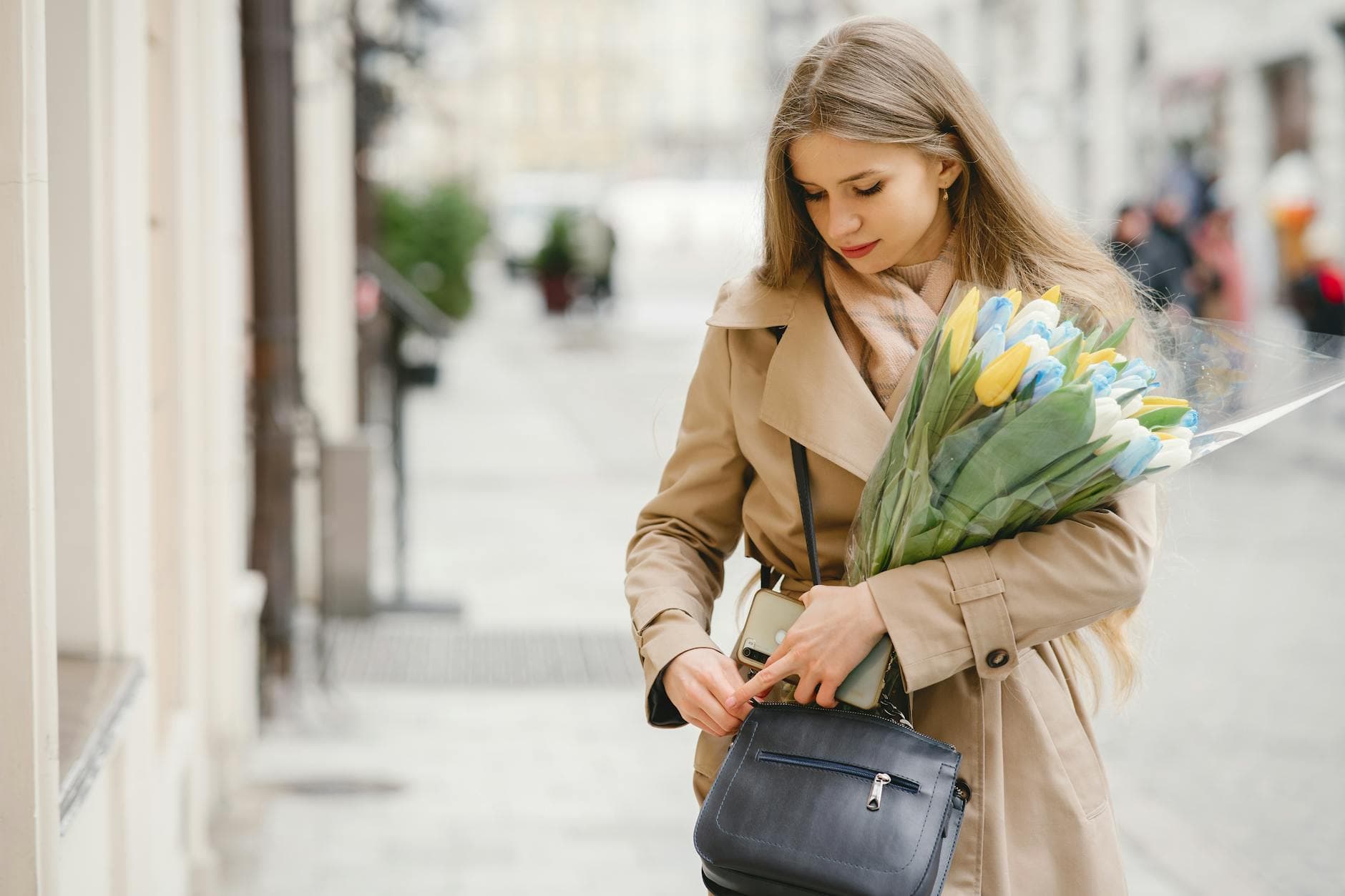
A hard-working work bag has to do more than look sleek in a photo. It needs to handle a laptop, charger, makeup pouch, notebook, receipts, maybe an extra pair of flats, and still close without looking tortured. The Cuyana bag earns its place because volume is the luxury here, not novelty. Compared with trend-driven mini bags or overly structured totes that hold their shape but not your day, a spacious carryall becomes a daily utility object with editorial polish.
Hanna Flanagan’s tote as a commuting solution
Flanagan’s bag choice is persuasive because it speaks to an actual office problem: the overpacked day. The more a work schedule spills into transit, meetings, and after-hours plans, the less patience there is for tiny accessories that sacrifice function for silhouette. A generous tote gives you one bag that can absorb the mess of a weekday and still look clean enough to carry into dinner.
That is why this kind of accessory outperforms trendier options in rotation. It does not demand outfit changes, and it does not punish you for leaving the office with more than you arrived with. In the language of workwear, that is what makes it indispensable.
The trench that keeps spring dressing honest
Hanna Flanagan’s companion closet story also anchors the edit with a Toteme trench coat she has worn for years, which says a lot about where the best spring outerwear lives now. A trench is only useful if it has enough structure to sharpen softer pieces underneath and enough ease to move with them. The Toteme version reads as one of those rare coats that can live over tailored trousers during the week and over denim or a dress on Saturday without feeling like a costume change.
That kind of repeat wear is the real measure of a strong spring staple. It is not about novelty or seasonal drama. It is about a coat that still feels relevant after countless wears because its cut is clean, its proportions are right, and it knows how to sit over almost everything else in the closet.
Why this edit works now
The Cut’s spring style edit feels especially sharp because it understands the modern office as a place where style, commerce, and practicality overlap. The 65-product breadth gives readers room to build an actual wardrobe, while the named editor picks make the choices feel lived-in rather than abstract. Chantal Fernandez’s soft pants and Hanna Flanagan’s overpacker tote each solve a distinct problem, and that is what makes them easy to remember.
More than anything, the edit reflects a broader shift in how people want to dress for work in 2026. Clothes are expected to move between office and weekend, to look polished without feeling rigid, and to support long days instead of fighting them. That is the point of this spring workwear conversation: the best pieces are no longer the strictest ones, but the ones that keep up.
This article was produced by Prism’s automated news system from verified source data, official records, and press releases, then run through automated quality and moderation checks before publishing. The system is built and supervised by the people who set the standards it runs under. Read our full AI policy.
Did this article answer your question?