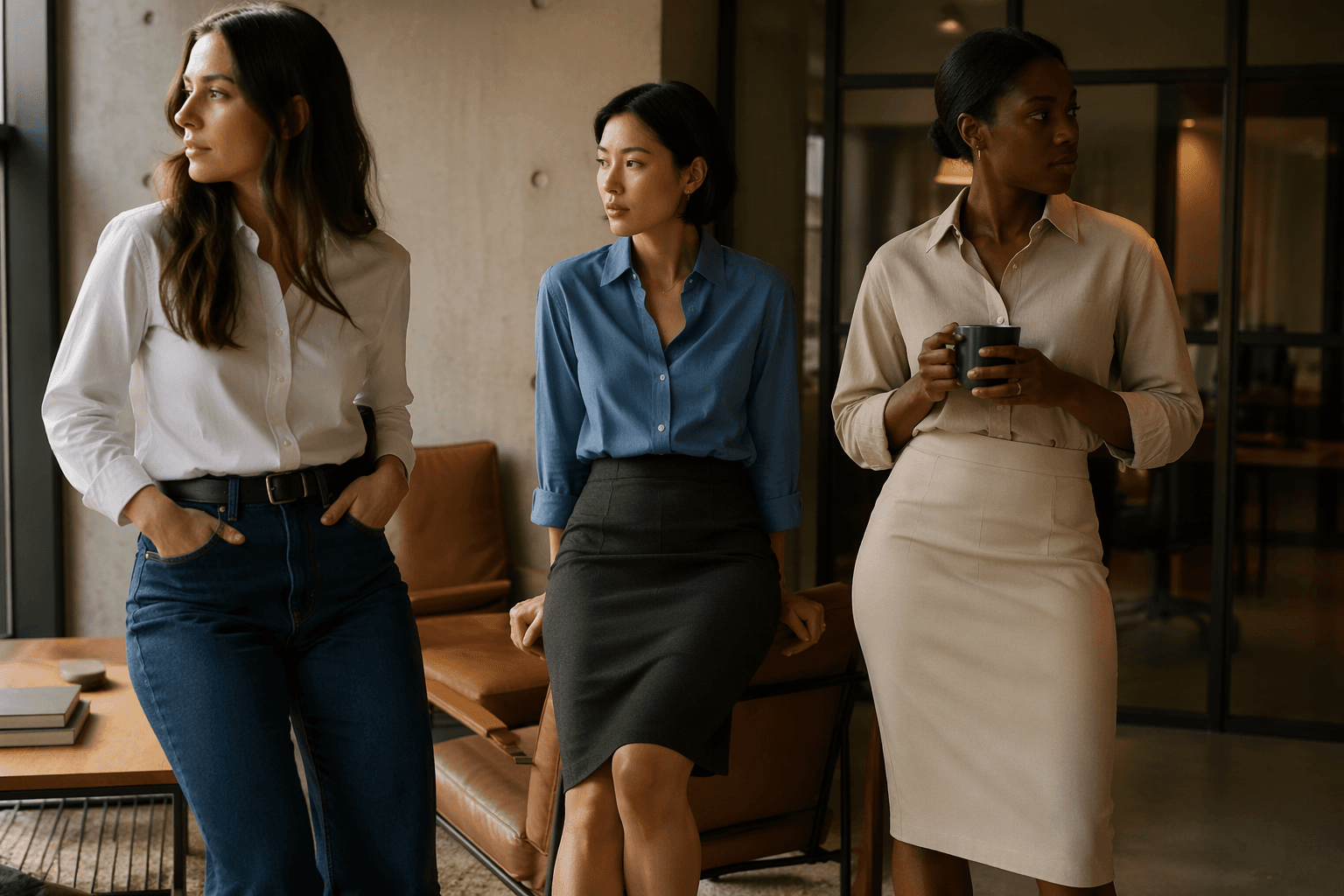
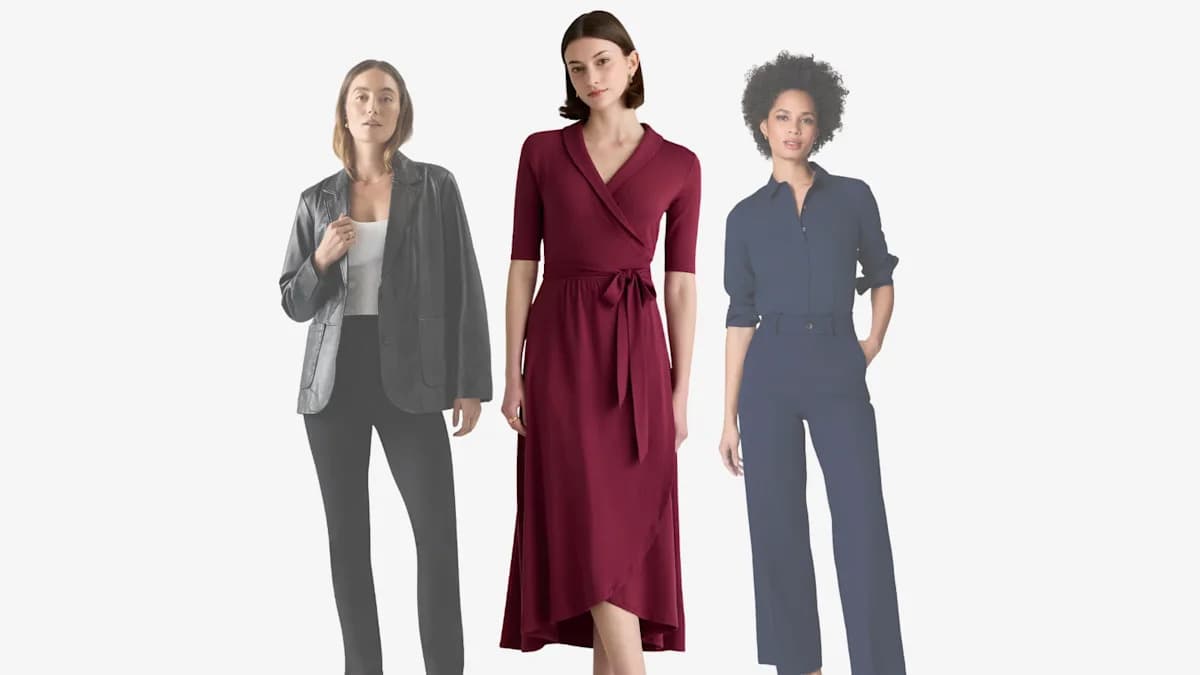
The workwear staples that make weekday dressing effortless
Hybrid work made office dressing more fluid, but a few sharp staples still do the heavy lifting. Blazers, jewelry and smart layers keep weekday outfits ready.
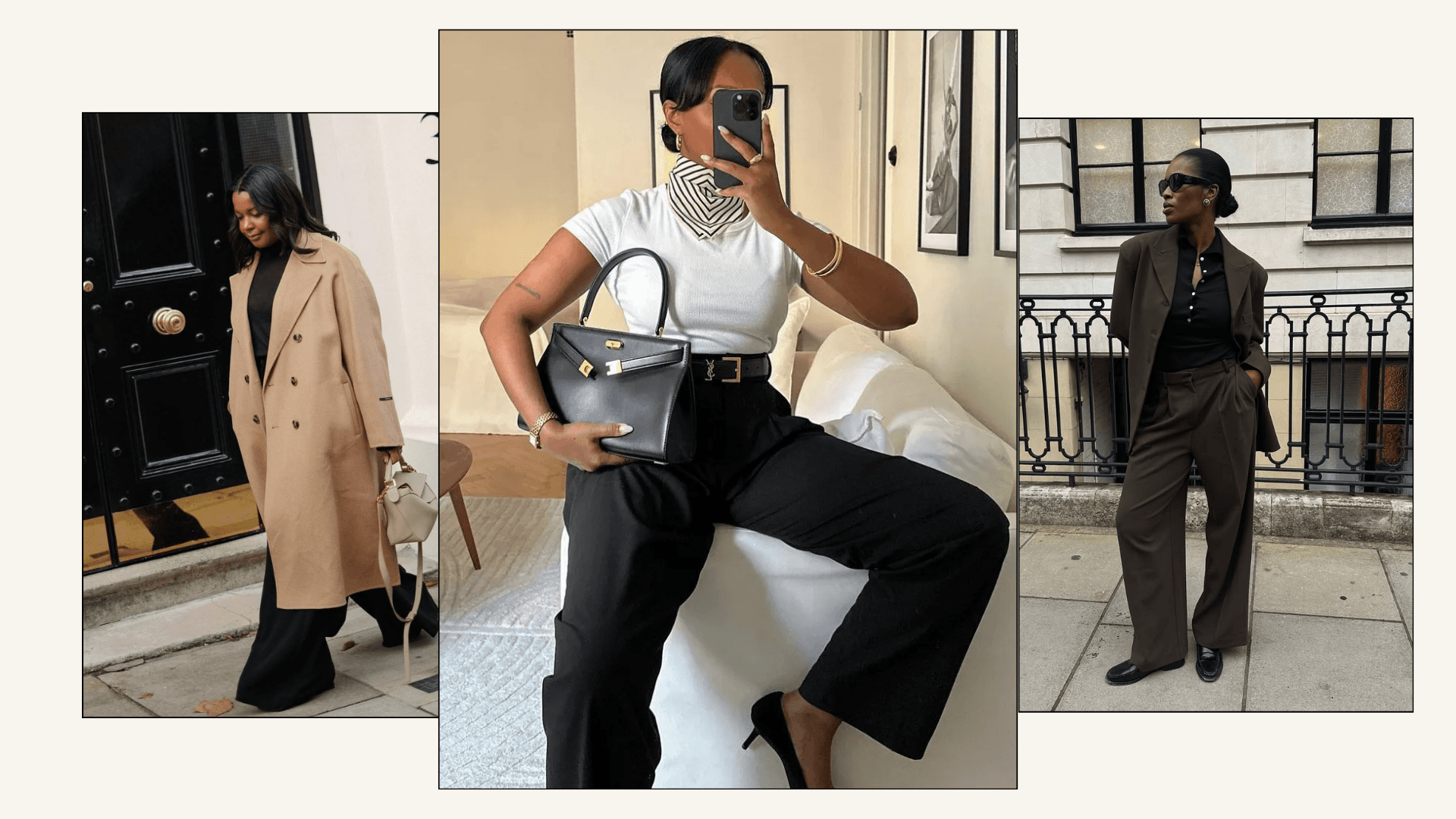
The office code is looser, but the morning rush is not
Getting dressed for work now means solving for multiple settings at once. Pew Research Center found that 75% of U.S. workers with jobs that can be done from home were working remotely at least some of the time in 2025, and 46% said they would be unlikely to stay if remote work disappeared. That is the real styling brief: clothes have to read polished on camera, in a conference room and on the commute home.
The shift has also widened the audience for office clothes. Pew reported that women made up 47% of the U.S. civilian labor force in 2023, up from 30% in 1950, which helps explain why the modern work wardrobe has become less about one rigid uniform and more about a flexible system. Indeed’s December 2025 guidance reflects the same change, noting that business casual has become a popular option in today’s offices even as business professional dress still has a place in some settings.
Start with the blazer that does the hardest work
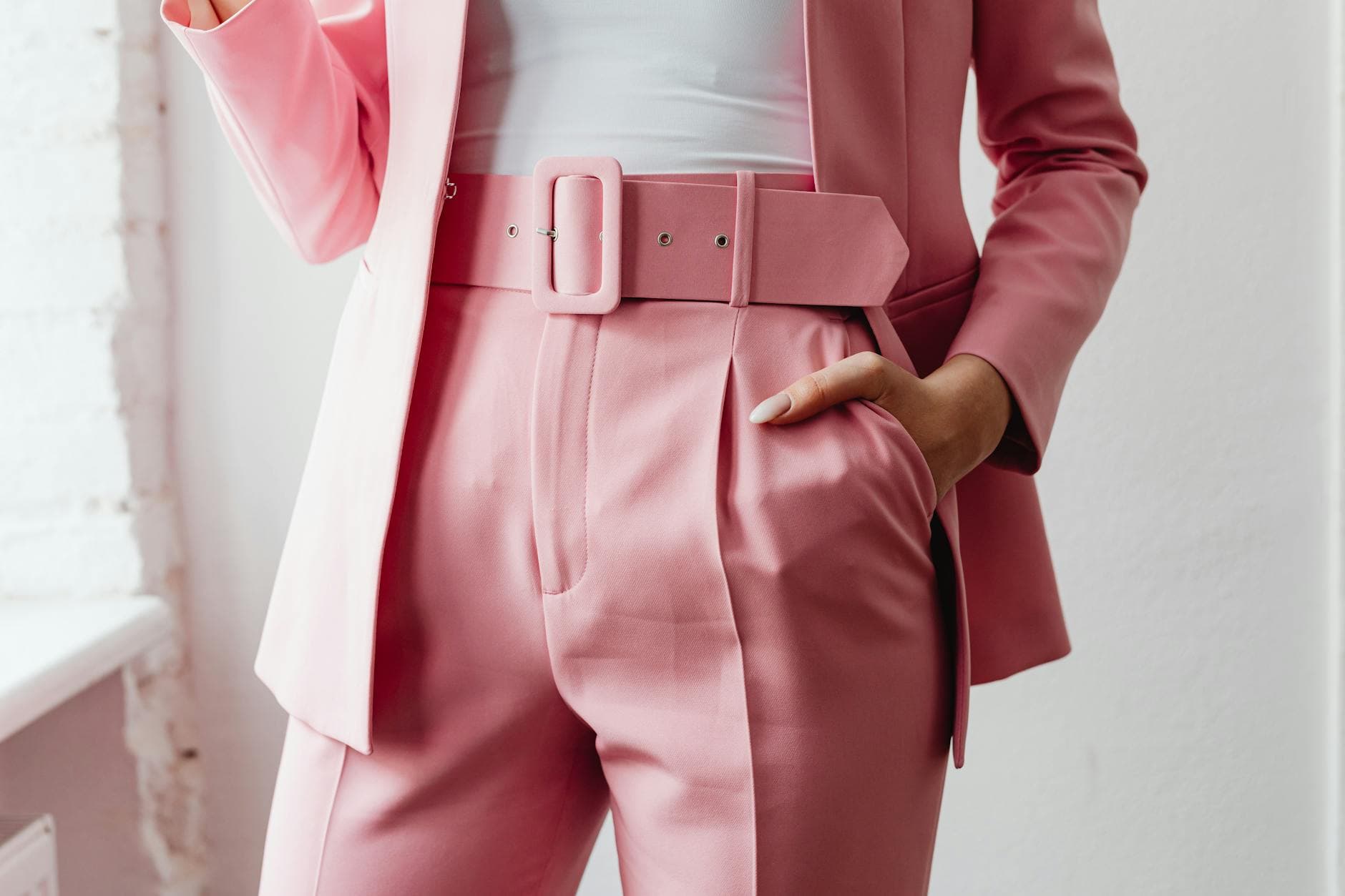
A structured blazer is the fastest way to remove dress-code ambiguity from the weekday. It sharpens a T-shirt, steadies a soft blouse and makes even a simple knit look deliberate, which is exactly why it belongs at the center of a flexible office wardrobe. The right cut gives you clean shoulders, a defined line through the torso and enough structure to bridge the gap between relaxed and formal.
This is also where cost-per-wear starts to matter. A blazer that works with tailored trousers, dark denim, a dress or a simple skirt earns its keep far faster than a trend piece with a single styling lane. In a workplace shaped by hybrid schedules, the value is not novelty; it is the number of mornings it saves you from standing in front of a closet and wondering whether the outfit looks finished.
Use polished jewelry to make easy clothes look considered
When business casual rules the room, jewelry does some of the quiet heavy lifting. A polished chain, a pair of clean hoops or a slim cuff can pull together a shirt and trouser combination that might otherwise feel too plain, especially on days when you are dressing in a hurry. The point is not flash. It is precision.
Jewelry is also one of the smartest places to spend because it travels across settings with almost no effort. Unlike a statement shoe or an overly specific bag, a well-chosen piece of jewelry can move from video call to dinner without changing the tone of the outfit. That versatility matters in offices where the dress code is softer than it once was, but where looking intentional still signals competence.
Choose layers that solve temperature swings before they start
Hybrid work has made temperature management part of getting dressed. One day you are at a desk under cold air conditioning, the next you are in a home office that feels overheated by noon, and the day after that you are back in a building with a thermostat you do not control. Lightweight layers are the answer, because they let you adjust without abandoning the outfit underneath.
Think in terms of pieces that can be added or removed without breaking the silhouette. A blazer does that. So does a fine knit, a crisp shirt worn open or buttoned, or a sleek vest layered over a base piece. The best office layers are the ones that look intentional when worn together and still hold their shape when peeled off, which is why texture matters as much as color. Smooth wool, crisp cotton and a tidy knit all read more polished than anything that collapses the moment you sit down.
Build a small wardrobe that can repeat without looking repetitive
The power of workwear staples is not that they make every outfit different. It is that they make repetition look like a strategy. Pew found that 35% of workers with jobs that can be done remotely were working from home all the time in March 2023, down from 55% in October 2020, which is a good reminder that office life is still fluid. A wardrobe built on a few interchangeable pieces keeps pace with that shift far better than one built on one-off outfits.
This is where dependable trousers, blazers and polished accessories earn their place. If each piece can do more than one job, weekday dressing becomes a matter of rearranging the same strong elements rather than chasing new clothes every season. That approach also makes more sense in a labor market that has already normalized change. Pew cited U.S. Bureau of Labor Statistics data showing that only 7% of civilian workers had access to telework as a benefit in 2019, roughly 9.8 million workers, before the pandemic transformed expectations. Deloitte’s 2022 Global Remote Work Survey, which drew on more than 820 tax, HR, mobility and payroll professionals across 45 countries, found that almost 80% planned to allow some level of remote or hybrid work, while McKinsey’s 2021 survey of 100 executives found nine out of ten organizations expected to combine remote and on-site working in the postpandemic future.
That is why the smartest weekday wardrobe is not overloaded; it is edited. A structured blazer, polished jewelry and a handful of interchangeable layers do more than polish an outfit. They remove friction from the hour that matters most, when the day is already moving and getting dressed needs to be the easiest decision you make.
This article was produced by Prism’s automated news system from verified source data, official records, and press releases, then run through automated quality and moderation checks before publishing. The system is built and supervised by the people who set the standards it runs under. Read our full AI policy.
Did this article answer your question?