US Denim Mills Yesteryears collection celebrates worn-in denim, natural depth
US Denim Mills turns denim into a study in patina, pairing slubby depth and washed-in color with fabrics built for chore jackets, overshirts, and smarter office denim.

US Denim Mills is treating denim less like a finish and more like a record of use. The Yesteryears collection, part of the Autumn/Winter 27-28 line-up, is built around post-production transformation, the idea that denim looks most persuasive after it has lived a little, softened a little, and taken on the uneven character that only time can give.
A collection built around wear, not novelty
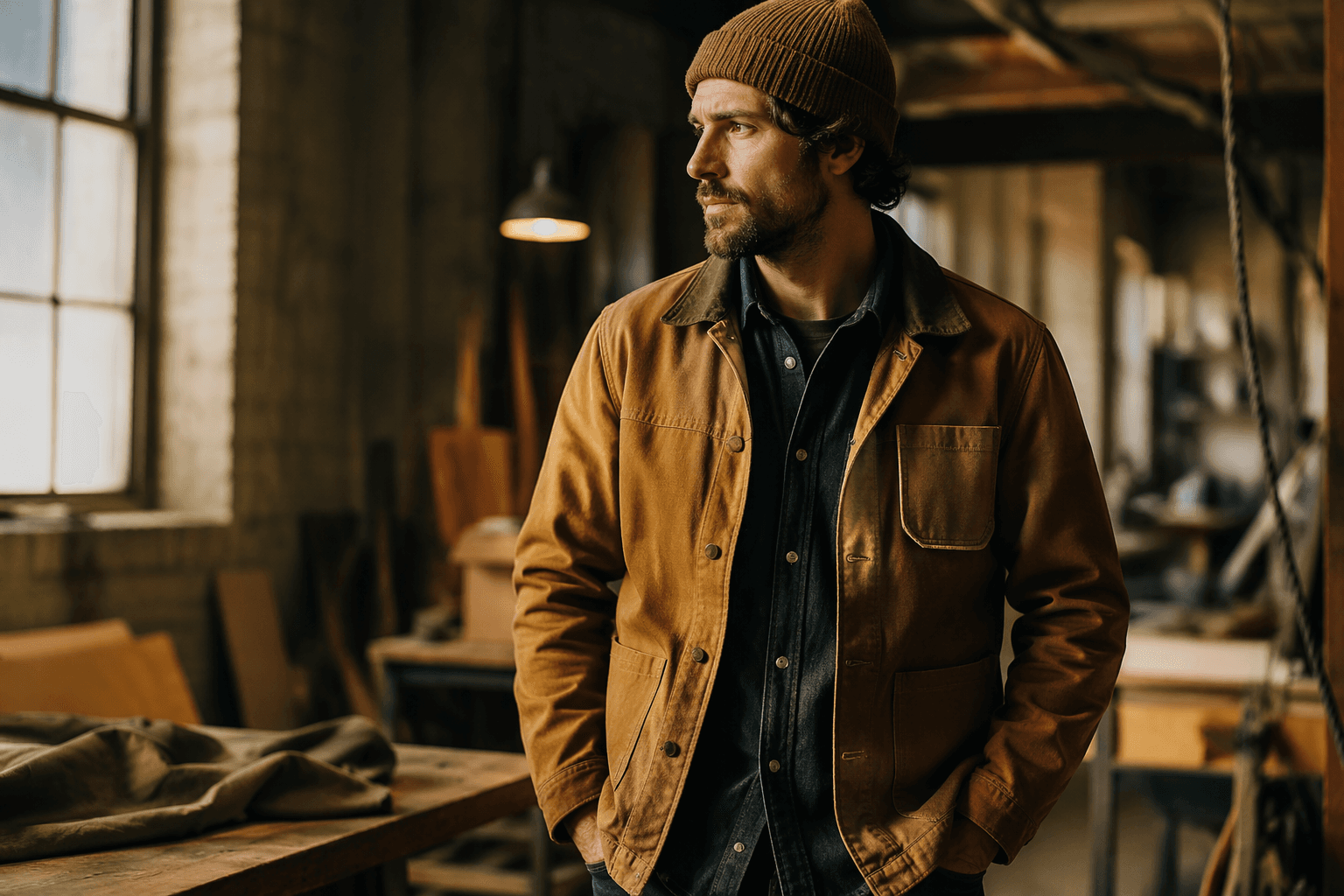
What makes Yesteryears feel distinct is that it does not chase fake distress or overly processed effects. Instead, it leans into versatile slubs, irregular surfaces and nuanced tones that read as naturally evolved rather than engineered for drama. That is a sharp distinction for workwear and office denim alike, because the cloth is being asked to do more than look authentic on a hanger. It needs to support chore jackets, overshirts, utility trousers and relaxed denim shirting that can move between workshop, commute and desk without losing credibility.
The collection also sharpens the conversation around what denim is becoming. Natural fibers, mono-material constructions and softness sit at the center of the range, which matters because the industry has spent years balancing heritage appeal with daily comfort. Yesteryears answers that tension by making the fabric feel already broken in, but still substantial enough to hold shape.
Shades that feel aged without looking tired
The color story is as important as the hand-feel. US Denim Mills expands into diversified indigos, smoky and super dark tones, vintage casts, evolving greens and rich grays, all designed to hold depth over time. That palette matters in workwear because it gives brands room to build garments that feel grounded rather than costume-like. A deep smoky indigo can sharpen an overshirt. A rich gray can shift a utility trouser closer to easy office denim. A vintage cast can give a chore jacket the dry, seasoned character that pairs well with leather boots, canvas sneakers or tailored outerwear.
This is also where the slub becomes more than a technical detail. In a cloth like this, slub creates visual movement, the tiny irregularities that stop the surface from reading flat. Instead of synthetic fading effects, the fabric carries its own depth from the start, which is exactly what gives it that lived-in authenticity brands keep trying to manufacture after the fact.
The hero fabrics inside Yesteryears
Yesteryears sits alongside a wider family of fabrics that show how US Denim Mills is thinking beyond one look. Cloud Nine offers a smooth, calm hand-feel with no break-in period, yet it still carries full structure and weight. That makes it a natural candidate for denim pieces that need immediate comfort without collapsing into softness, like a boxy shirt-jacket or a polished five-pocket trouser.
GOAT reinterprets selvedge through a modern lens, using premium fibers such as Tencel, linen and wool. That blend points to a broader shift in premium denim, where authenticity is no longer tied only to rigidity or rawness. Instead, the cloth can keep the visual authority of denim while becoming easier to wear, lighter against the body and more adaptable to layered dressing.
Vintage Ease removes weight without compromising denim’s identity, which is exactly the kind of proposition that works in warmer climates or in collections built around transitional layering. In Edit adds refinement through linen, Tencel and wool blends, while Elan introduces stretch from 20 percent to 60 percent in overdyed constructions. Surface Rhythm takes a different route, creating tension through texture rather than contrast. Together, those names show a mill thinking in garment systems, not just fabric swatches.

Why this matters for workwear now
The larger market picture is clear. Intizar Ali of US Group says denim is moving in two directions: rigid denim and comfort stretch. That split defines much of contemporary workwear, where the consumer wants the authority of classic denim but not the stiffness that once came with it. The appetite for premium blends, including Tencel, linen and other fibers, reflects that shift. These materials preserve the denim look while making room for movement, breathability and all-day wear.
That is also why US Denim Mills’ range feels especially tuned to current silhouettes. The company says the line is designed to serve baggy, wide-leg, mom and balloon styles, which are exactly the fits that benefit from fabric with character and a good drape. A baggy trouser needs body. A wide-leg shape needs weight without heaviness. A balloon silhouette needs cloth that can hold volume while still looking refined. The right slub, the right shade depth and the right hand-feel become construction tools, not decoration.
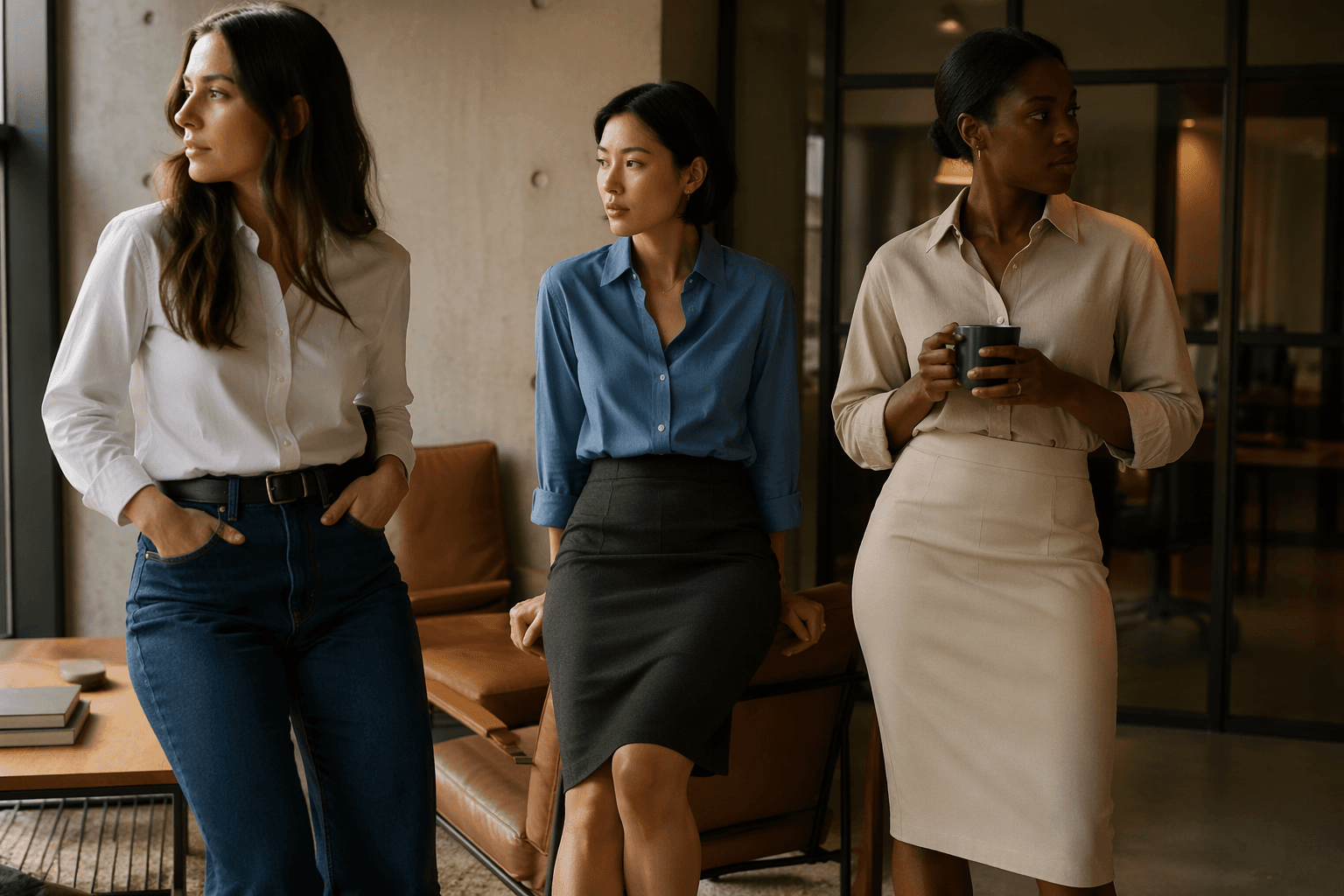
For office dressing, the implication is just as strong. Easy office denim works when the fabric looks deliberate, not casual in a lazy way. A dark, smoky indigo with a calm surface can read cleaner under a blazer. A lightly textured gray denim can substitute for tailored cotton when the dress code leans relaxed but polished. That is the value of Yesteryears: it does not just supply a mood, it supplies usable cloth.
A mill with a long view of denim
US Denim Mills is part of US Group, also known as US Apparel and Textiles, a family-owned business based in Lahore, Pakistan. The group traces its apparel trading history back to 1975, and says it specialized in denim manufacturing just over 12 years ago. That timeline helps explain the collection’s balance of continuity and experimentation. The company is not approaching denim as a novelty category; it is approaching it as a business built on long memory and technical adaptation.
The collection also follows earlier concept lines, including Zen, The RAW Edition and Roots. Zen was developed in collaboration with veteran denim designer Piero Turk, while The RAW Edition unfolded across six design narratives crafted primarily from cotton, Tencel, linen and wool. Those projects established a clear creative language for the mill: heritage, authenticity, natural materials and fabric character that evolves rather than stays fixed. Yesteryears extends that language with a sharper focus on lived-in depth.
The point of the collection
The strongest denim right now does not try to look new forever. It looks better the longer it is worn. That is the promise of Yesteryears: slub, shade and softness working together so the fabric arrives with the kind of depth most brands spend seasons trying to age into a product. In workwear terms, that means cloth that can be cut into jackets, overshirts and trousers with immediate credibility. In fashion terms, it means denim that understands the modern luxury of looking as if it has already had a life.
This article was produced by Prism’s automated news system from verified source data, official records, and press releases, then run through automated quality and moderation checks before publishing. The system is built and supervised by the people who set the standards it runs under. Read our full AI policy.
Did this article answer your question?