Graduation gifts add up fast, experts say celebrate without overspending
Graduation spending is headed for a record $6.8 billion, but the smartest gift is the one that fits your budget and still feels generous.

Graduation season has a sneaky way of turning one milestone into a pile of bills. In metro Detroit, families are paying for senior photos, announcements, caps, gowns and party costs at the same time, which is why the best spending decision is to separate what matters from what only looks mandatory.
The National Retail Federation has tracked graduation spending since 2007, and this year it expects the category to hit a record $6.8 billion. In its 2025 survey, 36% of respondents said they planned to buy a gift for a high school or college graduate, more than half said they planned to give cash, and the average expected gift spend came in at $119.54. That is the whole story in one number: graduation gifts are not small, and neither is the temptation to keep up.
The price creep starts before the gift
The bill does not begin with the party. It starts with the lead-up, when the graduate needs a cap and gown, the family starts mailing announcements, and someone decides flowers or a nicer venue would make the day feel “complete.” WXYZ described the season as bringing a noticeable price tag for families, and that is exactly right. Graduation-related spending can include gifts, parties, cards, grad attire, flowers and more, which means the cost pressure arrives in layers, not all at once.
The smartest triage is to decide what is truly nonnegotiable. A cap and gown are part of the ceremony. Food and a gathering matter if you want to mark the day with relatives and friends. Announcements can be useful, but they are also the first place to trim if money is tight, because they are easier to reduce than the actual celebration itself.
What the numbers say, and why they matter
The 2025 National Retail Federation survey was fielded to 8,225 consumers ages 18 and older from May 1 through May 7, with a margin of error of plus or minus 1.1 percentage points. That matters because this is not just a seasonal hunch. It is a large consumer snapshot showing how quickly graduation spending becomes a national event, even while many families are budgeting carefully amid recession and inflation concerns.
U.S. News has echoed the same advice experts keep repeating: spend within your financial means, do not overdo graduation gifts, and do not let announcements pressure you into spending more than you planned. That advice lands especially hard now, when a May 2025 Consumer Affairs survey found that 56% of Americans said they had already started cutting back due to recession worries. In other words, the most generous gift is not the biggest one. It is the one you can give without turning a celebration into a financial hangover.
The smartest gifts, by who they are for
Cash is still the safest graduation gift because it solves the most immediate problem, which is that graduates often need flexibility more than they need another object. It is the top choice for a reason, and the NRF’s average expected spend of $119.54 shows just how normalized that kind of practical giving has become. If the graduate is heading to college, moving into an apartment or trying to cover day-to-day costs, cash is not impersonal. It is useful.
For the high school grad, cash feels especially right when the next stop is uncertain, or when the family already knows there are laptop repairs, dorm purchases, textbook expenses or travel costs ahead. For the college grad, it can help with moving expenses, job search costs or the first round of real adult bills. If you want the gift to feel more thoughtful, tuck the cash into a card with one line that explains what you hope it helps cover.
If you want something more specific than cash, think in terms of what the graduate is actually walking into next. A practical gift works best when the graduate is entering college, a first apartment or a new city. That could mean dorm basics, kitchen basics, luggage, a gas card or help with the boring essentials nobody wants to buy for themselves. The point is not novelty. The point is reducing the number of things the graduate has to scramble for after the ceremony is over.
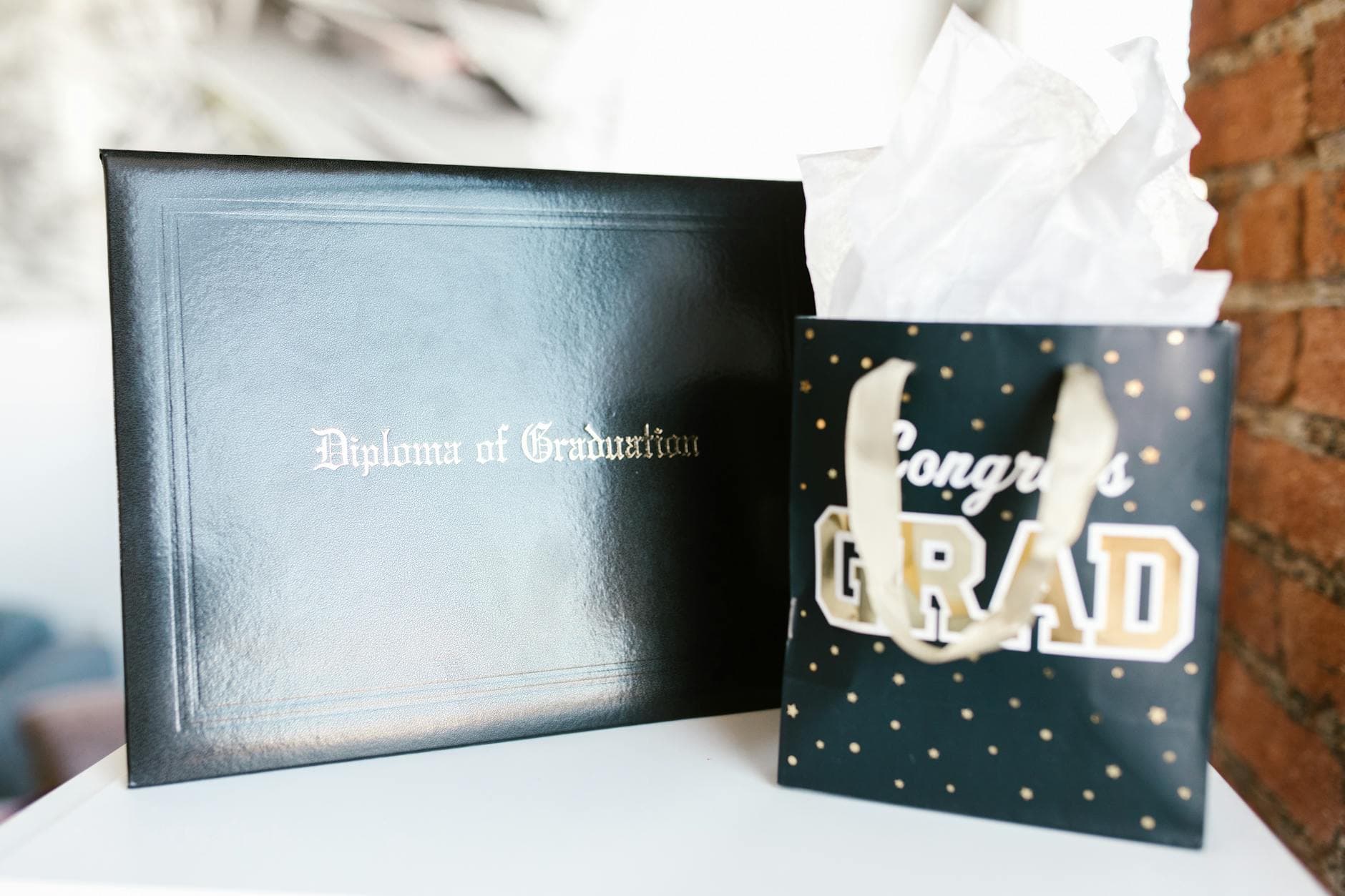
Keepsake gifts still have a place, but they work best when the relationship is close enough to support sentiment. This is the gift lane for a sibling, grandparent or family friend who wants to mark the moment without trying to become the hero of the party. A photo frame, a handwritten note or a small object tied to a memory is enough. Graduation is already overloaded with stuff, so the best keepsakes are the ones that do not compete with the event itself.
Where to save first without making the day feel thin
If the budget is tight, cut the parts of graduation that create the most visual pressure and the least lasting value.
- Announcements can be reduced fast. Send them to the people who truly matter, not everyone you feel obligated to impress.
- Flowers are lovely, but they are also one of the easiest expenses to skip or simplify.
- Party extras, from fancy décor to themed favors, are easy to scale back without making the room feel bare.
- The venue can shift from a rented space to a backyard, a park pavilion or a home gathering if food and company are what matter most.
- If the school allows it, look for hand-me-down caps and gowns. That is one of the rare places where borrowing can save real money without changing the meaning of the day.
The best move is to spend on the pieces people actually remember. Good food, a congratulatory card, a clean photo or two, and a gift that helps the graduate start the next chapter will do more than a pile of decorative extras ever could. Graduation has become a major retail event, but families do not have to let the market define the occasion. The smartest celebrations feel generous because they are intentional, not because they are expensive.
Know something we missed? Have a correction or additional information?
Submit a Tip