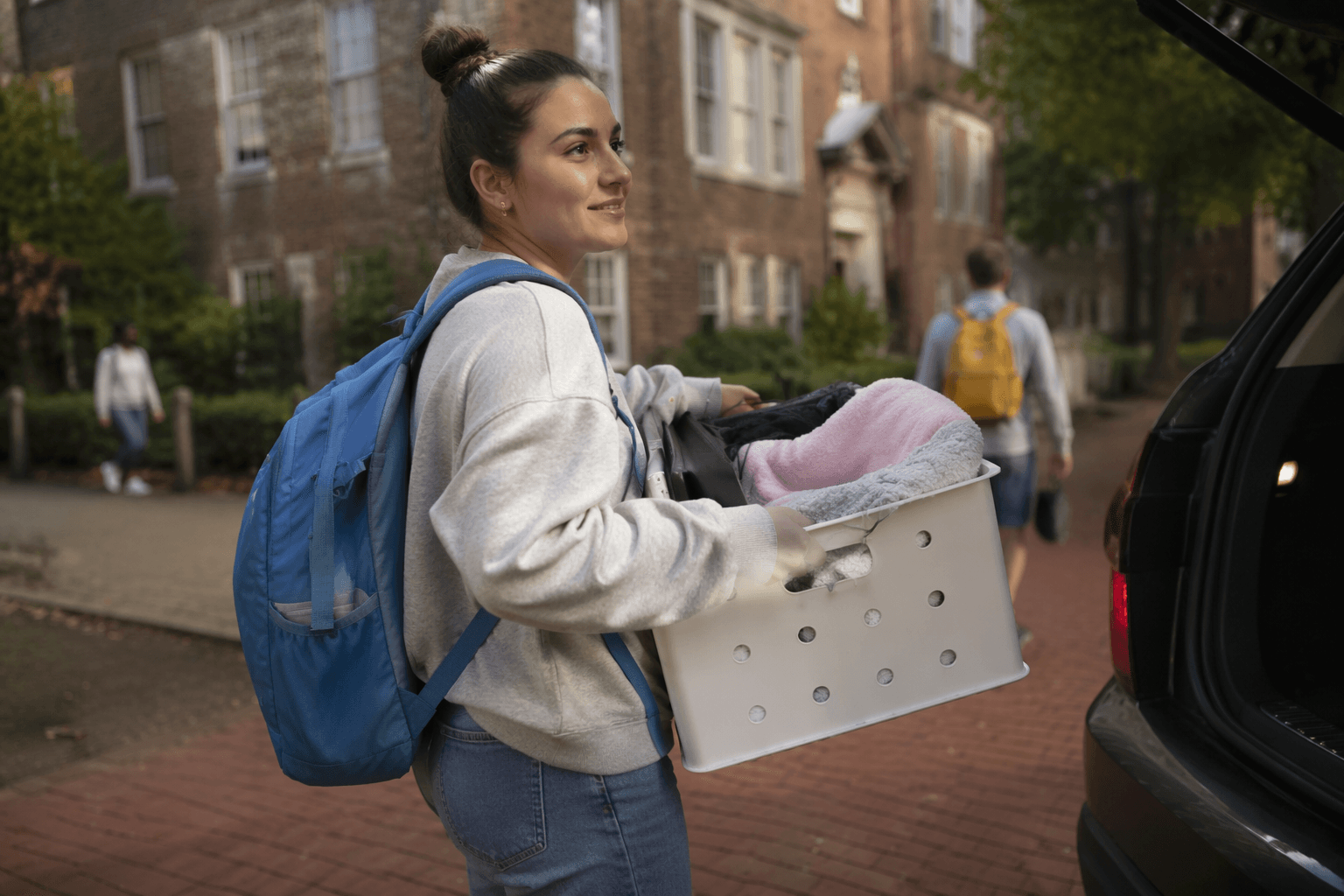
Project Graduation aims to make lasting positive impact on seniors
Project Graduation turns graduation night into a safe, community-funded celebration; here's how keepsakes, prizes, and donor sponsorships make it work for every senior.
The Night That Changed Everything
The tradition that now protects hundreds of thousands of graduating seniors every spring traces back to a single devastating season. In the spring of 1979, the Oxford Hills area of Maine lost seven teenagers to alcohol and drug-related deaths during the commencement period. The community's response the following year became a blueprint for the nation: a chemical-free, adult-supervised all-night party for the Class of 1980, held at the local fairgrounds, that they called Project Graduation. The first event was held on June 14, 1980, and that year recorded no drug or alcohol-related fatalities or arrests among its graduates. More than four decades later, the model has been adopted by high schools across all 50 states.
For the Class of 2026, Project Graduation committees nationwide are deep in the work of making that same promise: that no senior has to choose between celebrating and staying safe.
Why Graduation Night Is So Dangerous
The urgency behind Project Graduation is rooted in hard data. Car crashes are the leading cause of death for teenagers in the United States, and graduation night ranks among the highest-risk evenings of the year for impairment-related accidents. According to Mothers Against Drunk Driving, approximately a quarter of all teen crash deaths involve an underage drinking driver. The Insurance Institute for Highway Safety puts the fatal crash rate for 16-to-19-year-olds at nearly three times that of drivers aged 20 and over. Project Graduation exists precisely to eliminate that calculus on the one night when teenagers are most likely to be out late, emotionally charged, and surrounded by peer pressure.
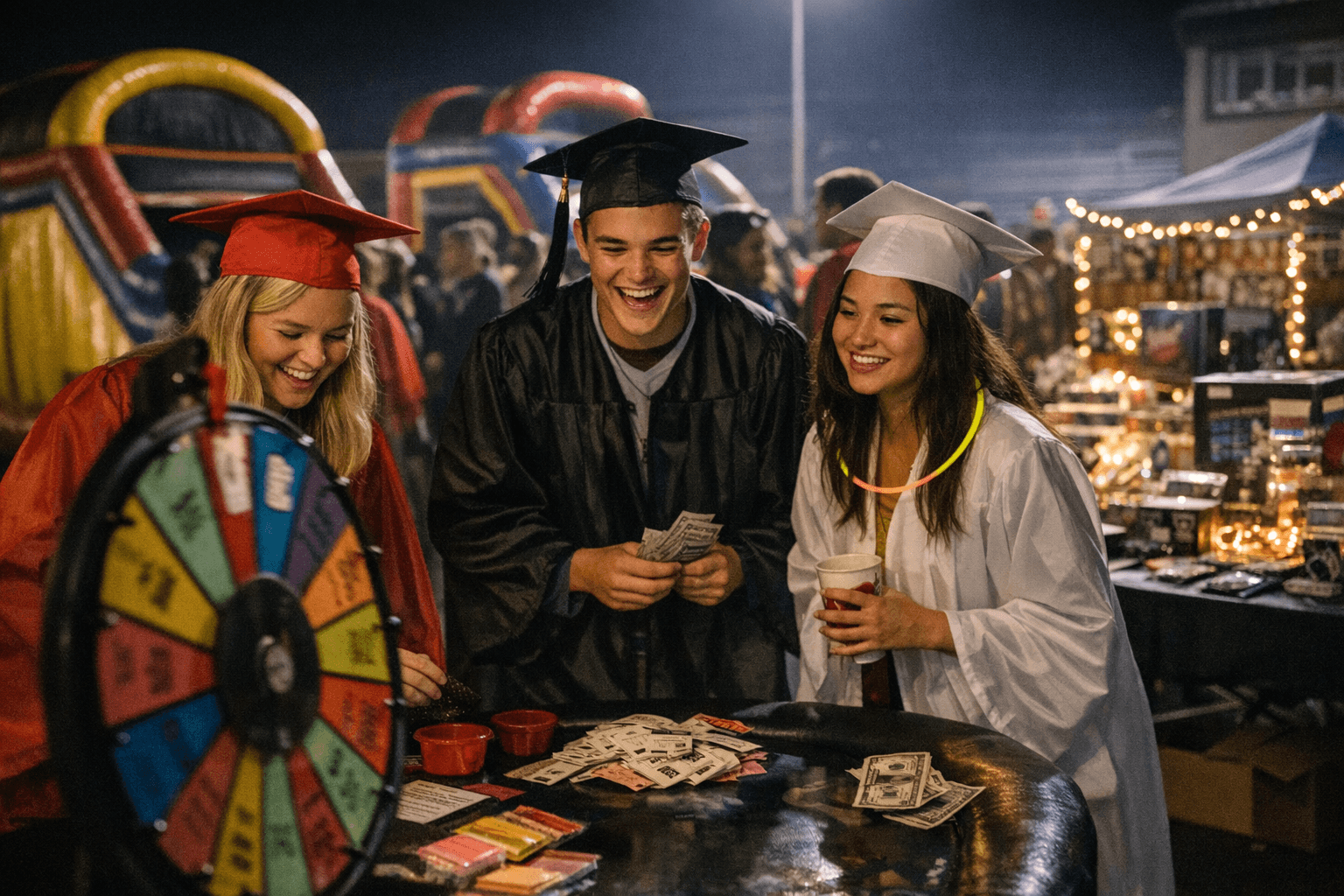
The model works not by restricting celebration but by replacing risk with something genuinely more memorable. Committees offer food, entertainment, games, music, and prizes from the moment graduation ceremonies close until the early morning hours, keeping seniors together in one supervised venue through the most dangerous window of the night.
How the Community Funds It
What makes Project Graduation structurally remarkable is that it receives no funding from school districts. It is entirely volunteer-run and financed through a combination of community donations, business sponsorships, and creative fundraisers organized by parent committees throughout the year. Every dollar raised goes directly toward the event: transportation, venue costs, food, entertainment, and, crucially, the gifts and prizes that make the night feel genuinely celebratory rather than simply supervised.
Committees typically raise funds through a range of activities:
- Silent auctions featuring donated goods and services from local businesses
- Custom graduation apparel sales, with t-shirts and hoodies printed with the class year and school name
- Yard sign campaigns, such as the 18-by-24-inch "Congratulations" signs sold for around $20 each in communities like Andover, Hebron, and Marlborough
- Bake sales, car washes, and online giving campaigns
- Direct business sponsorships tied to specific gift packages or prize tiers
Many committees structure their sponsorship asks so donors can fund something concrete: a specific gift bundle for one graduate, a prize-tier upgrade, or a keepsake item that every senior receives upon arrival. That model, tying a donor's contribution to a tangible outcome for a named class, has proven particularly effective at converting community goodwill into actual dollars.
Keepsakes That Last
The gifts distributed at Project Graduation events fall into two distinct categories, and the best committees plan for both. The first is the keepsake: something every graduate receives regardless of raffle luck, something they will still have ten years from now. These tend to be affordable, high-meaning items that carry the class year or school identity. Popular options include:
- Custom class-of-2026 mugs, tote bags, or keychains bearing the graduation date and class slogan
- Diploma frames imprinted with the school name and year, which families often plan to purchase anyway
- Custom hoodies or hats featuring the graduate's name alongside their entire class roster
The second category is the prize tier: the big-ticket raffle items that generate excitement and give seniors a reason to engage with fundraising events throughout the year to earn tickets. These typically include laptops, AirPods, smart watches, iPads, flat-screen televisions, luggage sets, and gift cards. High-value prizes are funded almost entirely by business sponsorships and community donations, which is why donor outreach matters so much in the months before graduation.
No Graduate Left Out
One of Project Graduation's defining commitments is inclusion. Unlike informal parties that are inherently exclusive by invitation or social access, Project Graduation is open to every graduating senior who has earned the right to walk at commencement. No one is turned away for financial reasons, which is why committees work hard to ensure that every senior receives at least one keepsake gift upon arrival, separate from any raffle participation.
That guarantee, that a student who could not afford a ticket to a private party will still leave the night holding something meaningful, is the emotional core of the fundraising appeal. When committees ask local businesses and families to sponsor gift packages at specific dollar amounts, they are not just funding a party. They are ensuring that the experience of being celebrated is universal within that graduating class.
How to Get Involved
Committees for the Class of 2026 are actively seeking volunteers and donors as graduation season approaches. The suggested donation amount varies by community: Truckee High School's Project Grad, for instance, sets a suggested contribution of $150 per student, with additional giving available to sponsor a classmate who cannot contribute. Other programs accept any amount and apply it directly to prize and keepsake budgets.
For families who want to give but are working within a tight budget, the most impactful move is often not the largest check. Donating a service, volunteering on the night of the event, or purchasing a sponsored product like a yard sign or a custom apparel item channels funds directly to the committee while building the community visibility that attracts larger business donors. The volunteer infrastructure is what makes the whole system work: Project Graduation is, at its core, a community deciding collectively that its seniors deserve a safer celebration than chance alone would provide.
For the Class of 2026, that collective decision is being made right now, one fundraiser, one donation, and one keepsake at a time.
This article was produced by Prism’s automated news system from verified source data, official records, and press releases, then run through automated quality and moderation checks before publishing. The system is built and supervised by the people who set the standards it runs under. Read our full AI policy.
Did this article answer your question?