Audubon’s bird and nature gift guide helps birds and habitat
Audubon’s guide turns birding gifts into habitat gifts, with practical picks for backyard watchers, serious birders and anyone who wants their present to do good.

The gift that changes the backyard
The smartest bird gift now is not the one that looks most bird-themed. It is the one that changes what happens every morning outside the window, which is exactly why Audubon’s holiday guide lands so well: it is aimed at “novice or expert, backyard birder or a globetrotting adventurer,” and for many picks, the purchase also helps bird habitat.
That matters because Audubon is not just selling a seasonal mood. The National Audubon Society says it protects birds and the places they need through science, advocacy, education, and on-the-ground conservation, and its own birding essentials have been reviewed by the Audubon Science Team and field-tested for quality assurance. In other words, this is the rare gift guide where the credibility hook is part of the pitch.
For the curious backyard watcher
If you are buying for someone who has recently started noticing the birds at the feeder, a camera feeder is the right first serious step. Audubon’s guide spotlights Bird Buddy, and the current Bird Buddy Pro Solar is $169, down from $349, while the Hummingbird Bundle is $219 and the Smart Bird Bath is $299. That is the sweet spot for a gift that feels fun on day one but also turns into a daily ritual, because it gives the recipient a reason to check who is visiting and when.
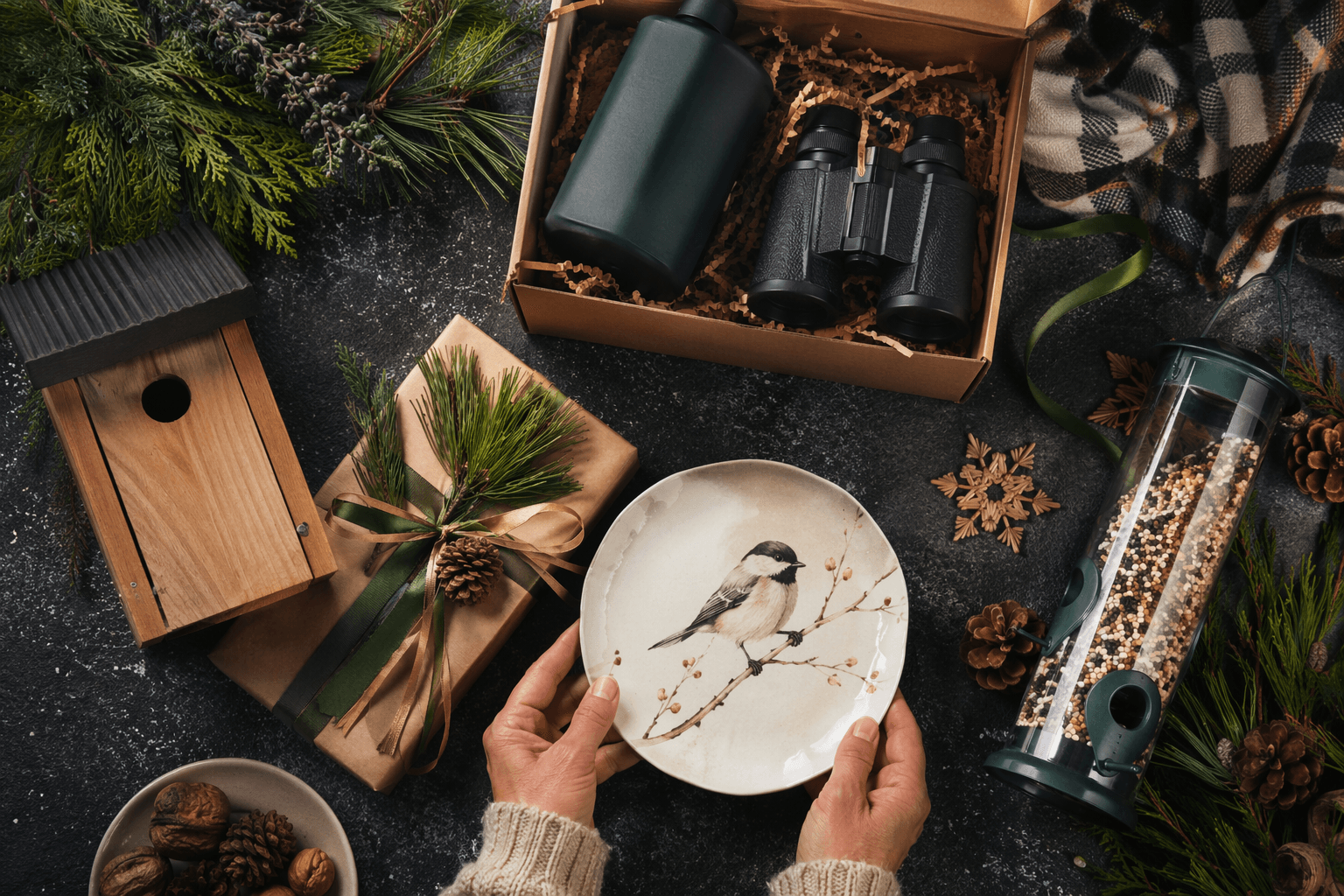
This is the kind of present that deepens the hobby instead of decorating it. A smart feeder is more useful than a novelty mug because it creates a habit, and the Bird Buddy setup adds AI species recognition, photo capture, and phone alerts, which makes it especially good for families, beginners, or anyone who wants to learn birds without carrying a field guide everywhere.
For the birder who is ready to upgrade
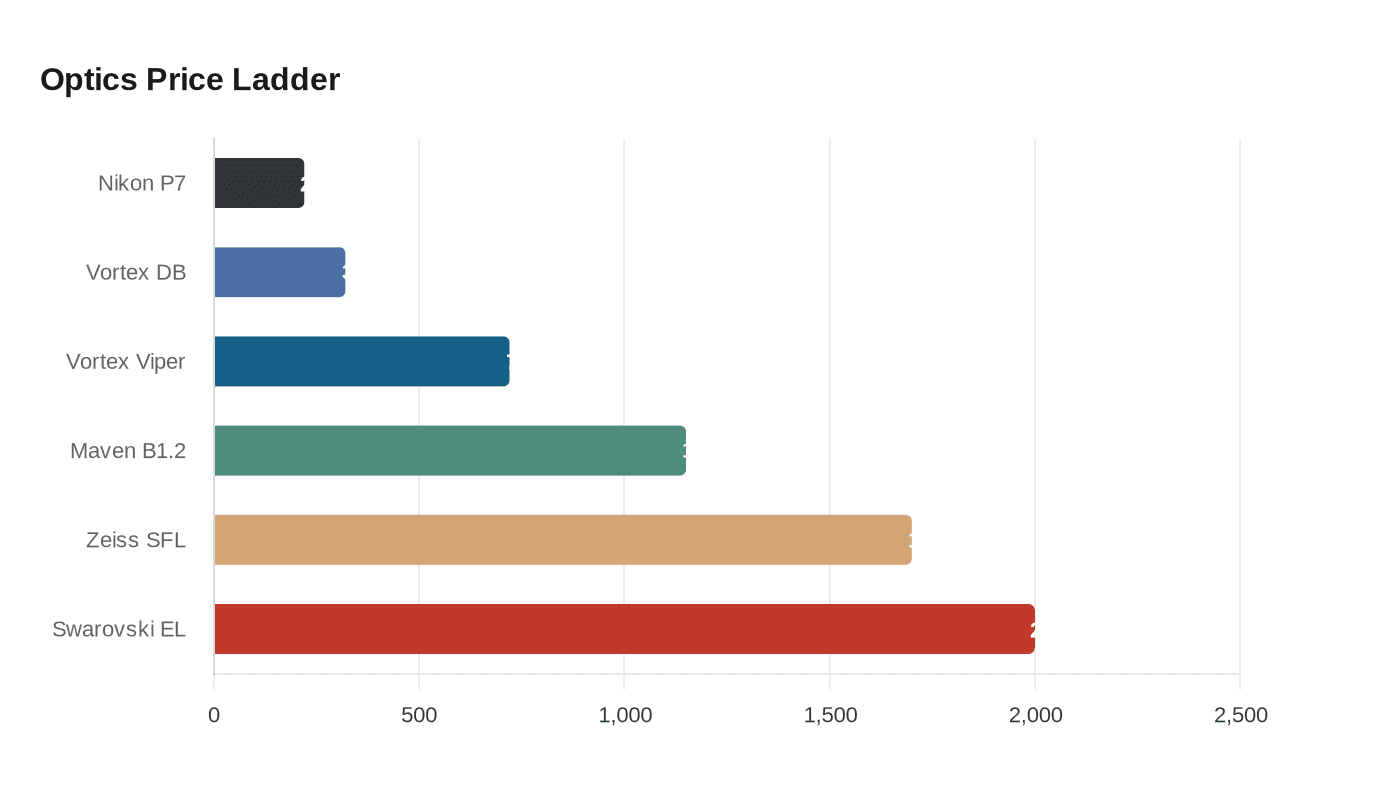
Once the recipient is beyond casual backyard watching, optics are the safest bet. Audubon’s guide builds a clean price ladder: the Nikon Prostaff P7 8x42 is $220, the Vortex Diamondback 8x42 is $320, the Vortex Viper HD 8x42 is $720, the Maven B1.2 8x42 is $1,150, the Zeiss SFL 8x40 is $1,700, and the Swarovski EL 8.5x42 is $2,000. That range tells you exactly who each gift is for, from the person who wants a first real pair to the one who has already decided birding is a long-term obsession.
For someone who travels light, the Nocs Zero Tube 10x25 Waterproof Monocular is a smarter buy than another bulky pair of binoculars. It is $179.95 on Nocs’ site, with a Rope Wrist Loop at $24.95 and a Photo Rig Smartphone Adapter at $39.95, which makes it a practical gift for hikers, park walkers, and anyone who wants something compact enough to live in a day bag. The appeal here is portability, not prestige.
For the person who wants the yard to become habitat
The most meaningful gift in this space may not sit on a shelf at all. Audubon says one of the best ways to attract birds to a yard, windowsill, or public space is by planting native plants, because native trees, shrubs, and wildflowers provide food and shelter. It also says even very small patches of habitat can help tired, hungry birds, especially during migration, which is the kind of fact that changes how you look at a patio, a stoop, or the strip of ground beside a driveway.
Audubon’s Plants for Birds effort is also pushing to get 1 million native plants in the ground, which gives this gift category a concrete conservation payoff. For the right recipient, the best present is not a themed object but a plan to plant local species, because the gift keeps working long after the holidays are over.
For the conservation-minded host
There is also a less obvious, very Audubon version of food gifting. Audubon’s Conservation Ranching program says more than 100 ranches and nearly 3 million acres have earned Audubon Certified Bird-Friendly Land status, and the bird-friendly seal identifies beef or bison products from land managed for birds and biodiversity. If you are buying for someone who likes to grill, host, or fill the freezer with purpose, this is the gift that connects dinner to grassland habitat.
That scale is the share hook: nearly 3 million acres is not a feel-good trinket, it is a working conservation network. Audubon’s point is that even a consumer purchase can support habitat when the land behind it is managed well, which gives this category a practical edge over the usual holiday food box.
Why Audubon’s guide keeps working
Audubon has been doing holiday gift guides for years, including one dated December 6, 2011 and an earlier bird-focused “Bird Buff” roundup in 2010. That history matters because it shows the curation is not a trend-chasing one-off, it is part of a long editorial tradition built around a simple idea: give something a person will use, and if possible let the purchase help birds too.
That is why this guide still feels useful. It does not confuse bird-themed clutter with good gifting, and it does not treat habitat as an afterthought. It picks gifts that help someone notice more, learn more, and, in a few cases, leave the landscape better than they found it.
Know something we missed? Have a correction or additional information?
Submit a Tip