Food and kitchen housewarming gifts beyond the usual bottle of wine
Pickle crocks, pasta-water candles and a whole ham leg make housewarming gifts feel far more memorable than a default bottle of wine.
A good housewarming gift does more than say congratulations. It makes the new place feel inhabited, gives the kitchen a head start, and earns its keep before the first week of unpacking is over. That is why the smartest food gifts are not the predictable bottle of wine, but the things that feel slightly surprising, useful, and just indulgent enough to live on the counter.
The housewarming gifts that start a conversation
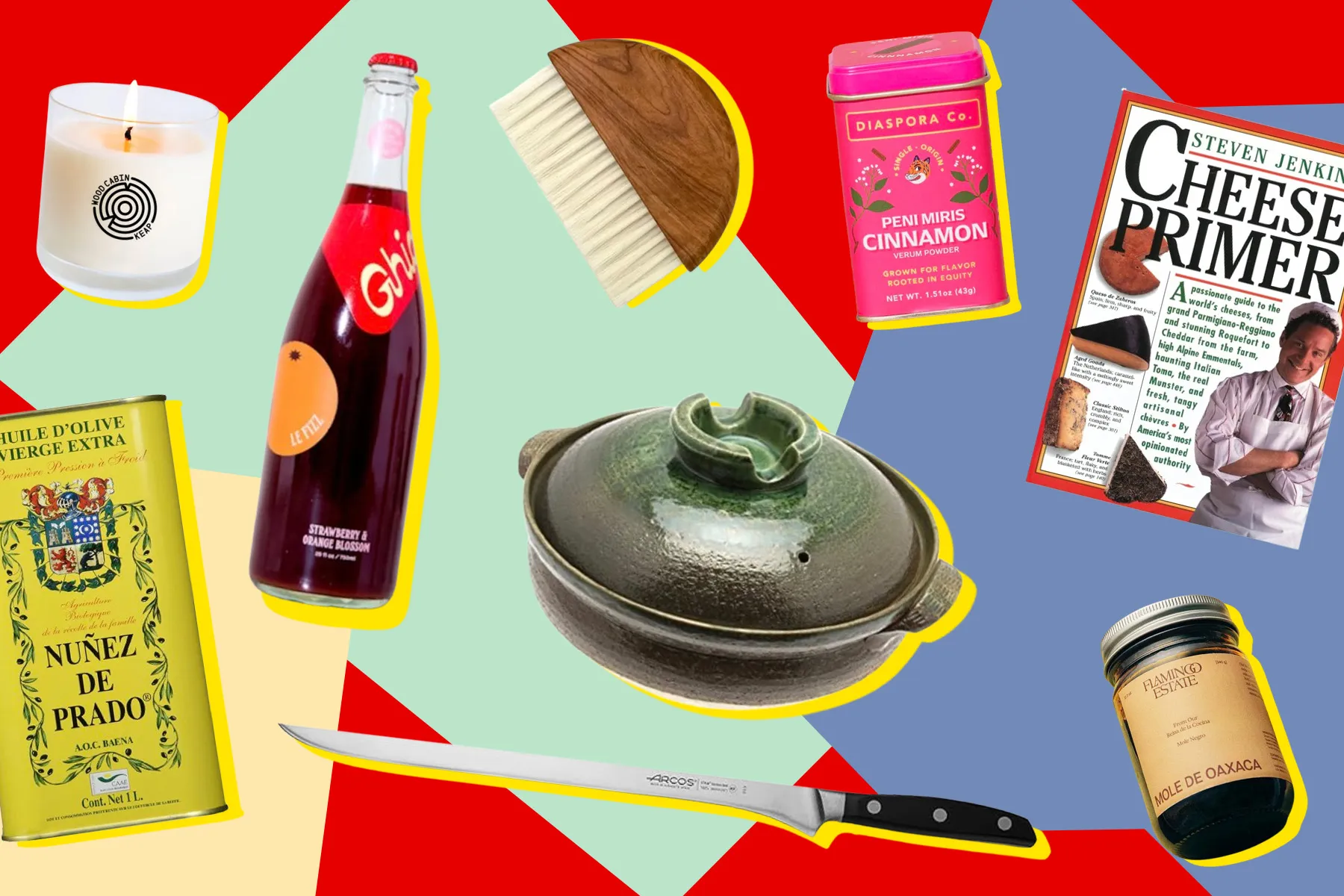
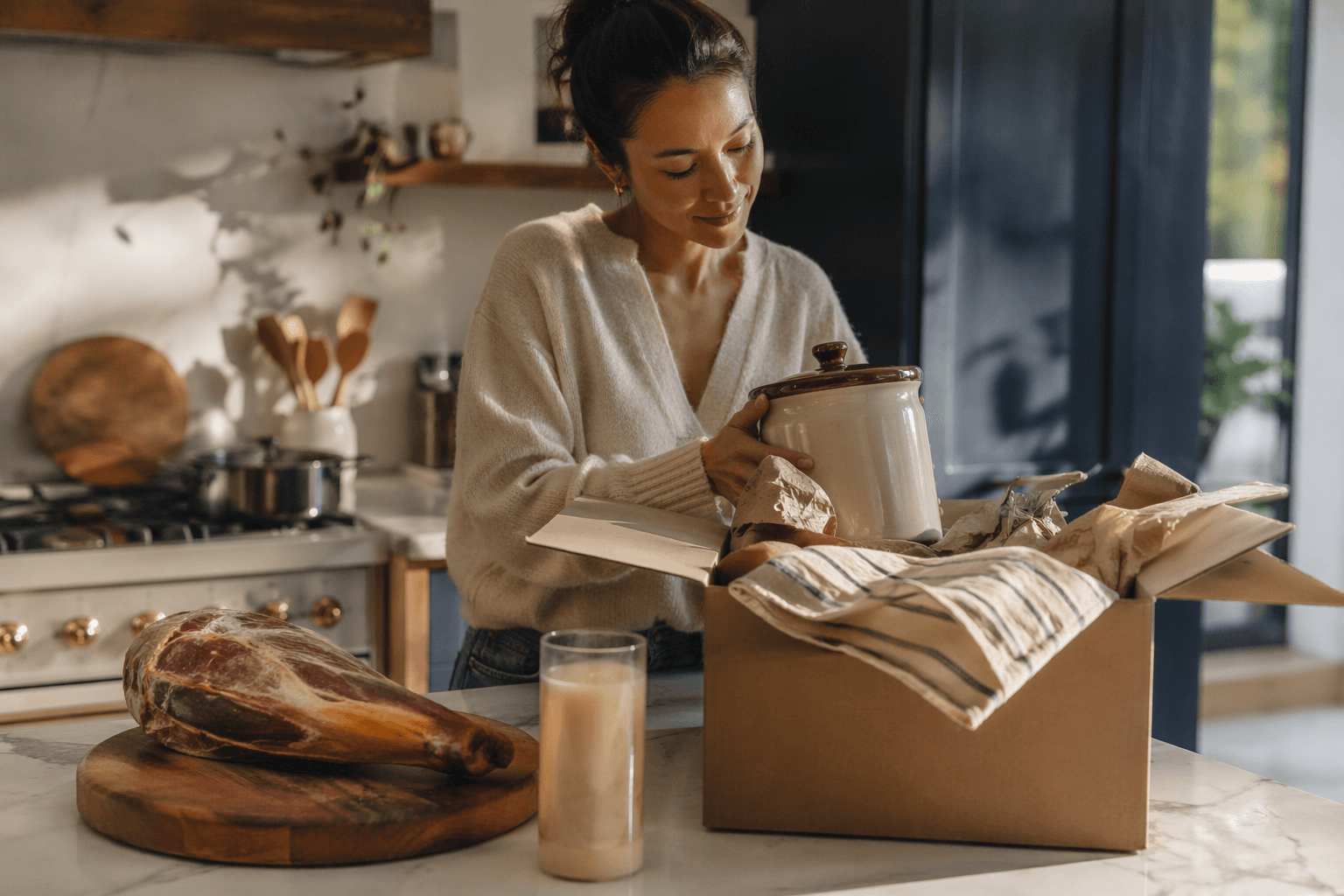
Eater’s “The Best Housewarming Gifts (That You’ll Want for Yourself)” lands on a simple idea: food and kitchen gifts are more memorable when they feel like a personality test. A pickle crock says the new homeowner already has opinions about pantry life. A pasta-water-scented candle is the sort of object that makes a kitchen smell like a joke only a serious cook would understand. A whole ham leg is pure spectacle, the kind of gift that announces there will be dinners, slicing, and possibly a crowd.
Those three picks work because they are practical in different ways. The pickle crock is for the friend who loves preservation, brine, and a shelf full of condiments that look better than they have to. The candle is for someone who wants the apartment to feel finished before the dishes are put away. The ham leg is for a household that entertains, carves, and serves food in a way that turns a move-in into an event.
Why food gifts feel more luxurious than another decor object
Food is one of the few housewarming categories that can be both useful and emotional on day one. It feeds the people moving in, fills a table, and makes the kitchen feel intentional instead of improvised. That is also why these gifts often read as more luxurious than a decorative trinket: they are consumed, used, and remembered.
Epicurious, in “The 72 Best Housewarming Gifts for People Who Love to Cook and Eat,” gives that instinct a sharper edge. Chinazor Offor and Emily Johnson open with the line that the giver is motivated “10% by kindness and 90% by an excuse to drop by and scope out the new place.” It is funny because it is true, and it explains why a thoughtful food gift lands so well. You are not just bringing something to fill a gap; you are bringing something that helps the house feel ready for company.
The traditional gifts still have real appeal
There is a reason old-fashioned housewarming gifts keep showing up in modern guides. Williams Sonoma lists candles, fragrances, bread, olive oil, wine, honey, knives, salt, and seasonings among the traditional choices, and the list still makes sense because each item is useful immediately. Bread and salt signal welcome. Olive oil, honey, and seasonings help a kitchen feel stocked. Knives and candles are the kinds of basics that can be appreciated long after the moving boxes are gone.
That classic lineup is also a good reminder that a housewarming gift does not have to be maximalist to feel generous. A well-chosen bottle of olive oil can be more elegant than a generic decor object, especially if the new homeowners cook often. A candle feels warmer when it is tied to the kitchen instead of the living room. Even wine, when chosen with care, remains a solid option, but it is no longer the only socially acceptable default.
Who each kind of gift is for
The pickle crock suits the host who is already building a pantry with intent. It feels especially apt for someone who likes fermentation, pickles, or any kitchen object that looks as if it belongs to a real cook rather than a showroom.
The pasta-water-scented candle is for the person who appreciates culinary in-jokes and design-forward gifts. It is not about usefulness alone, but about giving something that makes the kitchen feel clever and lived-in at the same time.
The whole ham leg is for the entertainer, the carver, the person who throws dinners that stretch well past dessert. It is the boldest of the bunch because it asks the recipient to do something with it, and that is exactly what makes it memorable.
The older standards still have their place for smaller budgets or safer gifting. Bread, salt, olive oil, honey, candles, and seasonings are the gifts that say you understand a new home needs basics before it needs accents. They are also easy to tailor to the recipient’s tastes without overthinking the gesture.
Why the etiquette still favors bringing something
The Epicurean Trader’s housewarming etiquette guide makes the underlying rule plain: hosts should receive a gift even if they say they do not need anything. That tracks with how housewarming gifts actually function. They are part practical, part social, and part permission slip to celebrate a new address without arriving empty-handed.
Eater places its roundup inside a broader Gift Guides hub and its Add to Cart series, which is fitting for a story built around useful, highly shoppable ideas. The article also carries Vox Media’s standard disclosure that it may earn commission if readers buy through links, a reminder that housewarming shopping now lives comfortably inside the modern affiliate-commerce ecosystem.
The best food-and-kitchen housewarming gift does not need to be expensive to feel elevated. It needs a point of view, a reason to exist in the kitchen, and enough charm to make the new place feel like it already belongs to the people moving in.
This article was produced by Prism’s automated news system from verified source data, official records, and press releases, then run through automated quality and moderation checks before publishing. The system is built and supervised by the people who set the standards it runs under. Read our full AI policy.
Did this article answer your question?