Japanese housewarming gifts, what to give and what to avoid
Japanese housewarming gifts work best when they are wrapped, shareable consumables, chosen for symbolism and ease rather than price. Skip lilies; think sweets, senbei, tea, and neighbor-friendly soba.

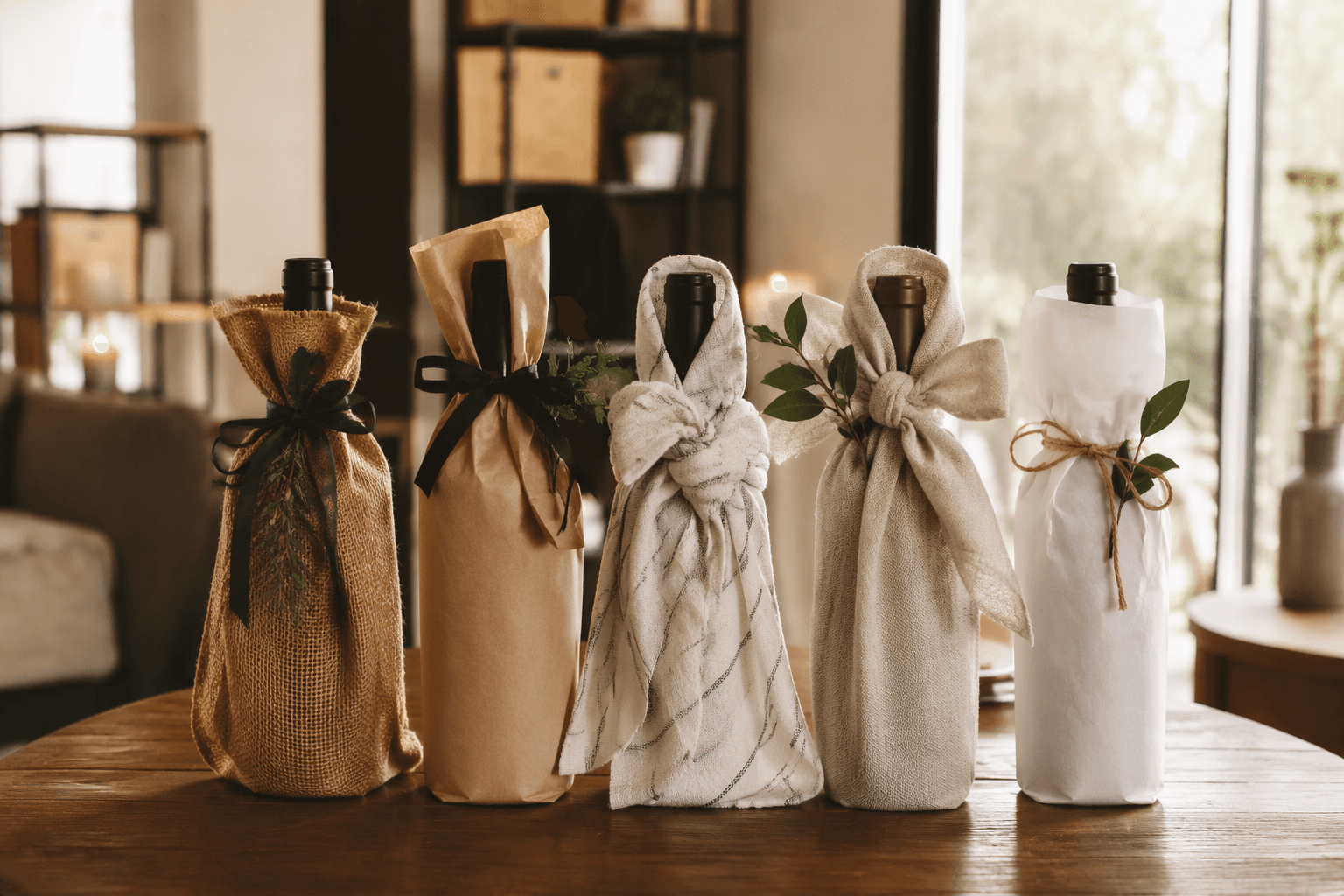
A neatly wrapped box of sweets, a packet of senbei, or a tea assortment can earn its place in a new Japanese home immediately. They fit the Japanese preference for thoughtful presentation, social usefulness, and good wishes that go beyond the object itself.
Why the packaging matters as much as the gift
Wrapped presents are deeply ingrained in daily life, and omiyage, the gifts people bring back for others, are often pre-wrapped local specialties sold at stations and airports. That is why a housewarming gift should feel polished before it is even opened: the outer presentation signals care, and the contents should be easy to share, store, or use right away.
The point is not to impress with expense, but to send the right wish. The most fitting gifts are tied to health, happiness, peace, wealth, or fertility, which means a smart choice can be modest in cost and still feel luxurious because it is culturally legible.
Wrapped sweets: the safest first choice
A boxed sweet assortment is one of the most reliable gifts for a Japanese host because it solves two etiquette problems at once. It is easy to serve if neighbors or friends stop by during the first week, and it does not impose a long-term burden on a household that is still unpacking. In a culture where presentation carries meaning, a carefully wrapped confection box feels considered without being presumptuous.
This is the kind of gift that feels expensive even when it is not. The polish comes from the packaging, the balance of flavors, and the fact that it can be opened, shared, and finished without creating clutter in a still-settling home.
Senbei for the host who prefers savory over sweet
Senbei belong on any serious housewarming list because they are practical, shareable, and deeply familiar in Japanese gift culture. Sweets and senbei fit the omiyage tradition of pre-wrapped edible gifts, which makes them ideal when you want something friendly but not flashy.
They also solve a simple hosting problem: not every household wants dessert after a move, but almost everyone can offer packaged rice crackers to a visitor.
Tea sets and tea assortments for a home that will host
Tea is one of the most useful housewarming gifts because it fits the rhythm of early visits. It is simple to serve, easy to store, and immediately useful when someone drops by to congratulate the new homeowner. A compact tea set or a curated tea assortment also feels refined without becoming decorative clutter.
That practicality matters in a new home, where counter space is limited and routines are still forming.
Omiyage-style local specialties for a gift that feels locally grounded
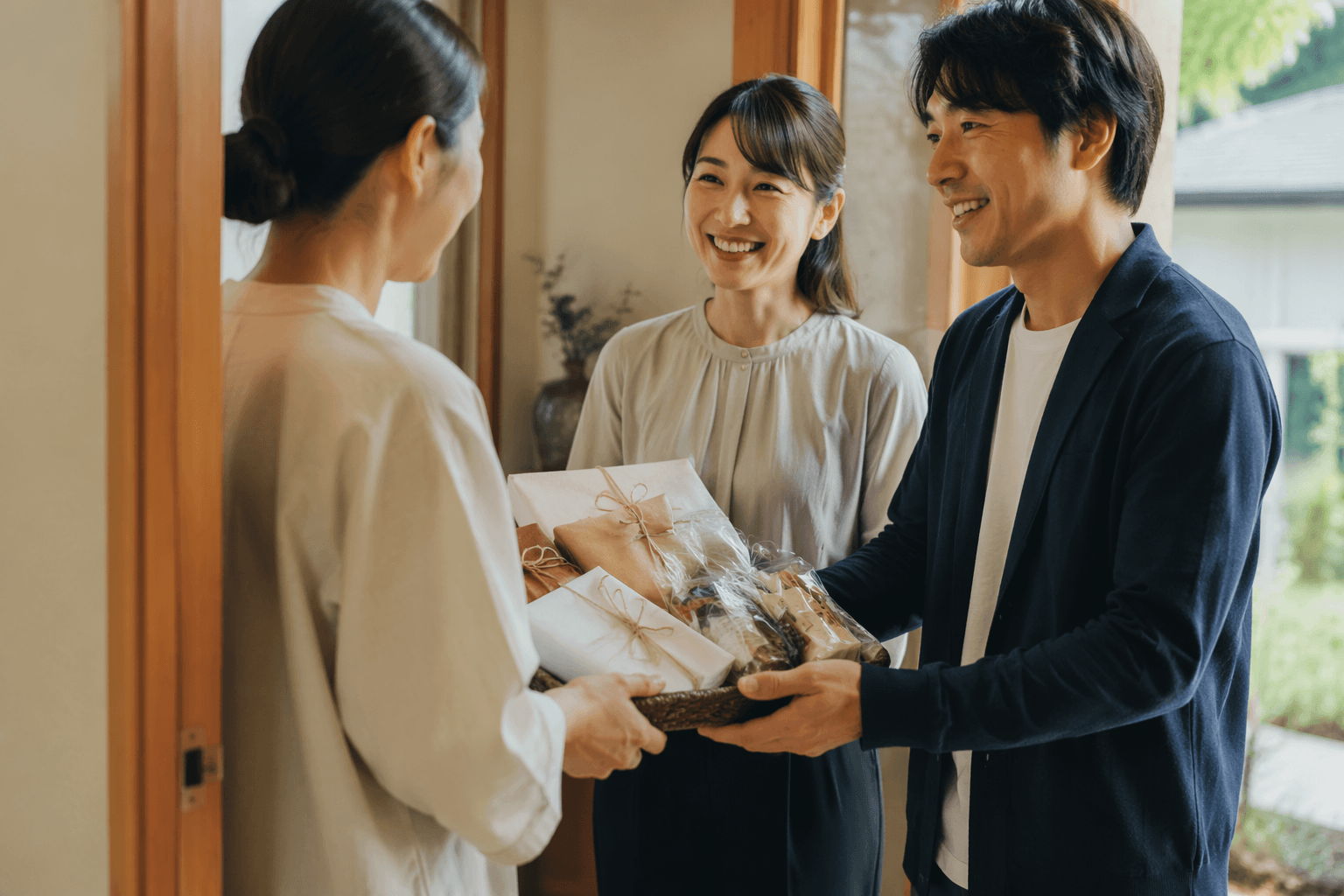
Local specialties packaged with care are another strong choice because they reflect the omiyage logic that shapes Japanese gift culture. These gifts are often sold pre-wrapped at stations and airports, and the appeal is partly that the packaging is almost as important as what is inside.
For a housewarming, that makes an omiyage-style box both gracious and practical. It gives the host something easy to offer to visitors.
Soba for a move-in gesture that extends beyond the front door
If the gift is meant for neighbors as well as the main host, soba becomes especially meaningful. The moving-in custom known as hikkoshi soba is a neighbor gift, and a Macromill survey of 1,696 people ages 18 to 59 found that only 27% identified the correct meaning, gifting soba to new neighbors after moving, while 49% thought it meant eating soba after moving. That confusion makes the custom easy to overlook, but it is a useful reminder that Japanese housewarming etiquette often reaches beyond one household.
Soba works because it is humble, symbolic, and easy to distribute.
What to avoid, and why lilies are a bad idea
The clearest housewarming mistake is giving lilies. Lilies are inappropriate in Japan because they are associated with funerals, and that association matters more than how beautiful the flowers may look in another context. Japanese funerals are mainly Buddhist and commonly involve money gifts and incense, which helps show why funeral-linked flowers carry the wrong message in a celebratory setting.
Long-held ideas about taboo gifts are evolving as society changes, but the safest path is still to avoid anything that could be read as a mourning object, an awkwardly personal item, or a gift that creates work for a household still getting settled.
A short sidebar on neighbor gifts
The Japanese housewarming tradition often includes neighbors, not just the person who moved. That is where temiyage comes in: a moving-in courtesy that helps a new resident introduce themselves and establish goodwill with the people next door. In practice, this is where smaller, wrapped consumables shine, because they are easy to hand over, easy to accept, and unlikely to put anyone on the spot.
This article was produced by Prism’s automated news system from verified source data, official records, and press releases, then run through automated quality and moderation checks before publishing. The system is built and supervised by the people who set the standards it runs under. Read our full AI policy.
Did this article answer your question?