Practical Housewarming Gifts That Delight Any New Homeowner, Any Budget
Skip the dusty decorative bowl. The best housewarming gifts solve a real problem in the first week, and most cost under $50.
Nobody needs another scented candle sitting on a bare counter next to a box of moving tape. The housewarming gift that actually lands is the one that gets used before the furniture is even arranged — the coasters that appear the first night friends come over, the spice set that makes the first home-cooked meal feel intentional, the plant that makes an empty windowsill look like someone actually lives there. Getting it right is less about budget and more about timing: think about what a new mover desperately lacks in week one, then give them exactly that.
The first-week problem nobody talks about
Moving day ends and the practical gaps become obvious fast. There are no coasters for the coffee table that hasn't arrived yet. The kitchen has a stove but nothing interesting to cook with. The entryway is a pile of shoes and cardboard. The bathroom feels like a hotel. These are the friction points a well-chosen housewarming gift can quietly solve, and they have almost nothing to do with matching someone's aesthetic.
This is also why overly specific décor — a boldly patterned throw pillow, a statement wall print, a decorative figurine — is the category most likely to end up quietly donated six months later. Unless you know someone's style intimately (and even then, moving can mean a total style reset), the safest and most genuinely appreciated gifts are the ones that disappear into everyday use rather than sit on a shelf demanding to be admired.
Under $25: the grab-and-go gifts that actually work
At this price point, the goal is consumable or universally useful. A low-maintenance houseplant in a simple decorative planter threads both: a pothos or snake plant costs $15 to $20 at most garden centers and nurseries, thrives on neglect, and makes a bare corner feel inhabited immediately. Unlike cut flowers, it doesn't die before the boxes are unpacked.
A durable set of coasters, specifically cork or silicone rather than the flimsy cardboard variety, runs $12 to $20 and solves a problem that starts on move-in day. Most people forget to buy coasters until someone sets a wet glass down on a new table. Being the person who thought of it first earns real points.
A curated spice or oil set from a specialty retailer like The Spice House sits right at the $25 ceiling and is one of the few gifts that works for every kitchen, whether the recipient cooks seriously or mostly does delivery. The key is buying a curated set rather than a single bottle — it signals thoughtfulness, and there's something about having five interesting spices lined up on a counter that makes a kitchen feel ready.
Under $50: when you want to give something they'll remember
The $25 to $50 range is where you can afford to pair a physical object with a consumable upgrade, and that pairing is what makes a gift feel curated rather than grabbed off a shelf. A clean linen kitchen towel set alongside a bottle of good olive oil and a small jar of finishing salt is under $45, takes about ten minutes to assemble, and is one of those combinations that makes the recipient feel like they have a friend with taste.
Pampering items are reliably strong here. A quality bath or body set, particularly something from a recognizable small-batch brand like P.F. Candle Co. (their Amber & Moss soy candle is $24 and consistently well-reviewed), gives the new homeowner permission to stop unpacking for an hour. New movers are exhausted, and a gift that signals "you're allowed to rest" is more meaningful than it sounds.
Organization helpers round out this tier well. A magnetic knife strip, a set of stackable storage containers, or a simple entryway hook rail all solve the aesthetic chaos of the first few weeks without requiring the giver to know anything about the recipient's decorating style. These are gifts that work in a studio apartment and a four-bedroom house equally.
The pop-in vs. invited tour decision
How you're showing up matters as much as what you bring. Here's how to read the room:
- Casual pop-in, no formal invitation: Keep it small and consumable. A good bottle of wine, a plant under $20, a box of specialty coffee or tea, or homemade cookies. Nothing that needs to be unwrapped ceremonially or stored somewhere specific. You are a guest at a chaotic moment; your gift should require zero decisions from the host.
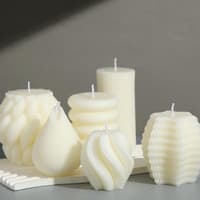
- Invited to a proper housewarming party or tour: This is the occasion for a more considered gift. Spend $35 to $75. Go for something in the kitchen basics or pampering categories. If you're close enough to know their taste, a coffee table book, a curated oil and spice bundle, or a quality throw blanket is exactly right. If you're still not sure about their style, stay in consumable territory: a beautiful candle, a nice bottle of something, a hosted dinner offer written on a card.
- You are a close friend or family member: You've earned the right to ask directly what they need. First-time homeowners almost always need tools (a basic hammer and drill set runs $40 to $60 and gets used within the first week), a first-aid kit, or a set of wine glasses that aren't the ones from college. Prior homeowners often have all of this; an experience gift, like a restaurant gift card for a place near their new neighborhood or a cleaning service session, is more likely to feel genuinely useful.
The renter vs. homeowner variable
If the recipient is renting, avoid anything that requires drilling or permanent installation. A tension-rod curtain system, removable wall hooks, or a freestanding shelving unit all work in a rental without voiding a deposit. Homeowners, on the other hand, will actually use that nice doormat or the outdoor planter set; renters may not have a porch.
Small-space movers (studio apartments, city condos) benefit most from gifts with dual purposes: a cutting board that doubles as a serving board, a storage ottoman, a magnetic spice rack that frees up counter space. The worst gift for a small space is anything that adds visual clutter without adding function.
The elevation move: pair small with consumable
The single best technique for making a modest budget feel generous is pairing a small physical item with something that gets used up. A $15 ceramic mug paired with a bag of single-origin coffee from a local roaster costs $30 total and feels like two gifts. A $12 set of coasters next to a bottle of sparkling wine is a complete "first night in the new place" kit. The Spruce's editorial team has long championed this approach: a small physical anchor plus a consumable experience is almost always more memorable than one larger object at the same price point.
Experience gifts follow the same logic at any budget. A gift card to a restaurant in their new neighborhood doubles as both a welcome and a local recommendation. An offer to help them hang pictures one afternoon, written on a card, costs nothing and gets used more reliably than most objects.
The one rule that covers every budget
Skip the décor unless you're certain. Choose the plant, the spice set, the coasters, the consumable bundle. The best housewarming gift is the one that makes the first week feel a little less like camping in your own home, and a little more like living.
Know something we missed? Have a correction or additional information?
Submit a Tip