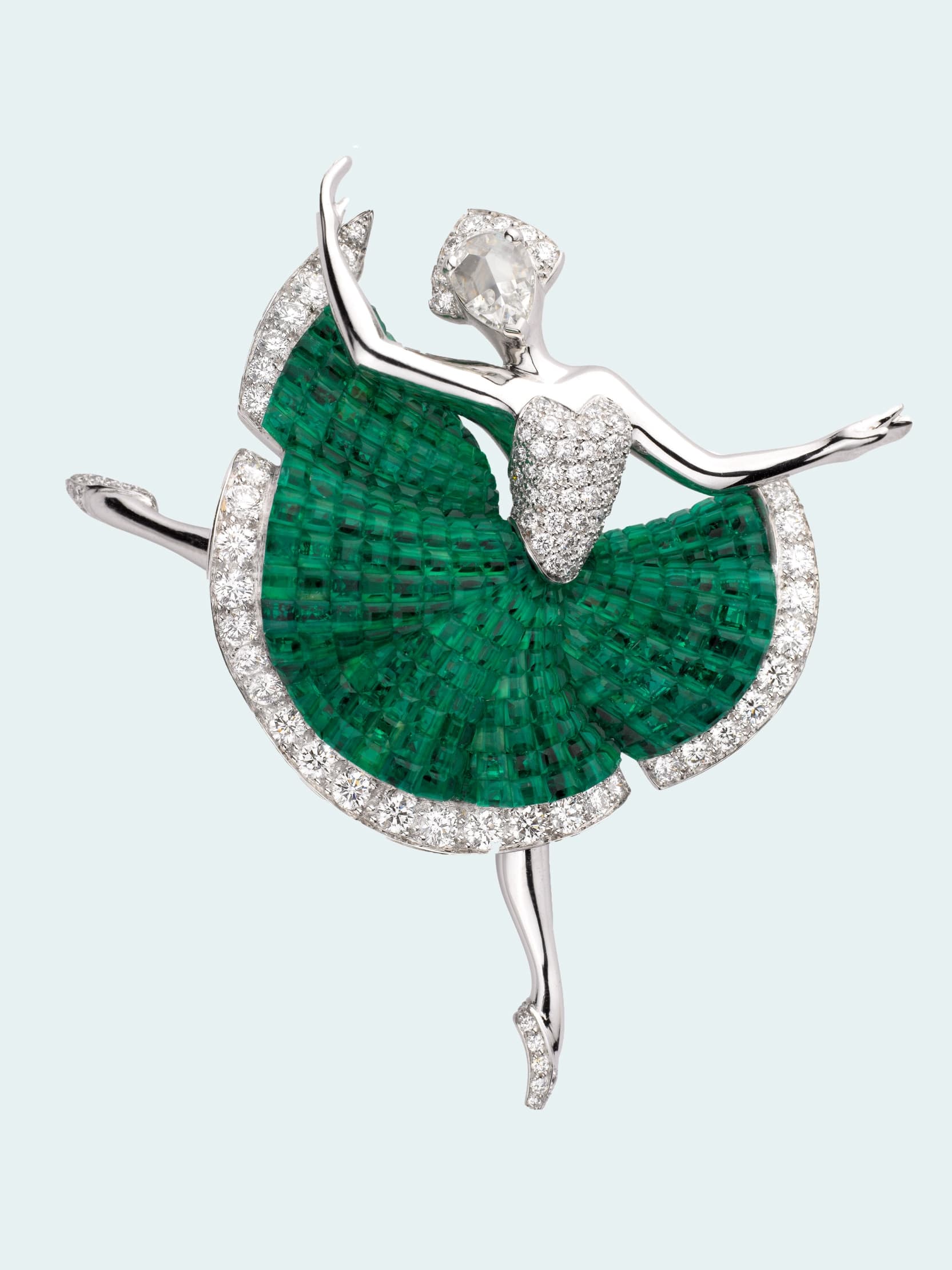
Comité Colbert brings French luxury treasures to The Shed in New York
Sixty-five French maisons turn archive pieces into gift ideas at The Shed, with collectible clues across fragrance, jewels, spirits, and crystal.
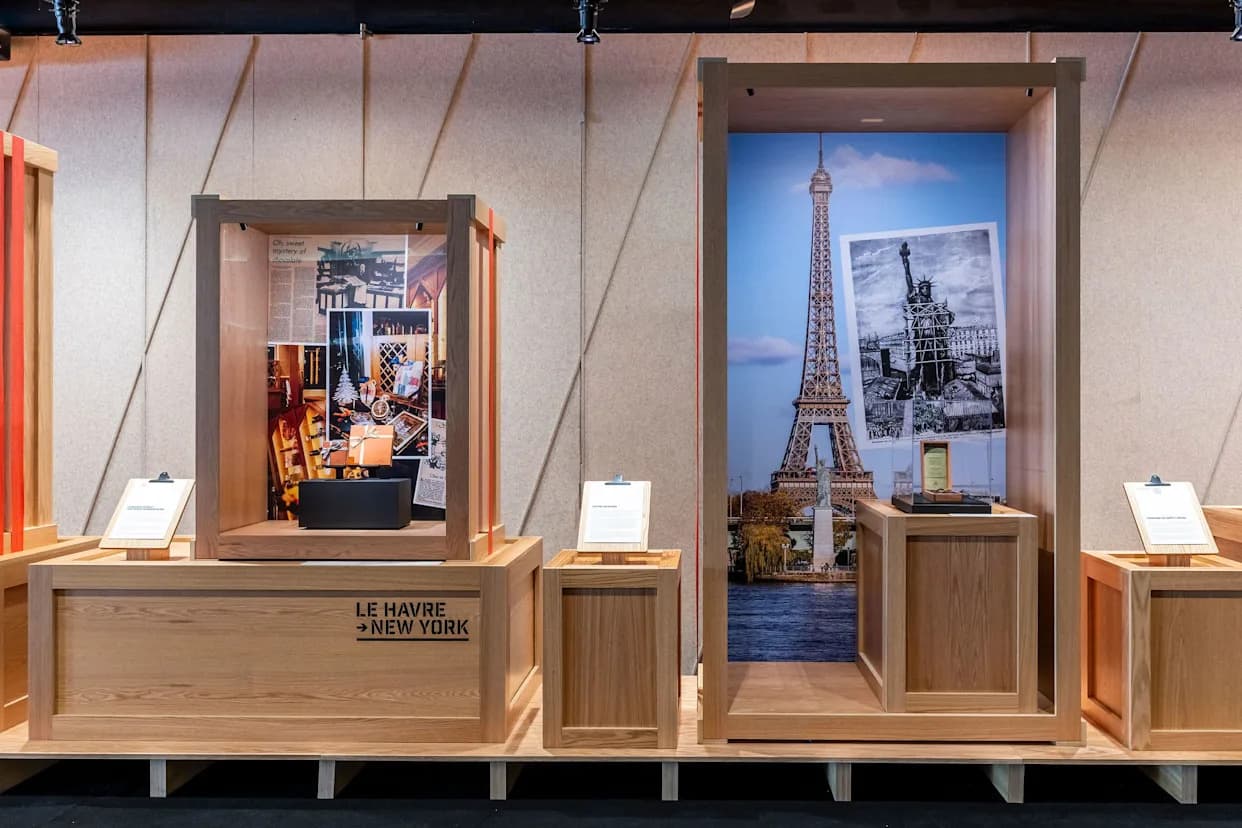
The new luxury gift map
Comité Colbert’s “Hidden Treasures, 250 Years of Franco-American Luxury Stories” turns The Shed into a sharp lesson in what makes a luxury gift feel unforgettable: provenance, restraint, and a story that carries past the moment of giving. More than 65 French maisons and cultural institutions are represented through a single dedicated artifact or shipping-case display, a format that gives each object the gravity of a museum loan and the intimacy of something meant to travel home.
That matters because the best gifts now are not always the most expensive ones. They are the ones that feel chosen with a clear point of view, and this exhibition shows how French luxury still sets the standard for that kind of emotional precision. The show runs at The Shed in New York from May 26 to May 31, 2026, with public hours Tuesday through Saturday from 11 a.m. to 7 p.m. and Sunday from 11 a.m. to 5 p.m. Tickets were listed to go on sale April 24, and the presentation is organized with Villa Albertine, Lizzie and Jonathan Tisch, JCDecaux, Women’s Wear Daily, The Wall Street Journal, and the ISG Luxury Program.
Why this show matters to gift buyers now
Comité Colbert was founded in 1954, and today it brings together 96 French luxury maisons, 17 cultural institutions, and 6 European luxury maisons. That scale matters because it explains why the exhibition feels less like a single brand moment and more like a map of the categories people actually give when they want the present to carry weight: fragrance, jewelry, spirits, and objects with enough craftsmanship to outlast the occasion.
The framing is also unusually timely. Comité Colbert followed its 2024 Shanghai exhibition, “Jeux de Mains,” with this New York presentation as part of a renewed focus on the U.S. market. Bénédicte Épinay positions French luxury not as decoration, but as a force that has shaped cultural diplomacy and shared influence for more than two centuries. That is exactly why these houses still matter in gifting: they do not just sell objects, they sell continuity.
A two-wave study by The Heart Monitors, based on 600 American consumers aged 18 to 60 who had bought French products in the previous year, gives the point added commercial force. Forty-six percent said their perception of French products did not change despite tariff-driven price increases, and France remained the leading country whose products were considered worth buying at 61 percent, ahead of Italy at 57 percent. In other words, the desire for French luxury is still strong enough to survive a higher ticket.
The categories with the clearest gift potential
Fragrance
Fragrance is the most immediate translation of this exhibition into gift buying because it already behaves like a memory object. A perfume can be personal without being presumptuous, and it can feel rare even at a relatively moderate price if the presentation, story, and composition are right. When a maison is shown as an archival artifact rather than a marketing statement, the message to buyers is simple: fragrance becomes more desirable when it feels like a piece of heritage rather than a seasonal release.
That is where French fragrance houses retain their advantage. A well-chosen scent offers the best version of luxury gifting economics: it can be accessible, but still feel deeply considered. The right bottle says you paid attention to taste, ritual, and the recipient’s habits, not just to the price tag.
Jewelry
Jewelry is the clearest high-stakes gifting category in the show because it naturally lends itself to milestone moments, from anniversaries to push presents to retirement gifts. The exhibition’s single-object approach is especially useful here. When one jewel stands in for an entire maison, it reminds you that collectible value often comes from design lineage, not size alone.
This is where French jewelers remain especially persuasive for buyers who want the gift to be worn, not stored. A piece with archive-inspired detailing or a recognizable house language does more than sparkle. It marks the occasion in a way that feels intentional enough for a lifetime of repetition, which is the real test of a luxury gift.
Spirits
Spirits belong in this conversation because they are one of the rare luxury categories that can be both consumable and collectible. The exhibition’s cross-category structure suggests exactly why a bottle from a French house can feel like a smarter gift than a generic premium label: the bottle itself often matters as much as what is inside it. A spirit with heritage, presentation, and a reason to be kept after pouring becomes part of the evening rather than just part of the bar cart.
For gifting, that gives spirits a useful double life. They can serve the celebration immediately, then stay behind as an object with display value. That is a stronger proposition than the usual bottle-service logic, because it turns the gift into a memory attached to a design object.
Objects and crystal
The objets category is where the exhibition becomes a master class in quiet luxury. A piece of crystal or a decorative object may not generate the instant emotional reaction of a jewel box or perfume flacon, but it often wins in longevity. Baccarat is the obvious name to hold onto here, because crystal sits so naturally at the intersection of collectibility, table culture, and heirloom appeal.
This is the part of the show that most clearly points to the next wave of luxury gifting. A beautiful object on a shelf, a tray on a console, a vase on a dining table, these are gifts that keep working long after the ribbon comes off. They also show why French maisons remain so influential: they understand that the best-presented object does not need to shout to feel expensive.
What to take away before you buy
The exhibition’s strongest lesson is that luxury gifting is moving toward objects with a verifiable story and a visible point of view. The shipping-case display format, the five thematic chapters, and the emphasis on one artifact per maison all reinforce the same idea: the most persuasive gift is the one that looks as if it arrived from a larger cultural history, not from a display case alone.
That is what makes “Hidden Treasures” useful beyond the walls of The Shed. It does not simply celebrate French luxury. It shows exactly why archive-driven fragrance, jewelry, spirits, and crystal continue to win when the gift has to feel both beautiful and inevitable.
This article was produced by Prism’s automated news system from verified source data, official records, and press releases, then run through automated quality and moderation checks before publishing. The system is built and supervised by the people who set the standards it runs under. Read our full AI policy.
Know something we missed? Have a correction or additional information?
Submit a Tip