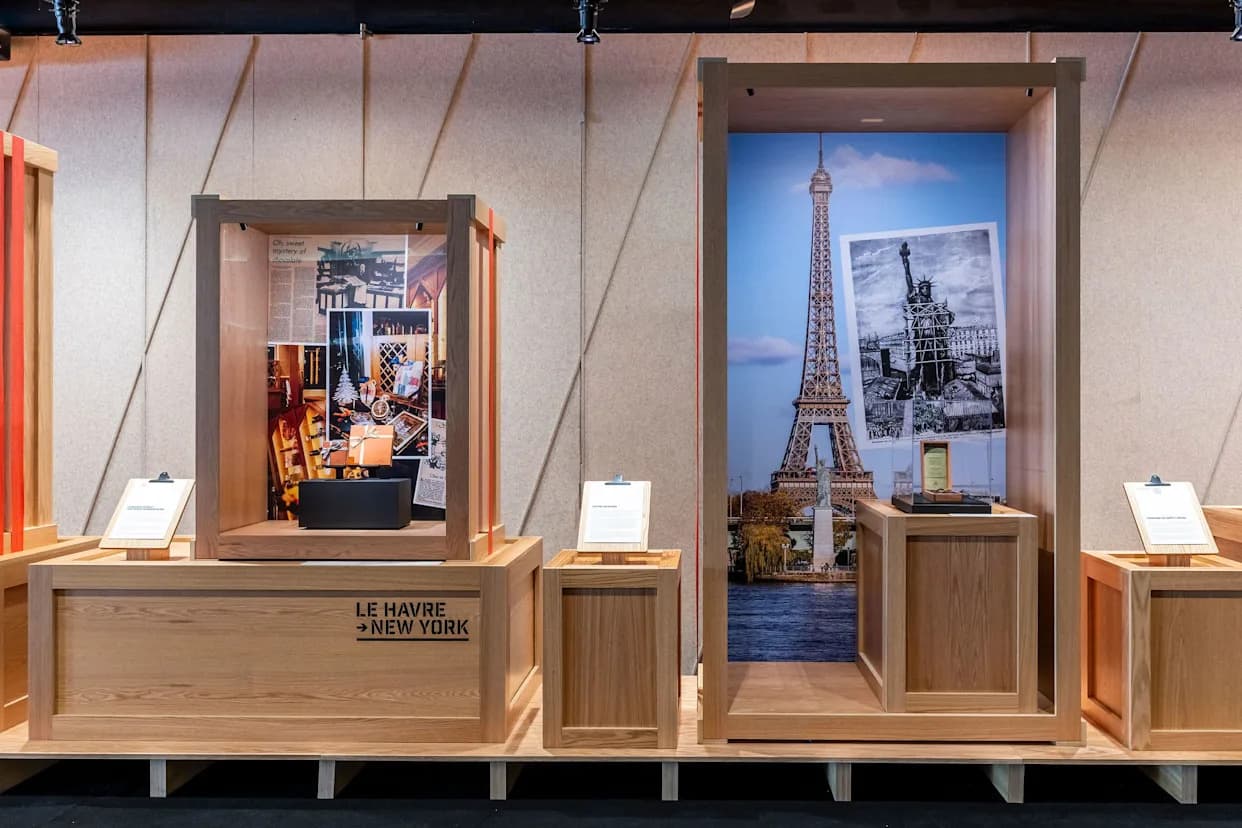
Van Cleef & Arpels dances through jewelry heritage, from ballerinas to Balanchine
Van Cleef & Arpels turned ballet into one of jewelry’s most recognizable signatures, and that history makes its figurative pieces especially giftable.
The ballerina that made the house legible at a glance
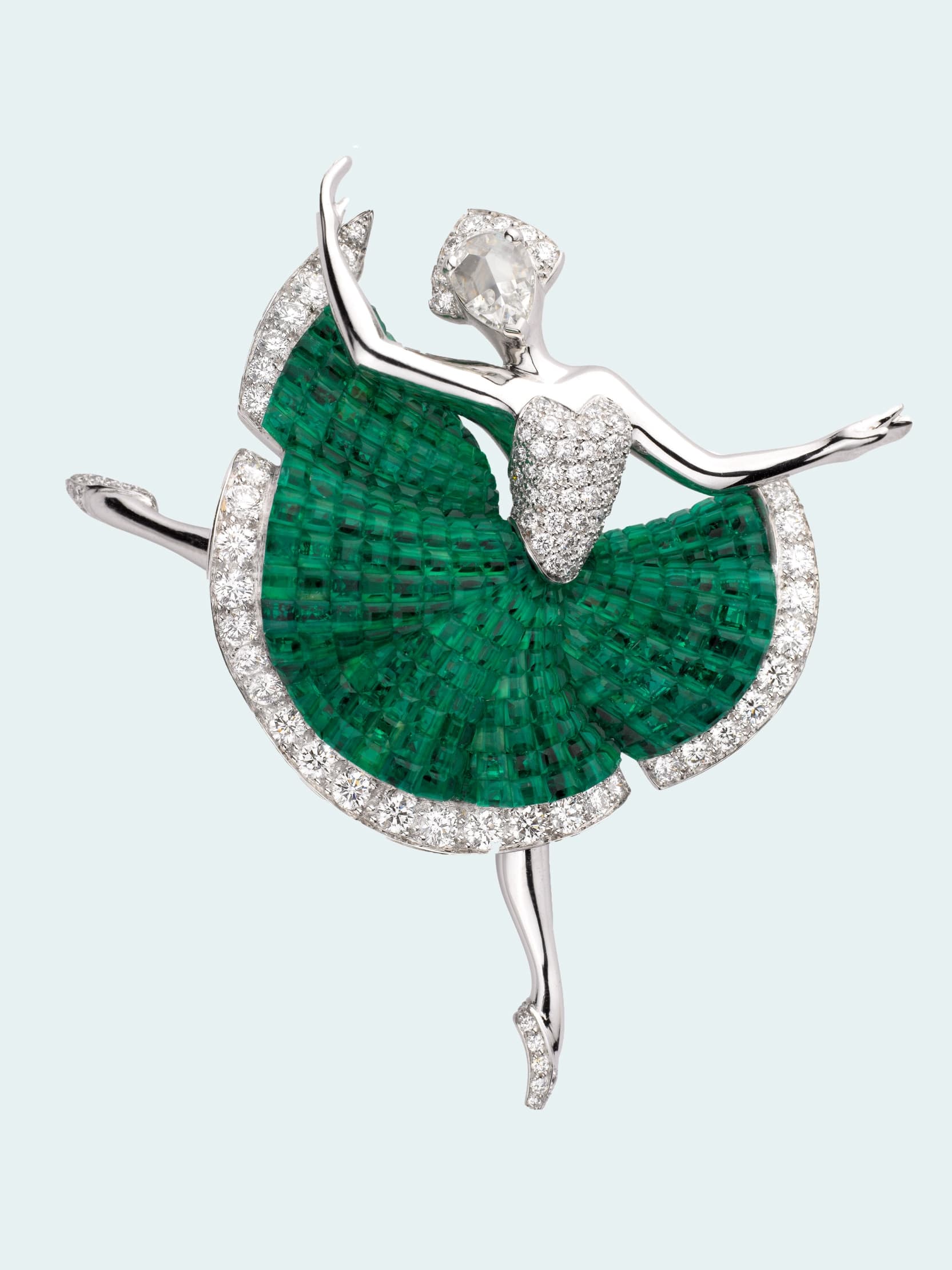
A Van Cleef & Arpels ballerina is never just a pretty clip. It is one of the clearest examples of how a jewelry motif can become a house language, then a gift with instant emotional and cultural recognition. The appeal is not only in the sparkle but in the fact that the image itself, a dancer in motion, carries the memory of the house’s longest-running artistic obsessions.
That is why pieces tied to this story read as especially strong milestone gifts. They do what the best luxury presents should do: they feel personal, but they also arrive with a public pedigree. A figurative Van Cleef & Arpels jewel says you understand craftsmanship, yes, but also the cultural code behind it.
How the dance story began at the Paris Opera
The bond stretches back to the 1920s, when Louis Arpels took Claude Arpels to the Paris Opera. That early immersion in ballet set the emotional tone for a design lineage that would later become one of the maison’s most recognizable signatures. By the early 1940s, Van Cleef & Arpels had created its first ballerina clips, and the house’s own timeline identifies 1941 as the year of the first ballerina and fairy clips.
What made those early figures so memorable was the precision of their construction. Van Cleef & Arpels describes them as having rose-cut diamond faces, precious headdresses, and pointe shoes and tutus made of diamonds or colored stones. The result is a figure that is delicate at first glance, then unexpectedly elaborate when you look closer, exactly the kind of detail that turns a jewel into a keepsake.
The maison says those ballerina figures became signature pieces, and the first ballerina clips helped inaugurate an emblematic tradition alongside the Little Winged Fairy clip, later called Spirit of Beauty. That matters for gifting because signature status changes the meaning of a present. You are not just giving an object; you are giving one of the forms by which the house is known.
Why the Balanchine chapter deepens the value
The story gained another layer in 1961, when Claude Arpels met George Balanchine. New York City Ballet says Balanchine had already been introduced to Claude Arpels in 1939 by violinist Nathan Milstein, but the relationship took on new force after a 1966 visit to Van Cleef & Arpels’ Fifth Avenue salons. From that visit came the spark for Jewels, a ballet that premiered in New York in April 1967.
That ballet is central to understanding why the motif has enduring gift appeal. Jewels was built in three sections, Emeralds, Rubies and Diamonds, and New York City Ballet notes that Balanchine had considered pearls and sapphires as well. The concept links gemstone iconography to movement, which is exactly what Van Cleef & Arpels has always done best: translating the softness of dance into the hardness of precious materials without losing grace.
For a gift giver, this is the point where the motif becomes more than decorative. A ballerina, fairy, or gem-linked Van Cleef & Arpels piece carries the legacy of a real artistic exchange, not just a style reference. That makes it especially powerful for anniversaries, promotions, significant birthdays, and collector moments where provenance matters as much as visual beauty.
What makes these pieces feel so special as gifts
The strongest gifts from this lineage have three things in common: recognizability, craftsmanship, and narrative clarity. You can identify them instantly, yet they reveal more the longer you live with them. Their appeal is not abstract luxury, but a specific image language that has been refined over decades.
- The ballerina figures are small enough to feel intimate, but detailed enough to reward close looking.
- Rose-cut diamond faces and jeweled tutus give them a handcrafted richness that reads as old-world and exacting.
- The fairy and ballerina forms connect directly to 1941, which gives the gift a dateable heritage instead of generic prettiness.
- The later Balanchine connection adds a second layer of cultural prestige, linking the jewel to one of ballet’s most important creative names.
That combination is rare. Plenty of luxury houses make beautiful figurative jewelry, but few have a motif that is so immediately legible and so deeply tied to a specific artistic tradition. For the recipient, that means the piece feels chosen with intelligence, not impulse.
Why Dance Reflections keeps the story current
The house has not treated this history as a museum case. Through Dance Reflections by Van Cleef & Arpels, the maison continues to support choreographic culture in a contemporary way. The program is guided by creation, transmission and education, and it is designed to support artists and institutions that present modern and contemporary choreographic repertory while encouraging new productions and broader public access.
That is the modern luxury move worth noting: the heritage is not frozen. It is activated through sponsorships and presentations that keep the ballet connection culturally alive. Van Cleef & Arpels supported Balanchine’s Jewels by Hong Kong Ballet as part of the French May Arts Festival 2021, a reminder that the house’s relationship to dance still extends beyond display cases and archives.
For a gift, that continuity matters. It means a ballerina-inspired piece does not simply reference the past. It belongs to a living narrative in which performance, patronage and craftsmanship continue to reinforce one another. That is a far more compelling proposition than buying a logo alone.
How to choose the right piece from this heritage
When you are choosing from this universe, the smartest purchases are the ones that make the lineage obvious without needing explanation. The best examples are the figurative clips and jewels that preserve the silhouette of a dancer or fairy, especially those that echo the early house codes from 1941. If the piece carries the balance of precision and lightness that defined the originals, it will read as special immediately.
The most resonant gift is the one that connects form to story. In Van Cleef & Arpels’ case, that story runs from the Paris Opera to Fifth Avenue, from Louis Arpels’ early ballet devotion to Claude Arpels’ meeting with Balanchine, and from a ballerina clip to Jewels on the New York stage. That is why the motif still feels so legible as an ultra-luxury present: it is beautiful, but it also knows exactly where it came from.
This article was produced by Prism’s automated news system from verified source data, official records, and press releases, then run through automated quality and moderation checks before publishing. The system is built and supervised by the people who set the standards it runs under. Read our full AI policy.
Know something we missed? Have a correction or additional information?
Submit a Tip