Grant Macdonald London shares the do's and don'ts of luxury gifts
Grant Macdonald London’s silver and gold commissions show when a luxury gift reads as ceremonial, intimate, or excessive, and why provenance matters.

Grant Macdonald London designs and hand-makes silver and gold pieces, from objets d’art and clocks to tableware, badges of office, ceremonial swords, and corporate gifting. It is a second-generation family company. That range is the clue: the best luxury gift is not simply expensive, it is properly placed.
Why provenance changes the message
A Royal Warrant is more than a decorative line on a website. It marks companies that have supplied the Royal Household for at least five years and keep an ongoing trading relationship. The Royal Family’s official site defines a Royal Warrant of Appointment as one granted to people or companies that have regularly supplied goods or services to the Royal Household. Warrant holders may use the Royal Arms in connection with their business in an appointed trading capacity.
Provenance can do half the work of the gift itself. A hand-finished clock or a sterling table piece from a maker with a royal warrant reads differently from a generic luxury buy, even before the recipient opens the box.
When a gift should feel ceremonial, not intimate
Grant Macdonald’s world is built for milestones that carry public meaning: retirements, weddings, company anniversaries, and formal recognitions. The object can be beautiful, but the real test is whether it belongs to the moment. Handcrafted silver tableware feels fitting for a wedding or a housewarming that is meant to last; a custom clock is more natural for a retirement or a boardroom milestone; ceremonial swords and badges of office sit in a more formal lane altogether.
Christofle’s gifts page calls giving for weddings, births, and baptisms “an art that must be well inspired.”
A gift can look luxurious and still be wrong if it is too personal too soon. A deeply engraved object, an overtly romantic piece, or something that mirrors the giver’s taste instead of the recipient’s can feel intrusive rather than generous.
The personalization rule that keeps gifts from feeling self-centered
Caprice Bespoke’s corporate gift etiquette guidance is blunt: personalisation should reference the recipient, not the giver. That can mean initials, a color choice that suits the recipient’s wardrobe, or an accessory selected for the person’s actual habits and context. It is a small distinction with a big effect, because it keeps the gift focused on the person receiving it rather than broadcasting the giver’s taste.
Emily Post puts appropriateness and thoughtfulness at the center of the exchange. In practice, that means a luxury silver item should feel as if it was chosen with the recipient’s role, milestone, and relationship to the giver in mind. A monogram can be refined; a heavy-handed inscription can make even excellent craftsmanship feel like a mistake.
That balance is especially important with handcrafted metalwork, where every detail is visible. A well-chosen object from Grant Macdonald London already carries craftsmanship in the form of hand-making and material quality, so the personalization should be quiet and specific.
Corporate gifting needs a different level of restraint
Grant Macdonald London’s corporate gifting work includes trophies and commissions, making the brand a useful case study for business gifts that need to land with authority but not excess. In corporate settings, a silver desk piece or a trophy can communicate gratitude, achievement, or continuity without slipping into a gift that feels too intimate or too lavish for the relationship. The object becomes a marker of recognition rather than a display of spending.
Its placement in the Royal Warrant Holders Association’s Jewellers, Gold/Silversmiths & Clockmakers category reinforces that point. These are objects made to be kept, used, and sometimes displayed.
Grant Macdonald’s BBC profile includes the major Middle Eastern royal order he won and the £50,000 sword he gambled his firm on.
How presentation keeps luxury from becoming awkward
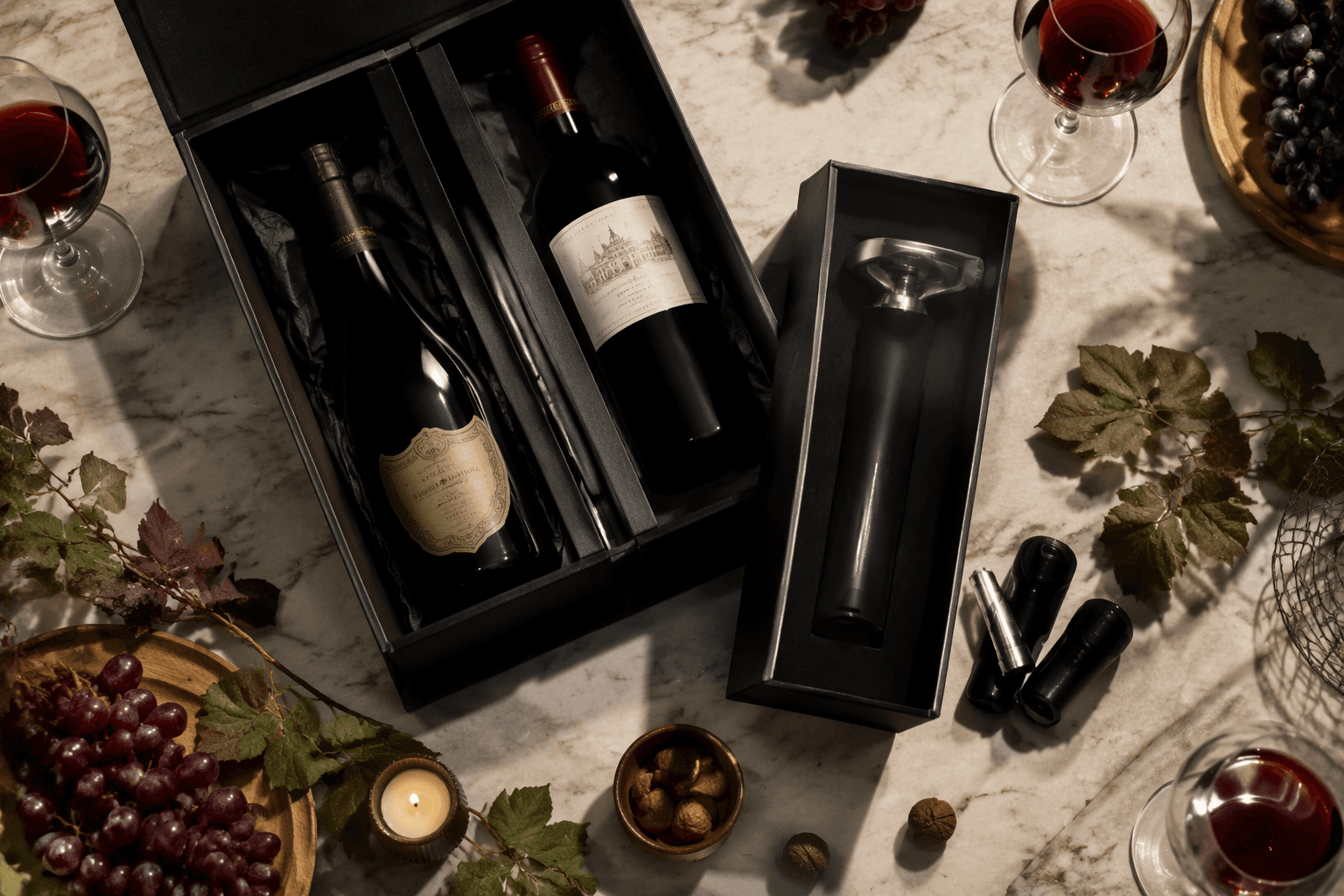
Presentation is the final filter. A luxury gift should arrive with a clear sense of occasion, not as if it were grabbed on the way to dinner. For a silver object or a gold commission, that means the packaging, the note, and the timing should all feel as measured as the piece itself.
The most effective luxury gifts in this lane are rarely the flashiest. A handcrafted clock, a table piece, or a commissioned trophy can feel far more elegant than a showy but untethered object, because they match the relationship and the occasion.
This article was produced by Prism’s automated news system from verified source data, official records, and press releases, then run through automated quality and moderation checks before publishing. The system is built and supervised by the people who set the standards it runs under. Read our full AI policy.
Did this article answer your question?