Pandora to disclose carbon footprint for every lab-grown diamond sold
Pandora is putting a carbon number on every lab-grown diamond, turning footprint into a fifth C and giving luxury buyers a real comparison point.
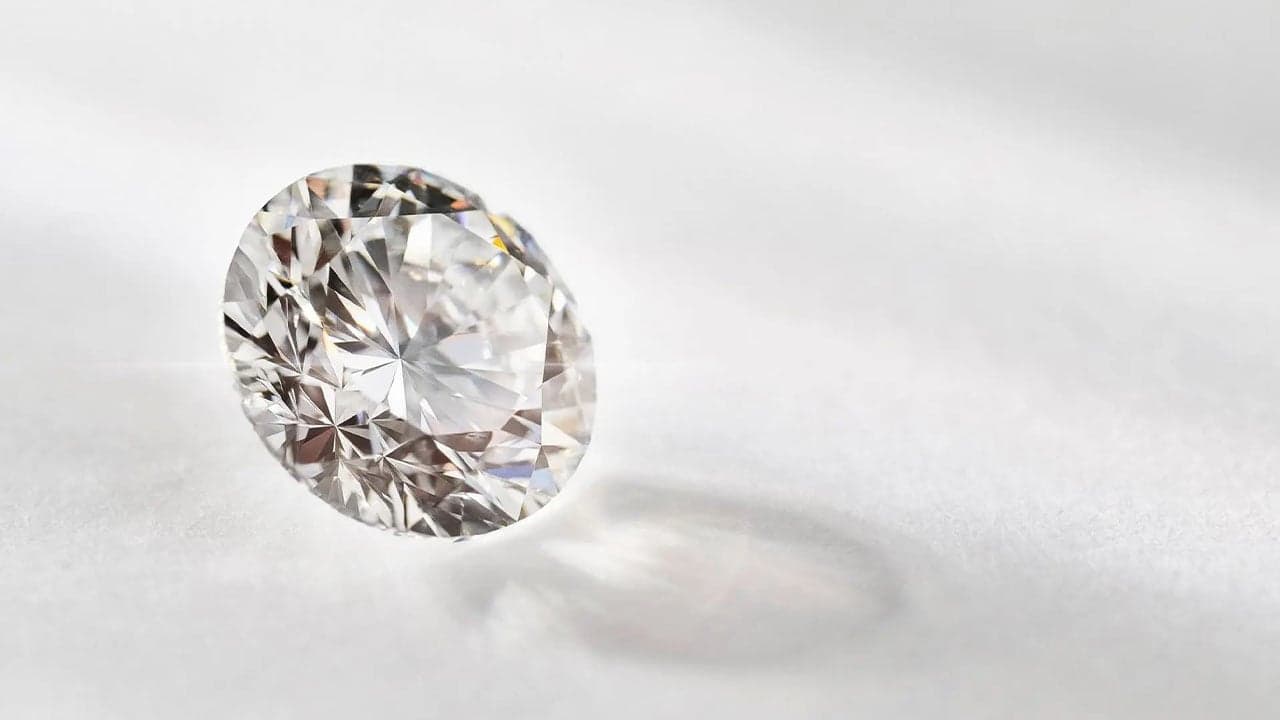
Pandora has started treating carbon footprint like a diamond grading term, and that is the most useful sustainability move in jewelry right now. The brand said it will disclose emissions for every synthetic diamond it sells, place the number on product pages, and present carbon footprint as a fifth C alongside cut, color, clarity and carat. One one-carat Pandora lab-grown diamond carries 12.58 kg of CO2e, and Pandora says that is about 90% lower than a mined diamond, which gives a shopper something concrete to weigh before buying a ring, pendant or charm gift.
The details matter because Pandora is not stopping at vague green language. It says the footprint covers emissions from the raw materials used to grow the diamond through cutting and polishing, and that its stones are made with chemical vapor deposition technology using 100% renewable electricity. The settings use 100% recycled silver and gold, and Pandora says it has worked exclusively with lab-grown diamonds since 2022 after ending mined-diamond use in 2021. The company’s earlier 2022 framing put a lab-created stone at 8.17 kg of CO2e per carat, about 5% of a mined diamond’s footprint, so the new 90% claim is a sharper and more aggressive comparison.
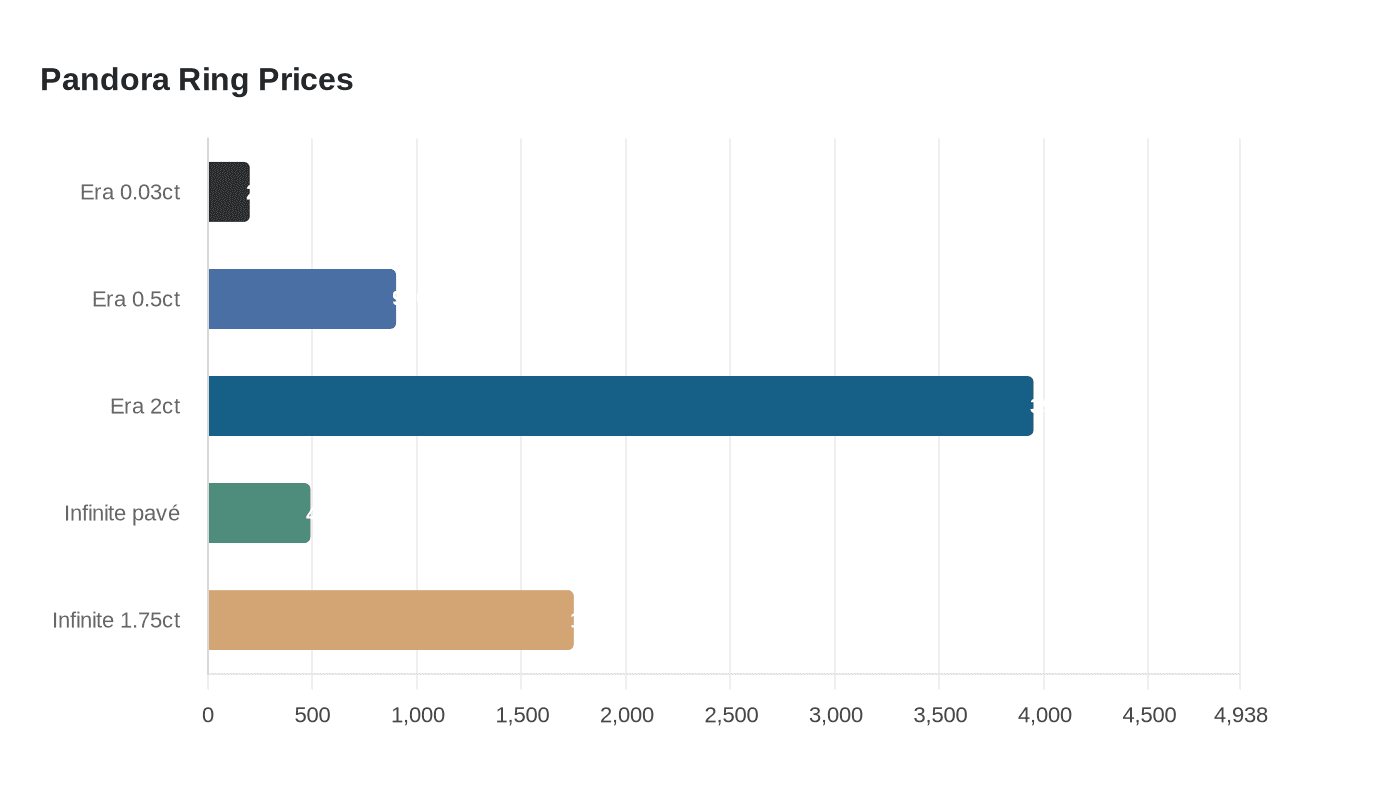
For gift buyers, the price ladder is already easy to read. On Pandora’s U.S. site, a Pandora Era 0.03-carat lab-grown diamond ring is $200, a 0.5-carat ring is $900, and a 2-carat version is $3,950. Pandora Infinite starts at $490 for a pavé ring and climbs to $1,750 for a 1.75-carat white-gold ring. That puts the collection in reachable luxury territory: the $200 ring is a polished little promise gift, the $900 piece is the sweet spot for an anniversary or milestone, and the $3,950 ring is the one you buy when you want the gesture to feel serious without drifting into six-figure jewelry theater.
Pandora’s own sales help explain why it is leaning so hard into traceability. In 2025, its Fuel with more segment, which includes Pandora Lab-Grown Diamonds, accounted for 26% of revenue and delivered 3% like-for-like growth. That is why the carbon label matters beyond branding: it turns sustainability into a buying criterion instead of a soft promise. If another jeweler says its lab-grown diamonds are greener, ask for the footprint per stone or per carat, the emissions boundary, whether renewable power covers growing and finishing, and whether the setting uses recycled metals. Pandora is giving shoppers numbers; everyone else should be ready to do the same.
This article was produced by Prism’s automated news system from verified source data, official records, and press releases, then run through automated quality and moderation checks before publishing. The system is built and supervised by the people who set the standards it runs under. Read our full AI policy.
Did this article answer your question?