Reusable multi-purpose and mono-material designs lead 2026 luxury packaging innovations
Luxury packaging in 2026 favors reusable, single‑material constructions and tactile details that read as both precious and practical.
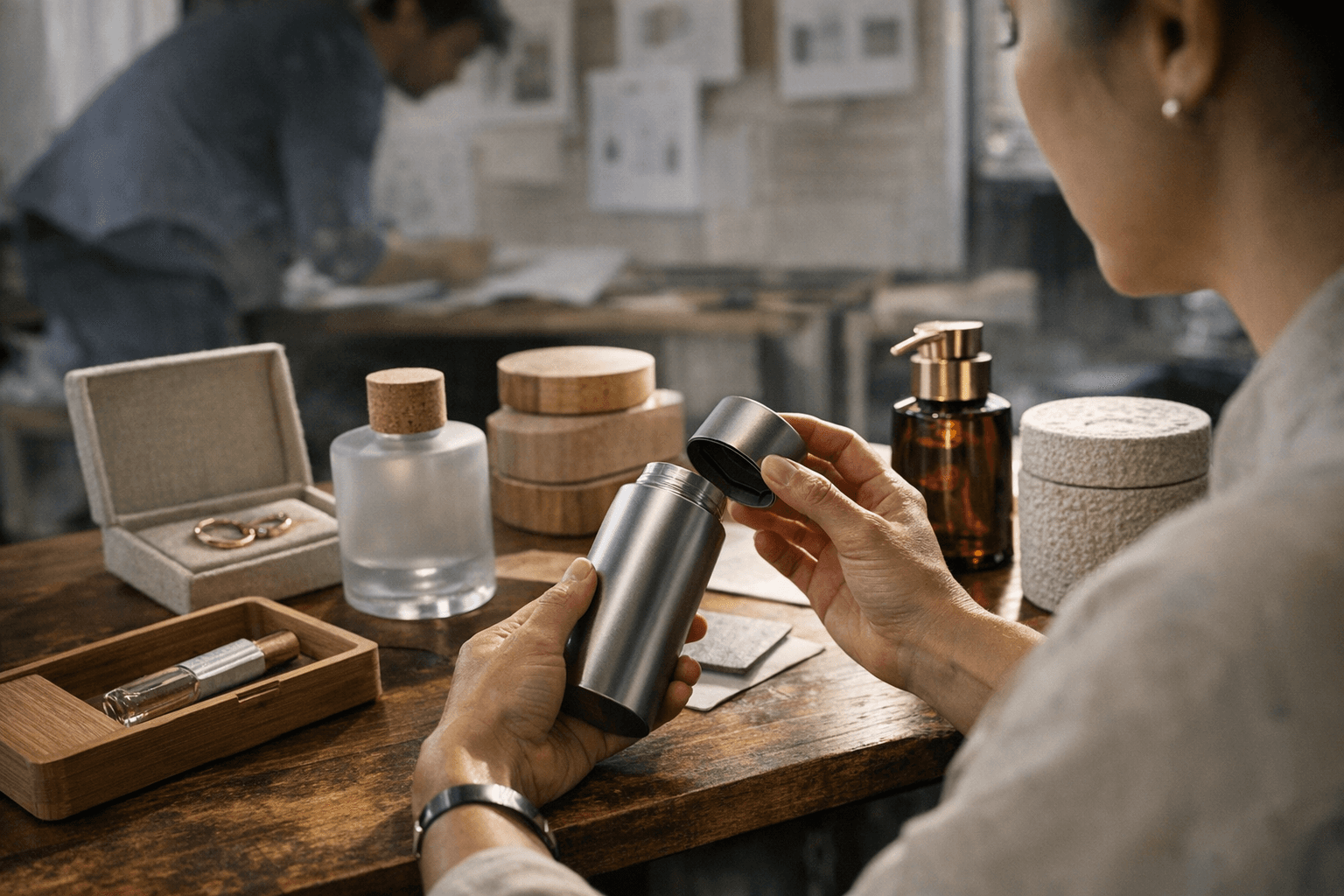
1. Reusable and multi‑purpose luxury packaging (rigid boxes that become display or storage)
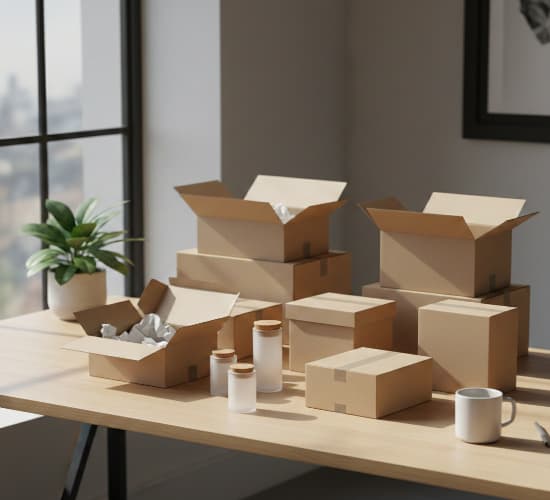
Reusable, multi‑purpose boxes are the lead innovation: the Original Report names “reusable and multi‑purpose luxury packaging (boxes that become display objects or storage)” as a core trend, and TheClintonCourier argues that “If a rigid box is the body of luxury packaging, the closure is the soul.” Brands are intentionally designing boxes with enough heft and beauty that consumers keep them, Glossier, Marc Jacobs and Modcloth are cited as real‑world examples of boxes that become daily brand impressions. This isn’t decoration for decoration’s sake: Towardspackaging projects the gift‑packaging market will grow from USD 30.41 billion in 2026 to USD 46.33 billion by 2035 (CAGR 4.79%), which helps explain why brands are treating packaging as a long‑term branding investment rather than a disposable cost.
2. Mono‑material recyclable constructions
The Original Report also highlights “mono‑material recyclable constructions” as a defining innovation: a deliberate move toward single‑substrate packs that simplify recycling at end‑of‑life. Towardspackaging notes gift wrap’s recycling problems and explicitly calls out bio‑based and recycled content as solutions, while Vistaprint frames the moment: “Sustainability has moved beyond plain brown boxes and earthy clichés,” with recycled papers, compostable films and lightweight metals now dressed in premium finishes. The practical upside for a gift buyer: a beautifully finished box that can be put in the correct recycling stream without the headaches of mixed materials, a meaningful luxury for eco‑conscious gifters.
3. Texture, tactile signals and “imprinted” craft aesthetics
Texture is no longer a subtle afterthought; Foldaboxusa writes that “Minimalism continues to evolve… Spring 2026 minimalism feels warmer and more tactile,” and Vistaprint’s “Imprinted” trend explicitly champions visible craft: “The Imprinted 2026 packaging trend embraces imperfection, taking its cues from textures created by stamping, pressing or imprinting directly onto packaging.” Material choice, textured papers, natural fibers and finishes, is now as strategic as colour, used to convey weight, warmth and provenance. Designers showcased in Vistaprint’s gallery (credits include Senchy, Meln, Replika_ and Bartosz Piwowarski) demonstrate how stamping, linen textures and tonal ribbon matching elevate even simple boxes into something giftworthy.
4. New sustainable protective materials: mushroom‑based (mycelium) foam and compostable alternatives
Protective inserts are finally getting the sustainability upgrade: Packagingblog spotlights MYCO’s mushroom‑based foam as “a fully compostable replacement for expanded polystyrene (EPS).” The material is “made from mycelium (fungi root systems) and agricultural waste like corn husks and wheat straw,” and is “grown in molds over three days, then heat‑treated for stability.” It claims comparable protection for electronics and decomposes naturally in weeks in composting environments, practical performance with a distinctly low‑impact afterlife, ideal for premium gifts that need serious protection without the landfill guilt of EPS.
5. Closures and the multisensory unboxing moment: magnetic closures versus ribbon‑tie
How a box opens has become a luxury currency. Foldaboxusa’s positioning guidance separates audiences, “Magnetic closures continue to signal premium quality and ease of use, particularly for corporate gifting and high‑end retail,” while “Ribbon‑tie boxes… feel softer and more personal” for weddings and artisan brands, mirroring TheClintonCourier’s bold claim that “Magnetic Closure Boxes will claim the premium market in 2026.” TheClintonCourier also captures why: “There’s a soft ‘thud’ when you pop off the magnetic lid that is just so damn satisfying,” a sonic and tactile cue that signals value. For gifters, that means choosing a closure not just for looks but for the story you want the recipient to feel the moment the lid lifts.
6. Interactive, digital and engagement‑driven packaging: AR, gamification, QR content and AI personalization
Packaging’s role now straddles physical ceremony and digital surprise. Packagingblog’s roundup announces that “Packaging is no longer just about protection and appearance,” listing AI and interactive design among top innovations and documenting practical cases like gamified candy wrappers: “Greek chocolatier Lacta uses AR to transform wrappers into secret message carriers: scan, add a personal note, and only the recipient sees it via the app.” QR codes that unlock craft projects and AR experiences are inexpensive ways for a brand to layer delight on top of a tactile gift, while AI is being explored for personalization at scale, meaning high‑end presentation can be tailored without bespoke production costs.
7. Color strategy, seasonal flexibility, accessory layering and tonal ribbon matching
Spring 2026 trends favour refinement over reinvention, Foldaboxusa’s brief puts it plainly: “Spring 2026 packaging trends are defined by flexibility and refinement rather than reinvention.” The practical play: create a neutral core box and refresh it seasonally through accessories, ribbons, liners and inserts, so packaging can pivot across gift occasions without full redesign. Foldaboxusa singles out tonal ribbon matching as a strong movement: “Matching ribbon color closely to the box, rather than creating high contrast, results in a cohesive, premium look,” especially effective with linen, neutral and pastel stocks; Vistaprint supports the palette shift by showing that sustainable materials now arrive in bold colors and textured finishes that read premium. For gifters this means a smaller set of high‑quality stock items can serve many occasions, while still feeling tailored and intentional.
Conclusion: These seven innovations, anchored by the Original Report’s twin mandates for reuse and mono‑material recyclability, reshape luxury gifting into a practice that balances ritual, sensory craft and measurable sustainability; brands that marry the tactile (magnetic lids, imprinted textures) with practical recyclability (mono‑materials, mycelium foam) will own the unboxing moment and the afterlife of the gift.
Know something we missed? Have a correction or additional information?
Submit a Tip