How to choose Mother’s Day flowers that last longer
The smartest Mother’s Day bouquet starts at the flower counter, not at home: buy tight blooms, then cut, feed, chill, and keep them away from fruit.
Healthy cut flowers can last 10 to 14 days when you choose them well and handle them correctly. The difference between a bouquet that fades in three days and one that makes it into next week is usually the first hour of care.
Buy for stage, not size
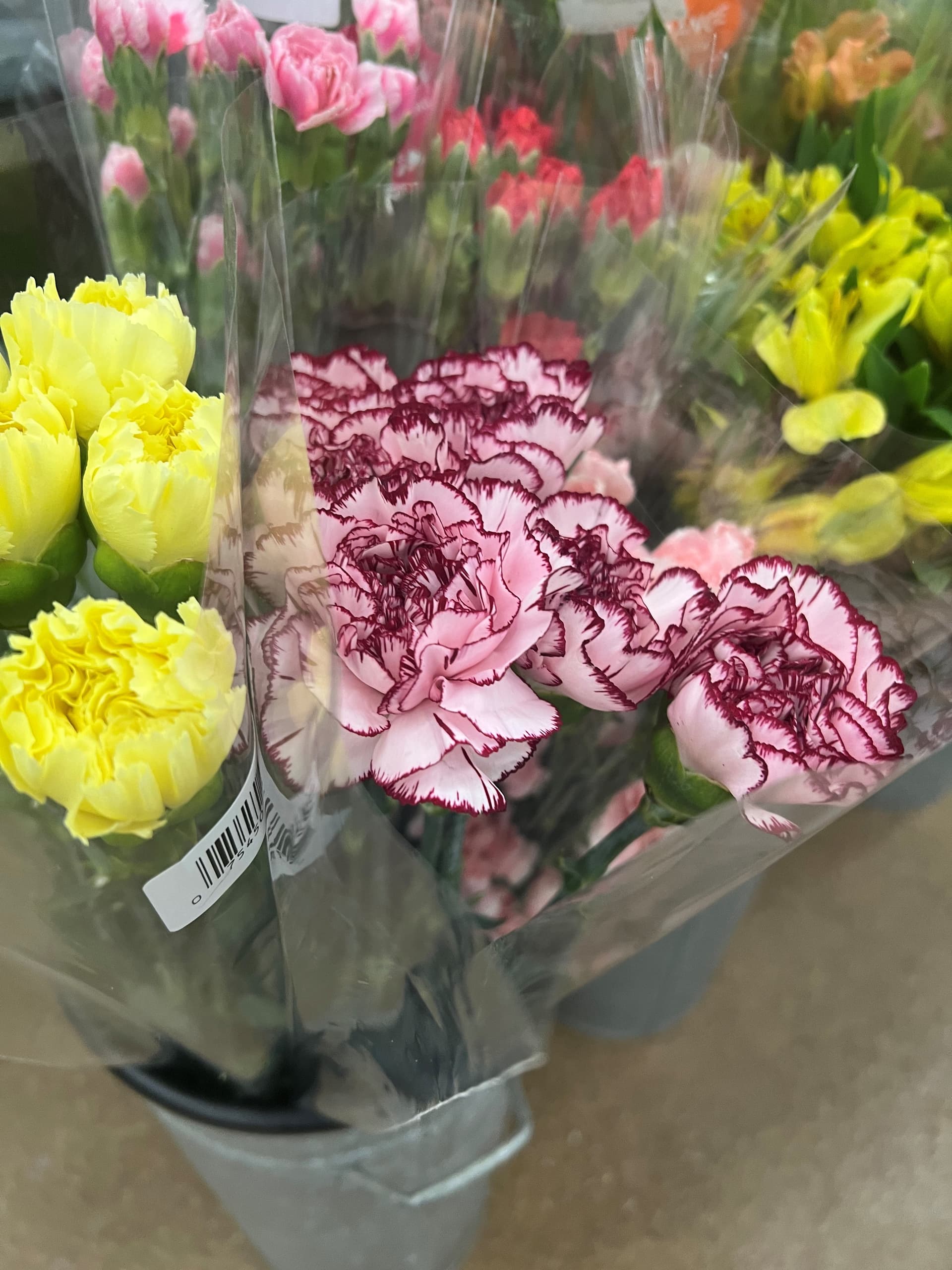
At the florist, go for flowers that are newly arrived, with firm stems, clean, fresh-smelling water, and no drooping petals or damaged foliage. Iowa State Extension recommends blooms that are just coming into flower before pollen is loose. NC State Extension is more exact: roses and other single flowers should have only one petal unfurled, gladiolus should have only the first two or three flowers open, and daisy-type blooms like sunflowers should still have greenish centers.
In the Society of American Florists' 2025 Ipsos poll, 38% of Americans bought flowers or plants for mom, matching the highest level in its 13-year poll, and almost half of surveyed retailers reported sales increases over the prior year. Illinois Extension puts Mother’s Day behind only Valentine’s Day for fresh-flower gifting.
Spend where it shows
You do not need the biggest arrangement to make the gift feel expensive. In a national florist’s current Mother’s Day assortment, mixed bouquets run around $45 to $70, long-stem rose bouquets from $75 to $200, and orchids around $65 to $85. Size is one way to spend, but stem quality and freshness usually buy you more life. If you want the present to feel richer without overspending, choose the tightest buds and put the budget into better conditioning, not extra wrapping.
If you want the longest-lasting Mother’s Day present, think beyond the vase. University of Missouri Extension calls outdoor flowering plants a longer-lasting alternative because they bloom for seasons rather than days, and David Trinklein recommends making the gift into a nursery visit so Mom can choose the plants she wants. A rose bush, shrub rose, hydrangea, or azalea gives you the same spring feeling with a much longer payoff.
The first 24 hours decide the vase life
Start with a clean vase washed in hot, soapy water. Iowa State advises removing any leaves that would sit below the water line, because submerged foliage decays and shortens the life of the bouquet, and NC State recommends making fresh cuts on all stems at a 45-degree angle, at least 1/2 inch from the end, with a sharp knife or shears rather than a tool that crushes the stem.
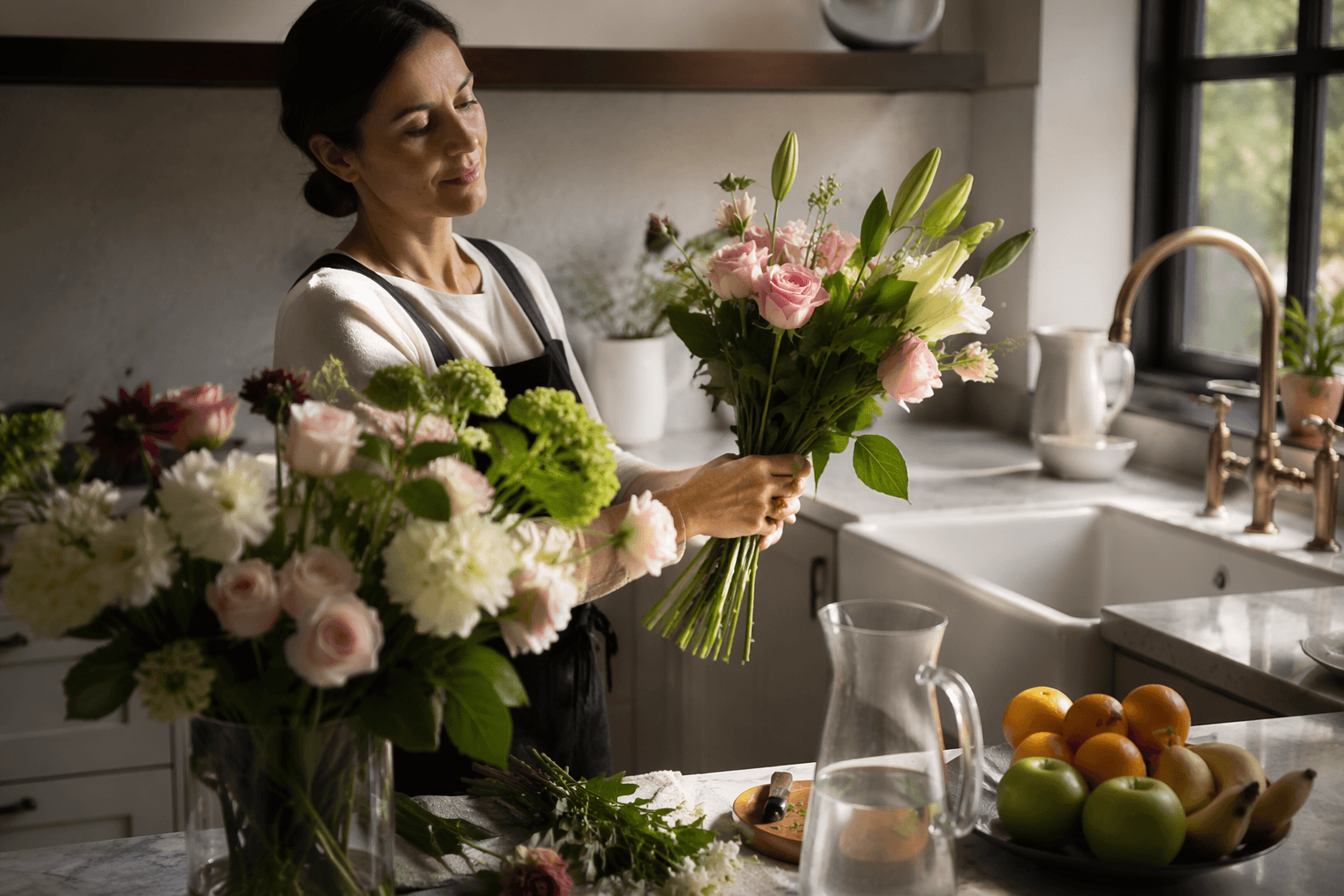
Once the stems are trimmed, use flower food. A commercial floral preservative works better than homemade fixes. Iowa State explicitly advises skipping aspirin, bleach, lemon-lime soda, mouthwash, rusty nails, pennies, lemon juice, vinegar, sugar, and other kitchen experiments. NC State also recommends putting the flowers in fresh, lukewarm water and conditioning them in a cool, dark space for 1 to 2 hours before arranging them.
A small stem wound can be a hidden gift-killer, which is why the clean tool matters. University of Florida Extension recommends leaving as much healthy foliage on the stem as possible above the water line because leaves drive transpiration, but any leaf below the water line only rots and feeds bacteria.
Keep them cool and clean after that
Keep flowers in a cool, brightly lit spot away from heat sources and drafts, and out of direct sun, wind, doors, and heating or cooling vents. Top off the water as needed and change it every 2 to 3 days. Illinois Extension has found that clean containers, fresh water, and cooler display conditions can extend vase life by days or weeks.
Keep the vase away from ripening fruit. Cut flowers should be as cold as possible during handling and storage, free of water stress, ethylene, and microbial contamination. NC State's postharvest guidance warns that ethylene can damage flowers at concentrations as low as 100 parts per billion with exposure as short as 2 hours. Illinois Extension also warns against putting bouquets near ripening fruit, because the gas they give off speeds aging and bacterial growth in the vase can clog stems and block water uptake.
Why carnations still feel right for the holiday
HISTORY traces the modern Mother’s Day flower tradition to Anna Jarvis, who sent 500 white carnations to the first formal Mother’s Day service on May 10, 1908, at Andrews Methodist Episcopal Church in Grafton, West Virginia. By the time President Woodrow Wilson proclaimed the holiday in 1914, carnations were already tied to the day. Jarvis later described the flower this way: “Around the white carnation, I wove a sentiment.”
This article was produced by Prism’s automated news system from verified source data, official records, and press releases, then run through automated quality and moderation checks before publishing. The system is built and supervised by the people who set the standards it runs under. Read our full AI policy.
Did this article answer your question?