Mother's Day gifts that avoid pollen and allergy triggers
Skip the sneezy bouquet. Low-pollen blooms, fragrance-free greens, and easy plants can feel more luxurious than a pricey arrangement.

Pollen, fragrance, sap, dust, and mold can turn a beautiful Mother’s Day arrangement miserable for someone with allergies or asthma. The smarter move is to choose gifts that look polished, last longer, and do not set off a reaction.
Best bets: gifts that read as thoughtful, not risky
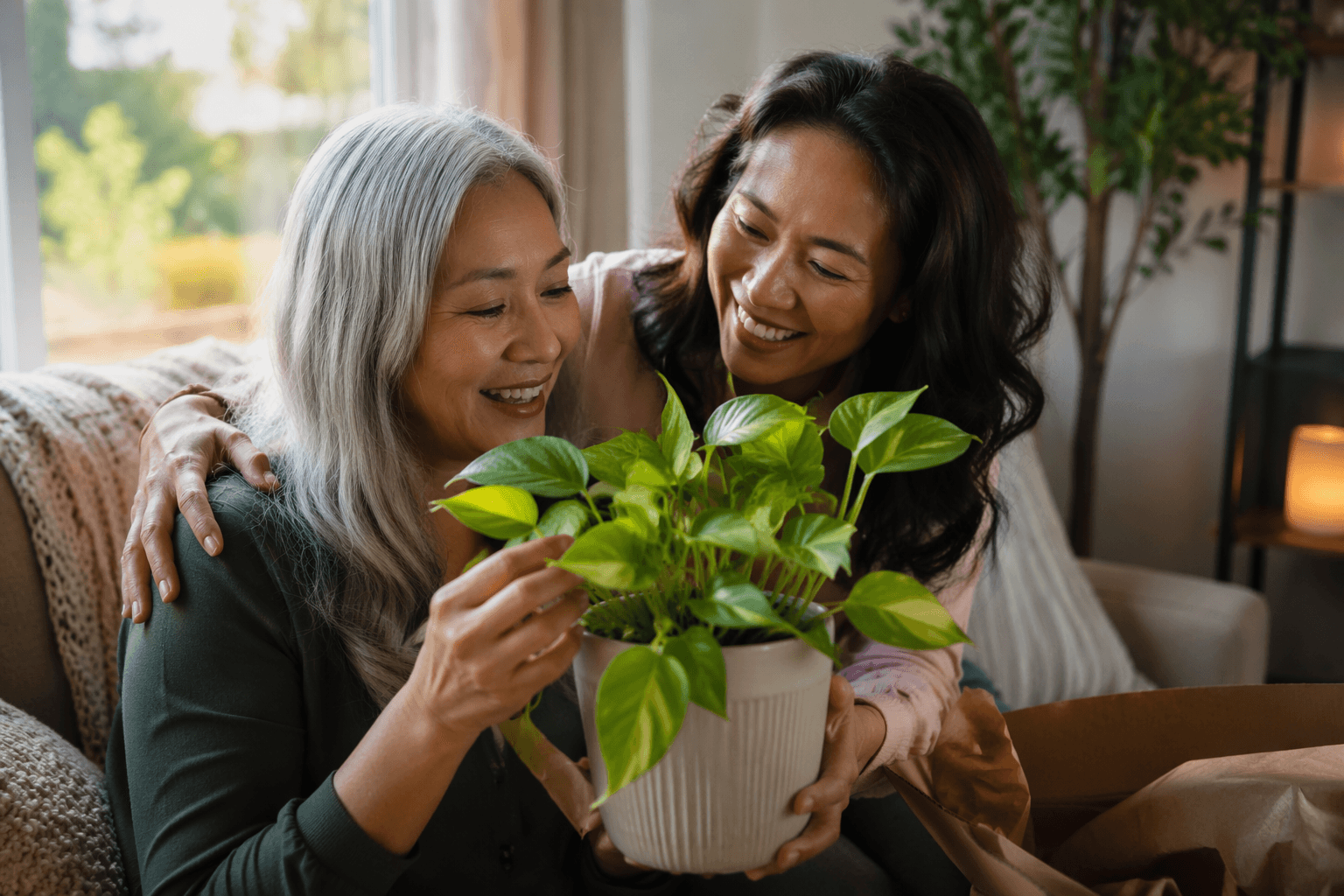
The safest floral lane starts with plants and blooms that are less likely to send pollen into the air. The Asthma and Allergy Foundation of America identifies palm trees, aloe vera, philodendrons, and pothos as better indoor choices for many allergy sufferers. A pothos in a decorative pot is especially useful for someone who likes easy care and a clean, leafy look; aloe vera works well for a bright windowsill; and a philodendron or small palm brings volume without the heavy perfume of a typical bouquet.
If your mom still wants flowers, roses are the classic compromise. Insect-pollinated flowers such as roses are less likely to cause allergic rhinitis than wind-pollinated blooms, which makes them a better option than many spring stunners. A restrained arrangement of roses, especially one kept simple and free of strong scent add-ons, gives you the romance of flowers without leaning into the pollen-heavy look that causes problems for many recipients.
For a gift that feels especially calm and luxurious, think in terms of texture rather than scent. A leafy arrangement in a handsome container can feel more intentional than a crowded bouquet, and it lasts longer than cut stems.
Use caution: pretty flowers that can be trouble
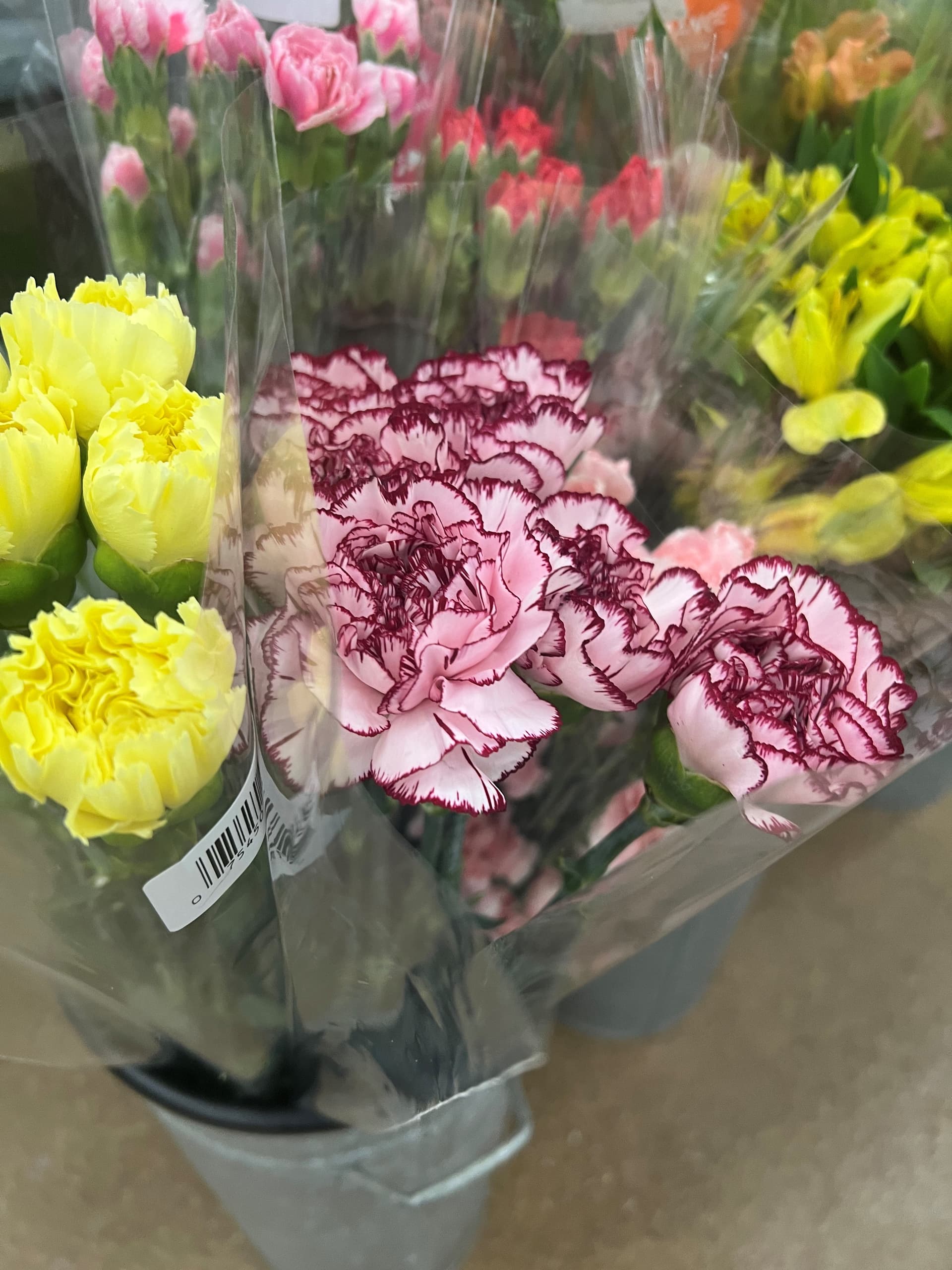
Tree pollen is the first pollen to appear each year in the United States, with tree pollen season generally running from February through April, grass pollen from April through early June, and weed pollen from August to the first hard frost. Mother’s Day lands right in the overlap between tree and grass season, which is why a florist’s best-selling mix can be the least comfortable gift for a sensitive mom.
AAFA’s allergist guidance flags chrysanthemums, orchids, lilies, hyacinths, sunflowers, African violets, and chamomile as plants that can worsen allergies and asthma. That does not mean every person will react to every stem, but it does mean these are the first names to move off the shortlist when you are shopping for someone with a known sensitivity. Strong fragrance deserves the same caution, because flowers and perfume can have serious consequences for people with allergies and asthma.
Strong scents can bring on congestion, a runny nose, headaches, and asthma or vocal cord dysfunction symptoms in some patients.
Avoid: gifts that are likely to backfire
The most obvious things to skip are highly fragrant mixed bouquets and anything built around the usual spring troublemakers. Flowers that rely on wind-borne pollen are the main issue for many pollen allergies, and that is what makes the traditional, full-tilt florist arrangement a gamble. If you know the recipient has seasonal allergies, asthma, or fragrance sensitivity, do not let visual abundance override comfort.
The American College of Allergy, Asthma & Immunology defines contact dermatitis as a skin rash caused by contact with an allergen, from plants to cosmetics, so even touch can be part of the problem. Direct handling of stems, leaves, or sap can irritate skin, and a gift that includes heavily scented lotion, perfume, or other fragrance-forward extras can make the situation worse rather than better.
How to choose like a better gift giver
The cleanest way to shop is to decide first how sensitive the recipient is, then work backward. If she has mild seasonal allergies, a low-pollen flower such as roses may be enough. If she also reacts to fragrance or has asthma, lean toward foliage plants like pothos, philodendrons, aloe vera, or a small palm in a decorative pot. If she is highly reactive, the safest answer may be to avoid cut flowers entirely and choose a plant gift that can live on a shelf, desk, or kitchen counter.
The Ogren Plant Allergy Scale rates flowers, trees, shrubs, and grasses from 1 to 10 by allergenic potential. Thomas Leo Ogren first published the OPALS system in his 2000 book Allergy-Free Gardening, and it remains a useful reference when you want to compare plants instead of guessing.
Pollen can appear from trees in spring, grasses in summer, and weeds in fall. The National Institute of Environmental Health Sciences estimates seasonal allergies may affect nearly one in six Americans. The Centers for Disease Control and Prevention’s 2024 National Health Interview Survey puts the number even more concretely at 25.2% of U.S. adults reporting a seasonal allergy, and 31.7% reporting any diagnosed seasonal allergy, eczema, or food allergy.
The National Allergy Bureau, certified by the American Academy of Allergy, Asthma & Immunology, provides pollen and mold counts by region. Those counts can help explain why a mom who is usually fine with flowers may have a rough week when tree or grass pollen is especially high.
This article was produced by Prism’s automated news system from verified source data, official records, and press releases, then run through automated quality and moderation checks before publishing. The system is built and supervised by the people who set the standards it runs under. Read our full AI policy.
Did this article answer your question?