Readers Reveal the Small, Sentimental Mother's Day Gifts That Mattered Most
The gifts mothers remember aren't the expensive ones — Telegraph readers say handmade cards and preserved keepsakes outlast anything bought in a store.
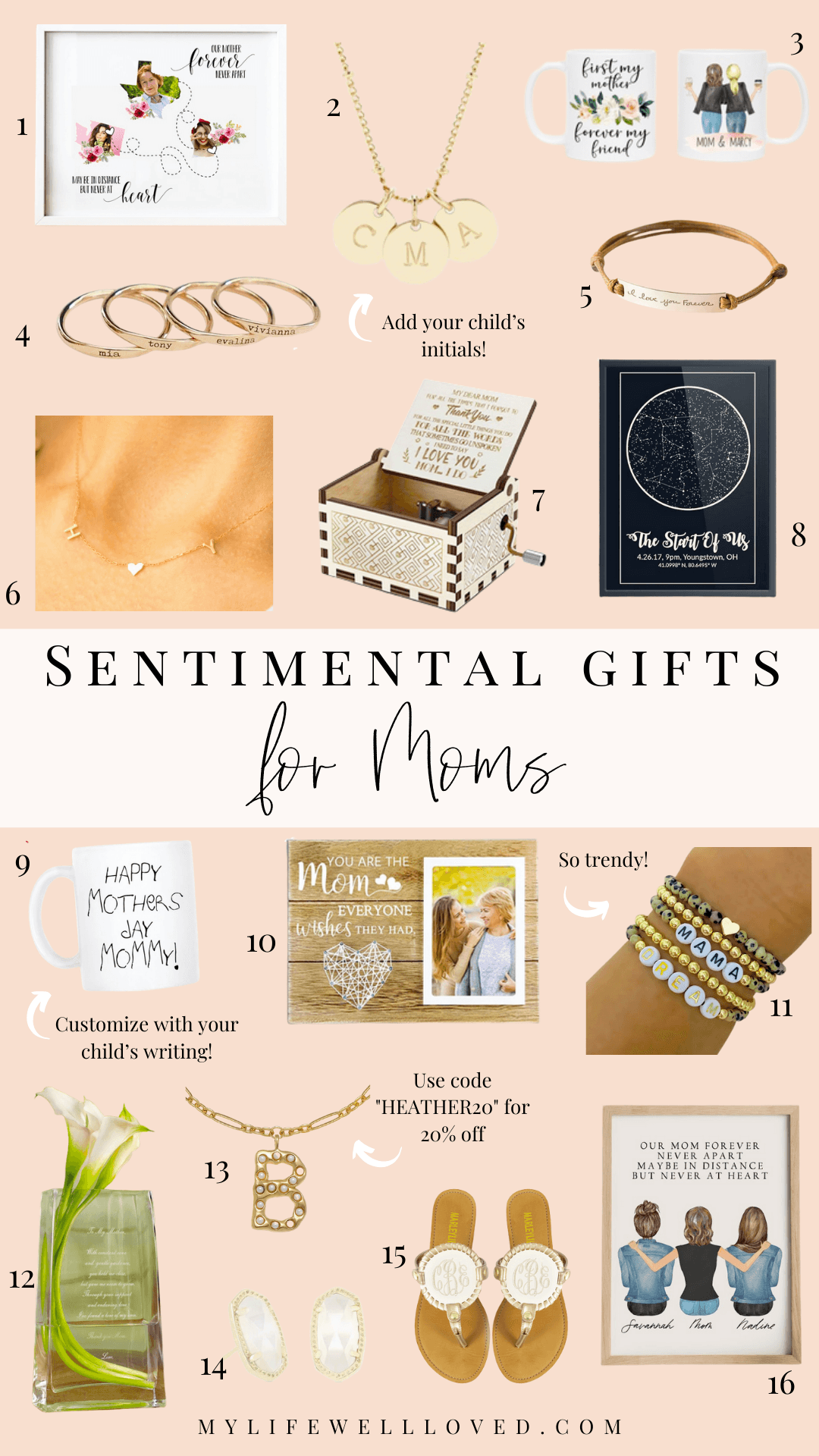
There's a quiet truth that surfaces every year around Mother's Day, and Telegraph readers put it plainly: the gifts that get kept, revisited, and talked about decades later almost never came from a shop. The feature that emerged from readers sharing their most meaningful Mother's Day memories built a compelling case for sentiment over spend. Handmade cards. Preserved keepsakes. Small gestures chosen with genuine attention. These are the things that endure.
It's worth sitting with that for a moment, because the gifting industry would have you believe otherwise. Retailers push jewellery, spa days, and luxury hampers every March, and there's nothing wrong with any of those things. But the Telegraph's readers, reflecting on what actually moved them, kept returning to a different kind of gift entirely: one that required thought, time, or personal meaning rather than a larger budget.
Why sentimental gifts outperform expensive ones
The emotional logic here isn't complicated. A gift that references something specific, a shared memory, a child's handwriting preserved on paper, a photograph from a moment that mattered, communicates something that a luxury candle simply cannot: I was paying attention to you. Not to a gift guide, not to what seemed appropriate, but to you specifically.
This is what distinguishes a sentimental gift from a cheap one. The cost is irrelevant; the specificity is everything. A handmade card from a five-year-old carries irreplaceable weight not because of the glitter and uneven lettering, but because it cannot exist for any other mother in any other household. It is entirely, unrepeatable hers.
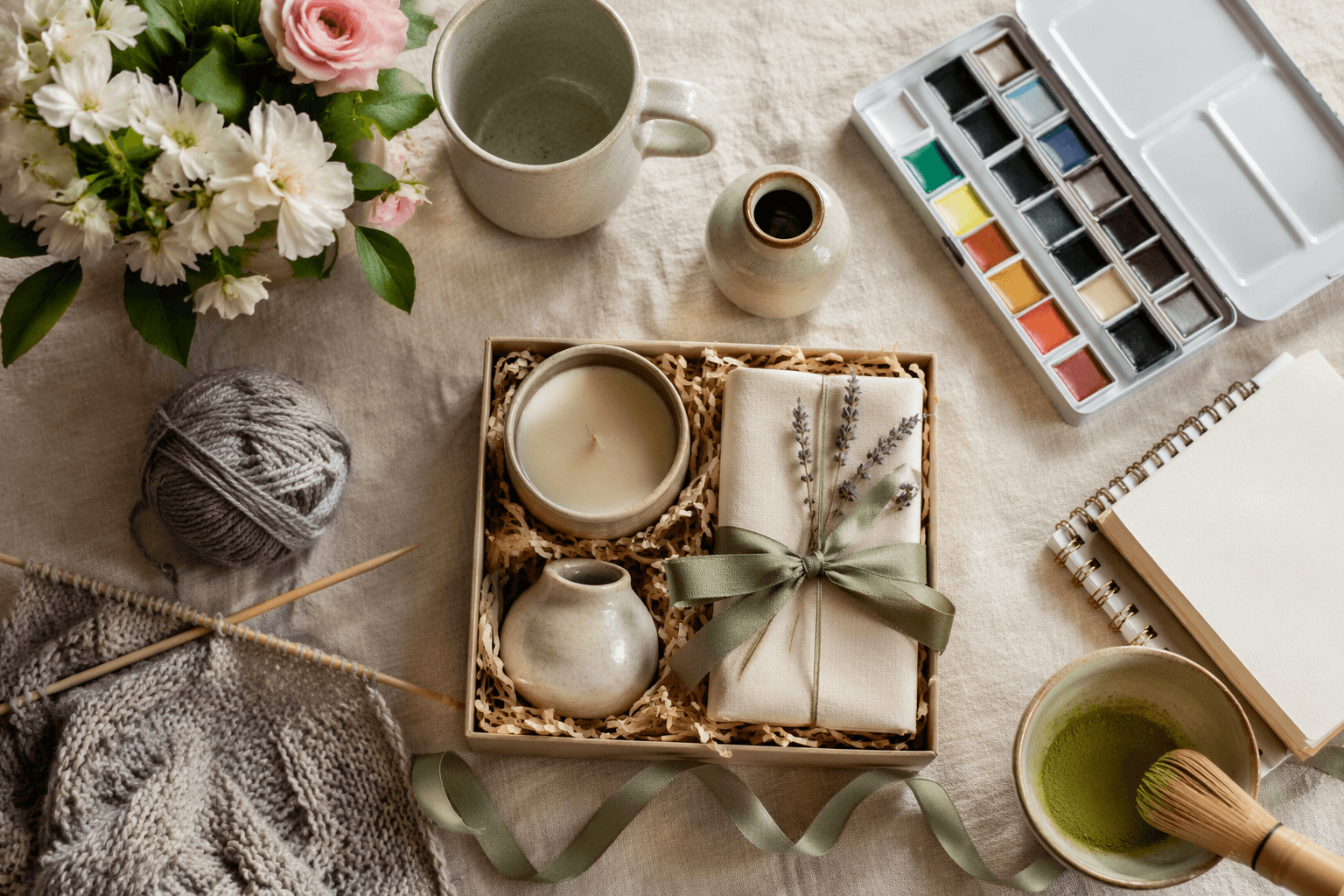
Preserved keepsakes operate on the same principle. Whether it's a pressed flower from a garden she tends, a child's drawing mounted and framed, or a piece of handwriting transferred onto something durable, the act of preservation itself says something. It says: this moment was worth keeping. That message, received by a mother, tends to land harder than anything wrapped in tissue paper from a department store.
The handmade card: underestimated every year
Readers consistently pointed to handmade cards as among the most treasured gifts, which may surprise anyone who has grabbed a printed card from a supermarket stand on the way to Sunday lunch. The difference isn't about artistic skill. A card drawn by a child, or written by an adult child who took real time to articulate what their mother means to them, becomes a document. Mothers keep these. They reread them. Some have collections spanning decades.
If you're helping a young child make a card this year, resist the urge to over-direct. The charm is in the authenticity: the wobbly letters, the proportionally enormous sun in the corner, the drawing of "our family" where everyone is roughly the same height. That's the version worth keeping.
For adult children, the handmade card translates into something different: a genuinely written letter. Not a WhatsApp message, not a printed verse someone else composed, but a personal account of a specific memory, a quality you admire, or something she taught you that you still carry. This is harder to write than it sounds, which is exactly why receiving one means so much.
Preserved keepsakes: the gift that gets better with time
The category of preserved keepsakes covers a wide range of forms, and the readers who mentioned them described objects that had accumulated meaning over years, sometimes over generations. A pressed flower from a garden. A child's first drawing, properly framed. A handprint in clay or plaster. A family recipe written out in a grandmother's handwriting, photocopied and laminated before the original faded.
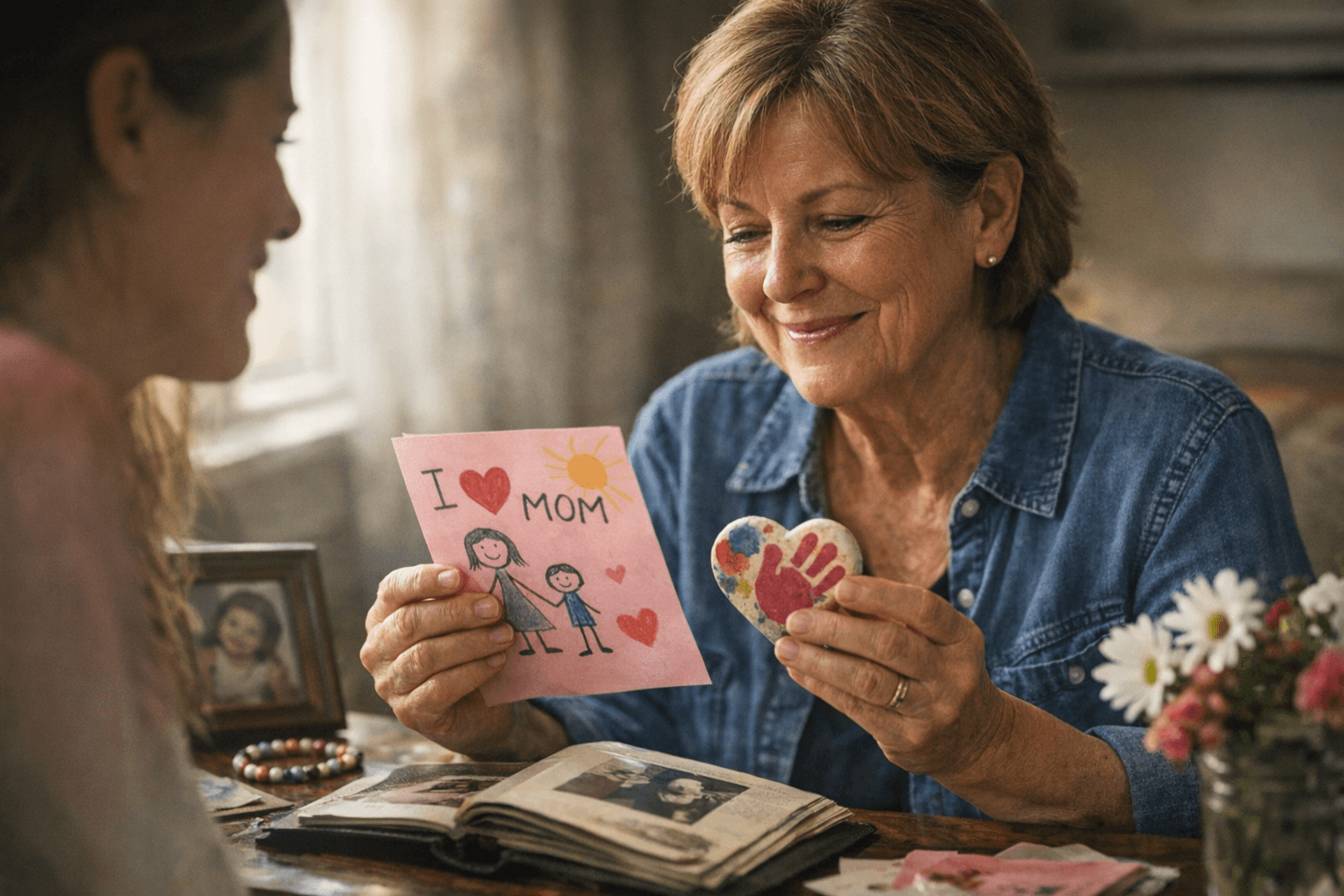
What these objects share is that they arrest a moment. Childhood is relentlessly forward-moving, and mothers know this better than anyone. A preserved keepsake acknowledges the specific, unrepeatable nature of now. That acknowledgment, made tangible and holdable, is a form of love.
If you're considering this route, think about what exists in your family right now that won't exist in the same form in five years. A young child's drawings. A handprint. A photograph printed and framed rather than left to languish in a phone's camera roll. The act of preservation is itself the gift; it says you understood what was worth saving.
Small gestures, given with full attention
Several readers made a point that deserves its own space: the gesture doesn't need to be an object at all. A morning where she doesn't have to organise anything. Breakfast made and cleared away without being asked. A phone call that isn't rushed. An afternoon where someone else manages the logistics and she is simply, genuinely free to be unproductive.
These are gifts of time and attention, and they're harder to give than they might appear, because they require the giver to be fully present and to absorb the domestic work that usually falls to her. Done properly, a morning like this is among the most meaningful things you can offer a mother who spends most of her time managing other people's needs.
A note on combining sentiment with substance
None of this is an argument against buying something beautiful. A well-chosen gift, something she'd never buy for herself but would genuinely love, remains a wonderful expression of care. The point the readers were making is more specific: when a purchased gift lands flat, it's usually because it lacks personal reference. It could have been given to anyone.
The solution isn't to spend more. It's to pair whatever you give with something that's unmistakably hers. A nice hand cream becomes more meaningful beside a card that actually says something. A bunch of flowers from her favourite florist lands differently when you've also framed the photograph she always meant to frame herself.
The readers who shared their memories for this piece weren't suggesting that money doesn't matter or that effort is all that counts. They were reporting, from experience, what they remembered. And what they remembered, across the board, was being seen. Being known. Having someone take the time to demonstrate, through a small and specific gesture, that they had been paying attention all along.
That's the standard worth aiming for, whatever your budget happens to be.
This article was produced by Prism’s automated news system from verified source data, official records, and press releases, then run through automated quality and moderation checks before publishing. The system is built and supervised by the people who set the standards it runs under. Read our full AI policy.
Did this article answer your question?