Start Marketing Mother's Day Jewelry Gifts in March, Not May
Jewelry retailers who wait until May to market Mother's Day gifts are already losing — the buying window opens in March, and here's how to capture it.
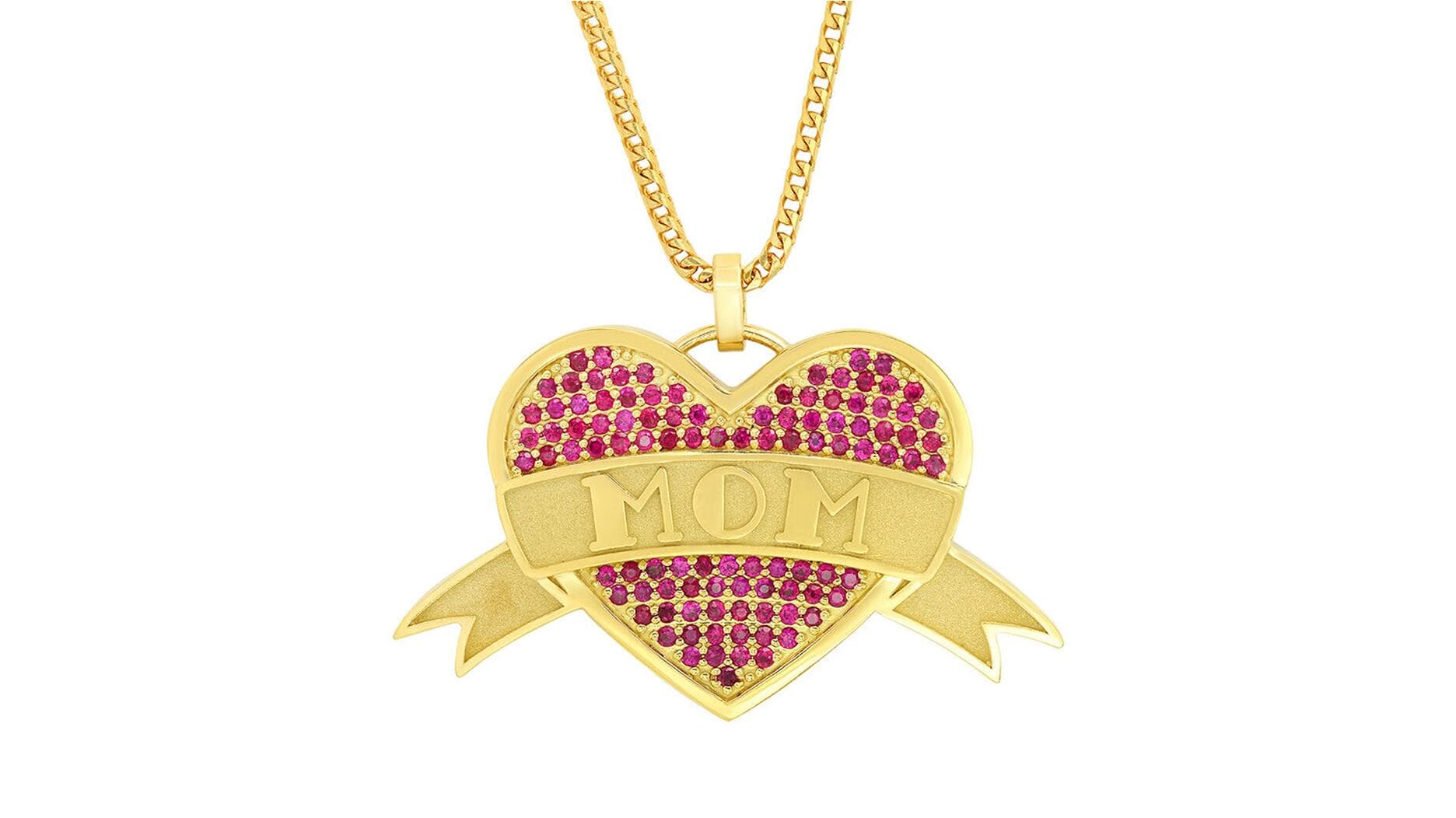
If you sell jewelry and you're waiting for April to start thinking about Mother's Day, you've already missed the most valuable weeks of the season. The shoppers who buy the most meaningful gifts — the ones who want engraved pendants, birthstone rings, and heirloom-quality pieces — start their search early. They're not browsing in a panic the week before. They're researching in March, comparing options in April, and clicking "purchase" well before the holiday weekend arrives.
This is the central argument that jewelry industry marketing specialists have been making to independent sellers and boutique retailers: the strategic window for Mother's Day opens in March, not May. And the data behind that argument has real implications for how you structure your SEO, your ad spend, your site infrastructure, and your mobile experience.
Why March Is the Real Starting Line
The consumer psychology here is straightforward. Thoughtful gifts require lead time. A shopper who wants a custom piece, a necklace with a child's birthstone, or a bracelet that can be engraved doesn't decide on that at 11pm on the Saturday before Mother's Day. She, or more often the person shopping for her, starts the search weeks in advance — browsing Pinterest, searching Google, reading gift guides.
Search interest for Mother's Day jewelry terms begins building meaningfully in late March and reaches a sharp peak in the two weeks surrounding the holiday. If your SEO strategy only activates in early May, you're arriving at a race that's already three-quarters run. The retailers who dominate those search results in March are the ones who published their gift guides, optimized their product pages, and built their internal linking structures weeks earlier.
The SEO Case for Starting Now
Search engine optimization is not a lever you pull and see results from immediately. Google's crawl cycles, indexing timelines, and ranking algorithms all operate on a delay. A product page optimized today may not reflect its full ranking potential for two to four weeks. For Mother's Day, that math is unforgiving: start optimizing in May, and you're competing for rankings at the exact moment your potential customers have already made their decisions.
The practical work involves several interconnected elements:
- Updating product page titles and meta descriptions to include Mother's Day-specific language while maintaining year-round relevance
- Publishing editorial content, gift guides, and category pages that target high-intent search terms early enough to gain traction
- Building internal links between your gift guide content and your highest-margin product pages
- Ensuring that your site's technical foundation, including crawlability and indexation, is clean before the traffic surge arrives
Independent jewelry sellers in particular often underinvest in this foundational work because it feels abstract compared to running an ad. But organic search traffic, earned through early preparation, converts at a higher rate and costs nothing per click once the rankings are established.
Site Speed as a Gifting Signal
Here's something counterintuitive: a slow website isn't just an annoyance. In the context of gift-giving, it actively undermines the emotional register of your product. Someone shopping for a meaningful piece of jewelry — a push present, a milestone birthday gift, an anniversary token — is in a state of heightened intention. They want the experience of browsing your site to feel as considered as the gift itself.

A page that takes four seconds to load on a mobile device doesn't feel luxurious. It feels careless. And in a category where the entire value proposition rests on thoughtfulness and quality, that friction is brand damage. Site speed optimization, including image compression, server response time, and eliminating render-blocking scripts, needs to happen before the traffic arrives. Fixing it in the middle of a high-traffic week is far harder than preparing for it in March.
Mobile Shopping Is the Default, Not the Exception
The majority of gift research now happens on mobile devices, and for Mother's Day specifically, mobile's share of that browsing is disproportionately high. A parent, a partner, or an adult child searching for "gold birthstone necklace for mom" at 9pm is almost certainly doing it on a phone. If your product images don't render cleanly on a small screen, if your checkout flow requires too many taps, or if your size guide is buried in fine print that's unreadable without zooming, you're losing sales to competitors who made the mobile experience feel effortless.
For jewelry retailers, mobile optimization also means thinking carefully about how you present details that matter: stone quality, metal type, chain length options, and custom engraving specifications. These are decisions a buyer needs to feel confident about, and a poorly designed mobile product page creates hesitation rather than confidence.
Testing Paid Media Before the Rush
Early paid-media testing is one of the most practical advantages of starting in March. Running small-scale campaigns in late March and early April gives you data on which creative assets, audience segments, and offer structures actually perform — before you're committing your full budget during the peak window.
This matters enormously for independent sellers who don't have the media spend to compete with large retailers at full price during the highest-cost weeks of the season. If you've already identified, through early testing, that a particular product image drives higher click-through rates, or that a specific audience segment converts at a lower cost per acquisition, you can scale those learnings efficiently when the season peaks. Going in blind in May means paying premium CPMs to learn lessons that March testing would have already taught you.
The Independent Seller's Advantage
Large jewelry chains have marketing departments that activate Mother's Day campaigns on a fixed calendar. What independent sellers and boutique jewelers have that chains don't is the ability to move quickly, tell a more personal story, and create the kind of curated experience that resonates with gift-buyers looking for something that doesn't feel mass-produced.
That advantage is only meaningful if it's activated early enough to be found. A beautifully curated gift guide featuring your handmade pieces, published in March and optimized for search, can outrank a major retailer's generic category page if it answers the buyer's questions more specifically and more honestly. The window to build that kind of organic visibility closes faster than most independent sellers realize.
The strategic reality is this: Mother's Day is not a May holiday for retailers. It's a March opportunity. The groundwork you lay now, in SEO, site infrastructure, mobile experience, and paid-media testing, determines what your May looks like. Retailers who understand that are already several weeks into the work.
This article was produced by Prism’s automated news system from verified source data, official records, and press releases, then run through automated quality and moderation checks before publishing. The system is built and supervised by the people who set the standards it runs under. Read our full AI policy.
Did this article answer your question?