93% of Shoppers Stay Loyal to Brands That Offer True Personalization
93% of shoppers stick with brands that personalize well, per a new survey of 1,050 consumers across the US, UK, and Australia.

The loyalty math is remarkably simple: get personalization right, and nearly all of your customers stay. A survey of 1,050 shoppers across the United States, United Kingdom, and Australia, conducted by Attentive and published March 10, 2026, puts that figure at 93 percent of consumers who say they are more likely to keep buying from a brand that delivers true personalization.
That number reframes how to think about personalized gifts. The instinct to personalize a present, to add a name, a date, a handwritten note, or a product built around someone's specific taste, is not just a sentimental impulse. It mirrors exactly what the most loyalty-generating brands are doing at scale. When a gift feels tailored rather than grabbed, the recipient notices. So does the data.
Attentive's research is specifically focused on how consumers define personalization, not just whether they like it. That distinction matters enormously when you're choosing a gift. Generic monogramming on a tote bag technically counts as personalization, but it doesn't meet the bar that modern shoppers, and modern gift recipients, are actually setting. True personalization, the kind that drives the 93 percent loyalty finding, reflects genuine knowledge of the person: their preferences, their habits, their specific context.

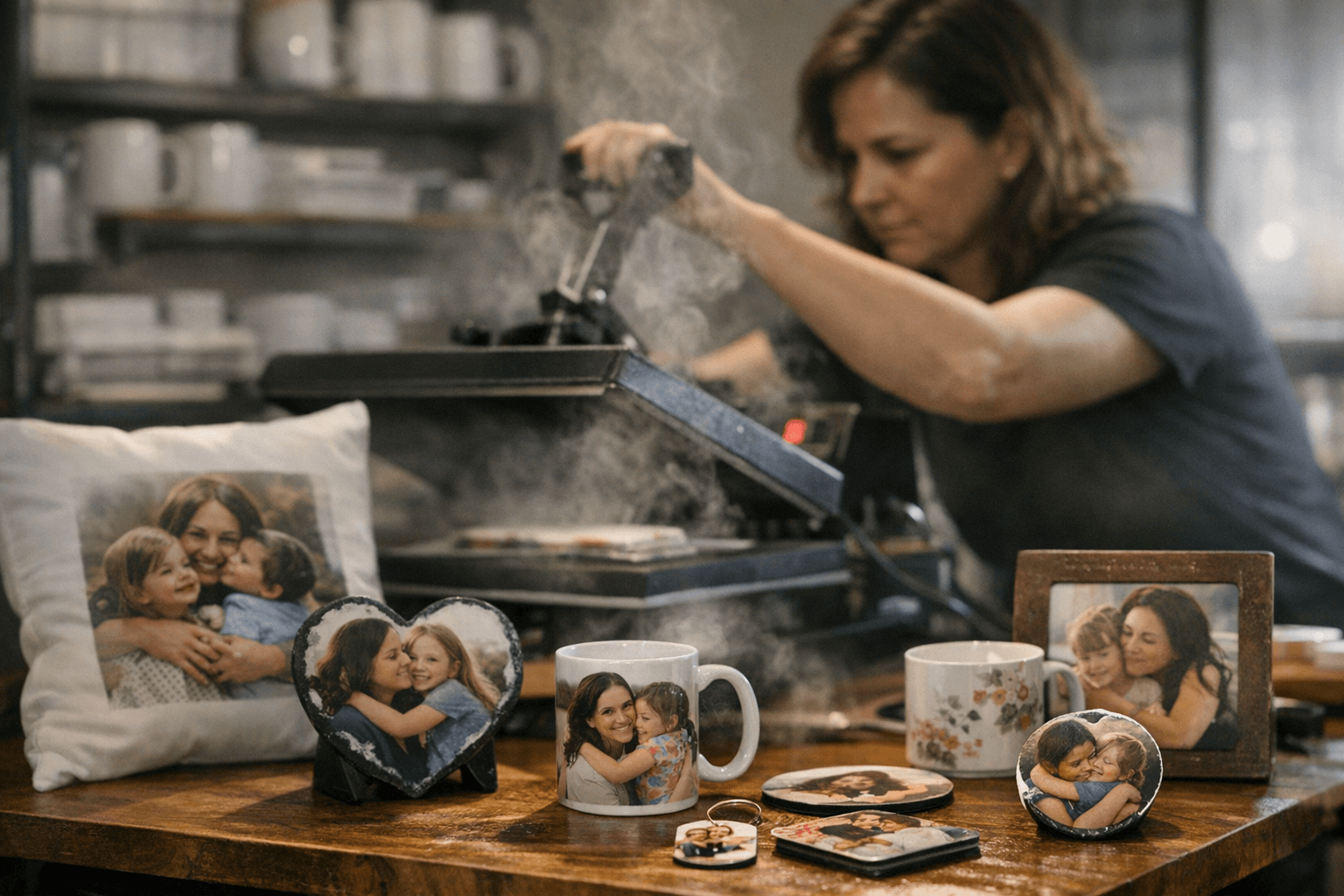
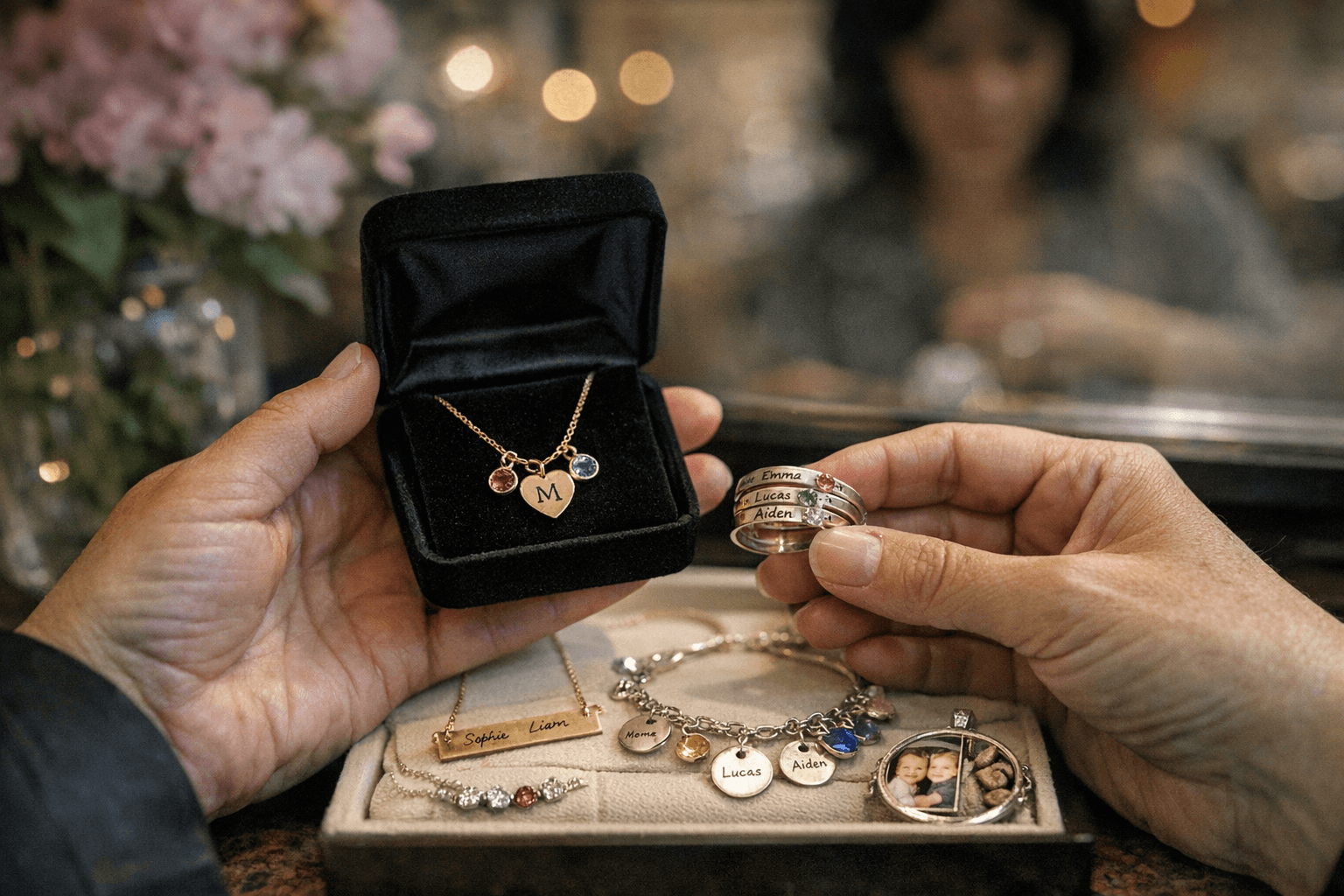
For a gift-giver, that translates directly into choices. A custom illustration of someone's home ($80 to $150 from independent artists on platforms like Etsy) lands harder than a monogrammed keychain because it demonstrates that you paid attention to their life, not just their initials. A curated whiskey subscription matched to a friend's documented palate outperforms a bottle chosen by price point alone. A personalized book that casts a child as the protagonist of an adventure story, available from companies like Wonderbly starting around $35, works because it's built entirely around one specific kid.
The Attentive data essentially validates what great gift-givers have always known intuitively: the effort of learning someone well enough to surprise them is the gift itself. The product is just how that effort becomes tangible. Brands that crack this earn a 93 percent retention rate. Gifts that crack this earn something harder to measure and more durable: the reputation for always knowing exactly what someone needed.
Know something we missed? Have a correction or additional information?
Submit a Tip