AI-assisted gift discovery drives more valuable retail visits, Adobe says
AI-referred shoppers generated 53% more revenue per visit, signaling a bigger payoff for personalized gifts that require comparison and confidence.

AI-assisted shoppers are becoming the most valuable visitors on retail sites, and that matters most in personalized gifts, where every purchase asks for comparison, customization and confidence. Adobe Analytics found that shoppers arriving from large language models such as Gemini and ChatGPT generated 53% more revenue per visit than shoppers from non-AI sources.
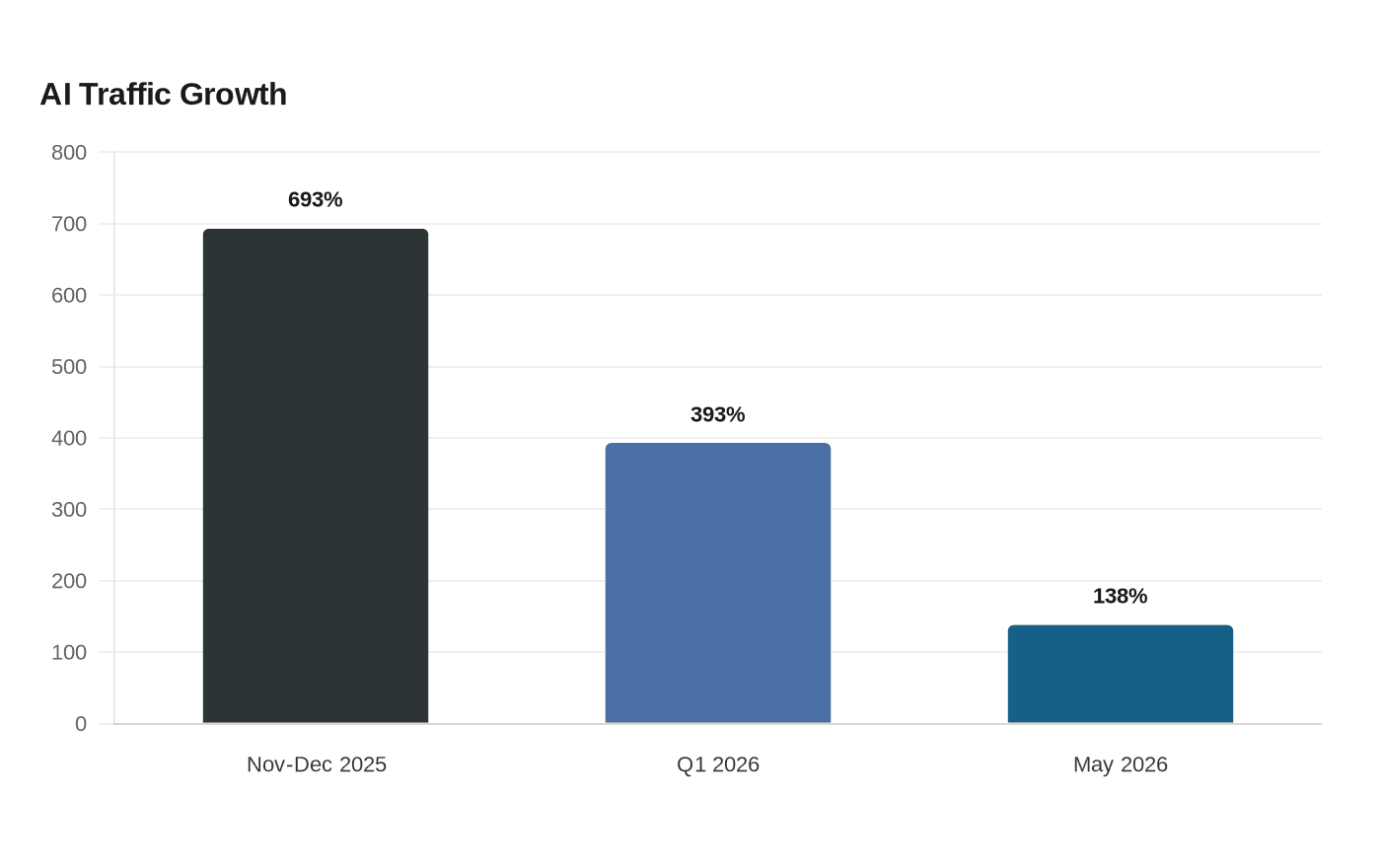
The volume behind that value is rising fast. AI-referred traffic to U.S. retail sites climbed 138% year over year in May 2026, Adobe said, the highest share of total retail visits since it began tracking AI referrals in October 2024. That followed 393% growth in the first quarter of 2026 and a 693% surge during the November-December 2025 holiday season.

Adobe’s consumer research helps explain why the category fits. In a survey of 5,000 U.S. consumers, 39% said they had used generative AI for online shopping, and 85% of those said it improved their experience. Earlier shopping research showed people were already turning to AI for research, product recommendations, deals, shopping lists, present ideas, finding unique products and virtual try-on, exactly the kind of tasks that can move a gift purchase from vague to specific.
The on-site behavior is just as important as the traffic spike. In March 2026, AI traffic converted 42% better than non-AI traffic, engagement was 12% higher, visits were 48% longer and shoppers viewed 13% more pages per visit. For brands selling monogrammed leather goods, custom jewelry, engraved home pieces or made-to-order keepsakes, that extra time suggests shoppers are arriving with intent, then using retailer sites to compare materials, finishes and delivery options before committing.
Vivek Pandya, Adobe’s director of digital insights, said that “retailers whose products surface in LLM suggestions can drive more personalization for shoppers who leave the AI platforms to complete purchases on retailer websites.” Adobe, which said its retail insights are based on more than 1 trillion visits to U.S. retail sites, has also introduced an AI Content Visibility Checker to show what content AI tools can and cannot read on a webpage.
For gift retailers, the takeaway is plain: product pages need fuller descriptions, customization tools need to be easier to surface, and discovery has to be friendly to prompts as well as search bars. In a market built on meaning, the brands that make themselves legible to AI may be the ones that win the most deliberate shoppers.
This article was produced by Prism’s automated news system from verified source data, official records, and press releases, then run through automated quality and moderation checks before publishing. The system is built and supervised by the people who set the standards it runs under. Read our full AI policy.
Know something we missed? Have a correction or additional information?
Submit a Tip