Mother’s Day disappointment fuels push-present conversation for first-time moms
New moms are naming the gap between expected gratitude and lived recovery, and that is pushing push presents toward care, rest, and recognition.
The gap that keeps opening after birth
Mother’s Day is supposed to feel like a victory lap, but for many first-time moms it lands like a reminder of everything they are still carrying. Caitlin Murray’s recent essay for TODAY captures that split plainly: after her first birth, she felt unprepared for how hard newborn life would be, and the holiday that followed did not match the scale of the work she was doing. That emotional mismatch is exactly why push presents have moved from a sweet side note to a sharper cultural signal, because they are one of the few gestures that can be timed to childbirth itself, not just to a calendar holiday.

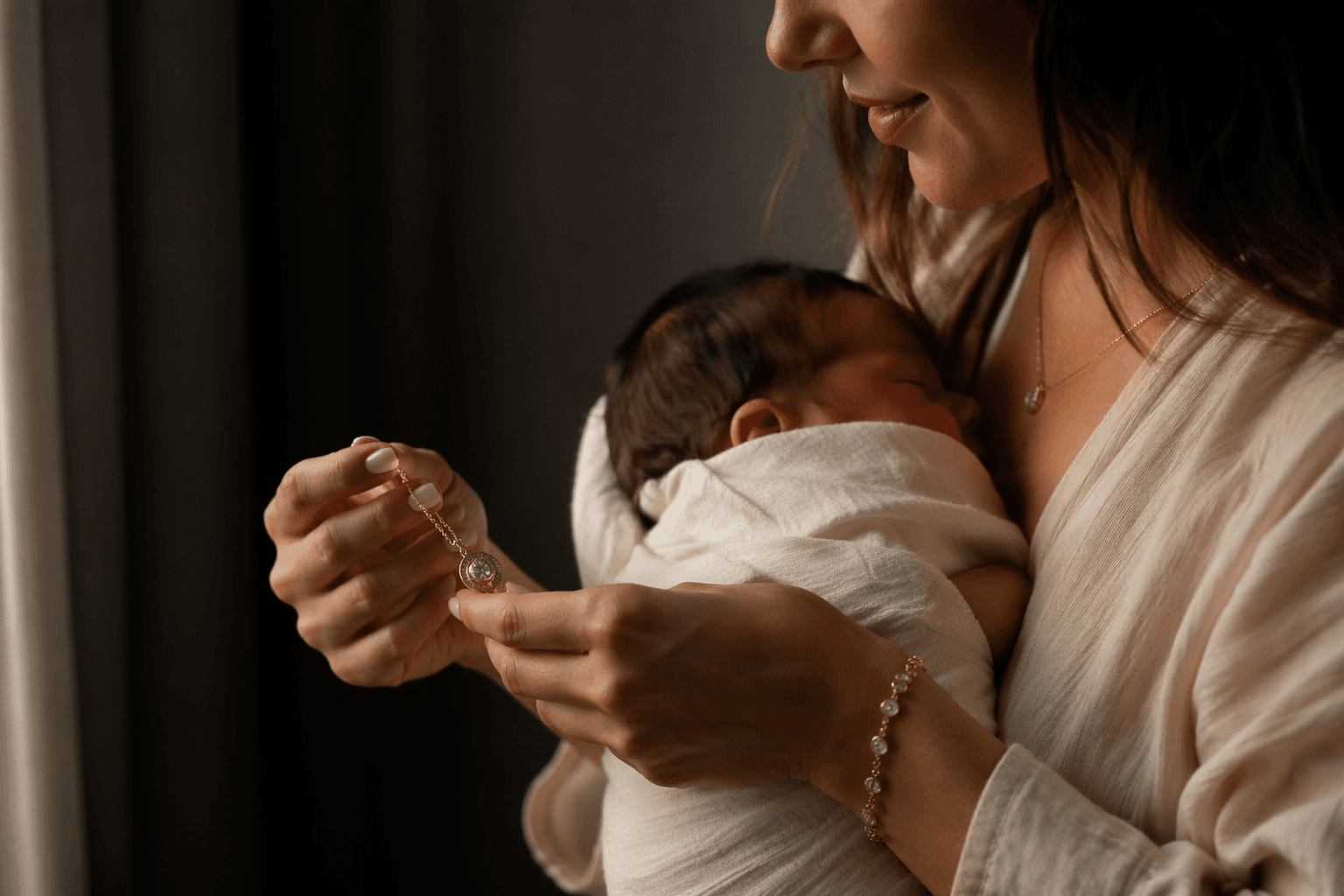
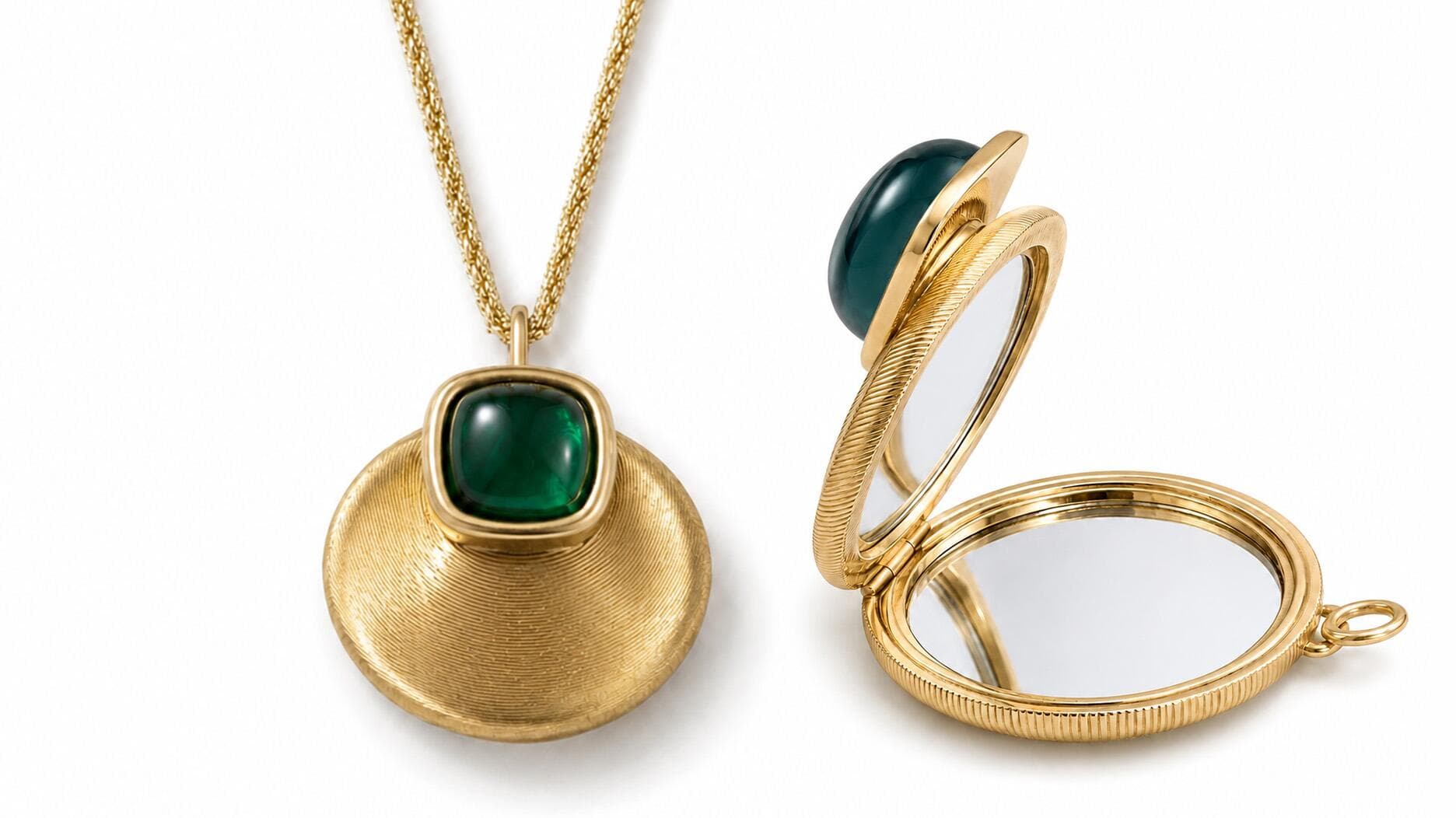
The conversation is bigger than jewelry, and that is what makes it useful. In TODAY’s framing, a push present is simply a gift from a parenting partner to the pregnant person around the time of birth, and the category now stretches from a candle or bathrobe to jewelry, cars, or vacations. The range matters: it shows that the point is not luxury for its own sake, but acknowledgment, recovery, and the very real labor that begins once the baby arrives.
Why first-time moms are asking for more explicit recognition
The current push-present debate is really an expectation gap story. New mothers are often waiting for their partners to intuit what feels meaningful, while their partners are often guessing from a tired, inherited script of flowers and a card. TODAY’s broader Mother’s Day coverage sharpened that point by including Alexandra Spitz, the founder of New Mom School, who says she asks the first-time mothers in her mid-May classes how their Mother’s Day was because so many feel let down by it.
That disappointment is not just about gifts being too small. It is about the invisible work that comes with early motherhood, the physical recovery, the interrupted sleep, and the mental load of caring for a newborn while also becoming a different version of yourself. A push present becomes emotionally legible when it reflects that reality, which is why the most thoughtful versions tend to be the most specific ones, not the most expensive ones.
The holiday itself has a complicated history
The push-present conversation is also unfolding against a Mother’s Day tradition that has never been simple. Anna Jarvis organized the first formal Mother’s Day church service in Grafton, West Virginia, in 1908, and the holiday became an official U.S. observance in 1914. Jarvis later denounced the commercialization of the day and spent the rest of her life trying to abolish it, which makes modern frustration around manufactured sentiment feel almost built into the holiday’s origin story.
That history matters because Mother’s Day has always sat at the intersection of sincerity and commerce. The day was created to honor motherhood, but it quickly became a market for cards, flowers, and symbolic gestures that can feel disconnected from the actual work of parenting. Push presents, in that sense, are part of the same tension, except they ask a more intimate question: if the holiday can miss the mark, what would a more personal acknowledgment look like at the moment the work begins?
What mothers say they actually want
The most helpful clue is not in luxury retail trends, but in survey data. A YouGov poll of 500 American mothers in April 2024 found that dinner out was the top Mother’s Day preference at 36 percent, followed by flowers at 31 percent, handmade gifts at 29 percent, and gift cards at 28 percent. In a separate YouGov survey in April 2025, moms again put dinner at the top of the list, and many said they preferred experiences over expensive gifts.
That pattern is revealing because it shows a consistent preference for relief, time, and attentiveness over spectacle. Dinner out says someone handled the logistics. Flowers say someone thought ahead. Handmade gifts and gift cards land because they feel direct and useful, not because they are flashy. For push presents, the lesson is straightforward: the best gift is often the one that solves a postpartum need or marks the moment with real care, not the one that simply costs the most.
How to choose a push present that actually feels luxurious
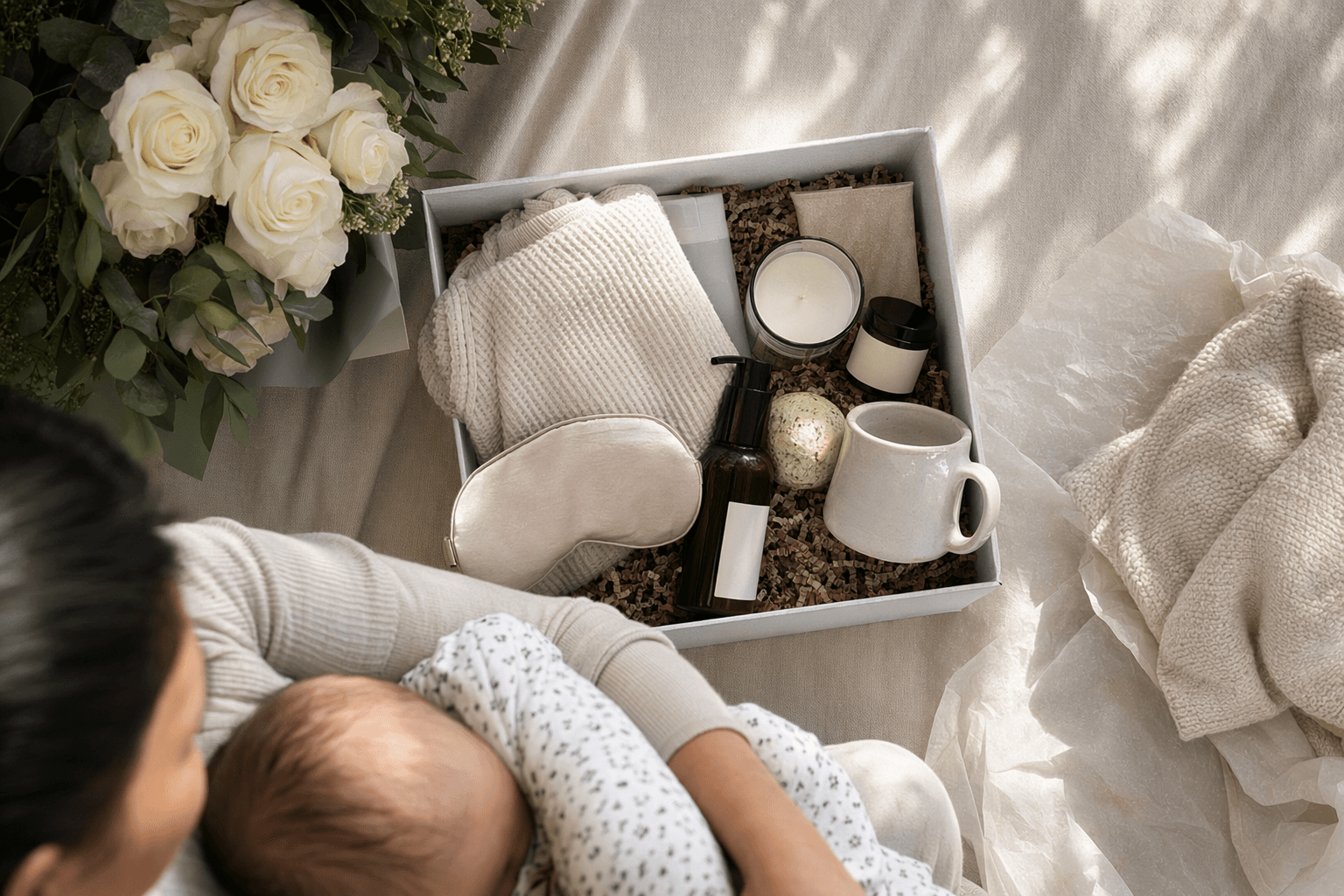
The most compelling push presents are the ones that feel like they were selected for a particular woman, a particular recovery, and a particular household. A candle can feel more luxurious than a bracelet if it is the scent she associates with calm in a house full of newborn noise. A bathrobe can outrank a necklace if it is soft, practical, and chosen for the hours spent nursing, pumping, or pacing at 3 a.m.
- For rest and recovery, think robe, cashmere socks, or a restorative home detail that makes time at home feel gentler.
- For emotional recognition, think something personalized, a keepsake, or a piece that marks the birth without feeling generic.
- For practical relief, think dinner out, a gift card, or a service that removes one task from her plate.
- For a bigger milestone, jewelry, a watch, or even a trip can work, but only if it still feels anchored to the new reality of parenthood.
A good rule is to match the gift to the stage of life, not to the tradition:
What makes these gifts feel elevated is intention. A $50 present chosen with precision can feel more luxurious than a $500 one chosen in a rush, especially in a season when so much of a new mother’s life is already reduced to errands, schedules, and survival.
Why the push-present conversation keeps growing
Push presents resonate now because they translate something abstract into something concrete: recognition. They tell a new mother that the person closest to her understands that childbirth is not just a day, but the beginning of a larger physical and emotional transition. In a culture where Mother’s Day can still fall short, the appeal of a well-chosen push present is that it arrives with better timing, better specificity, and less guesswork.
That is why the category keeps widening from traditional jewelry into candles, robes, dinners, experiences, and other forms of care. The modern version is less about one perfect object than about whether the gift reflects the labor, recovery, and identity shift that follow birth. For first-time moms, that acknowledgment is not a luxury add-on. It is the difference between being celebrated in theory and being seen in practice.
This article was produced by Prism’s automated news system from verified source data, official records, and press releases, then run through automated quality and moderation checks before publishing. The system is built and supervised by the people who set the standards it runs under. Read our full AI policy.
Did this article answer your question?