Pregnancy sleep expectations predict postpartum rest, support makes a difference
Seven in 10 pregnant women, 301 of 432, expected poor postpartum sleep, and that mindset tracked the rest they got after delivery. The best push presents may buy quiet, coverage, and help.

A push present does not have to be jewelry to feel luxurious. The most thoughtful version may be the one that protects sleep: an overnight nurse, a blackout setup, better bedding, or a partner who has already booked the help before the baby arrives.
In a study presented at SLEEP 2026, the annual meeting of the Associated Professional Sleep Societies in Baltimore, 432 pregnant women were followed from about 24 weeks of gestation through 6, 12 and 24 weeks postpartum. Seventy percent, or 301 of the 432 participants, expected poor postpartum sleep. A subset of 49 women also wore wrist actigraphy at 6 to 8 weeks postpartum, giving researchers an objective look at what happened after delivery.
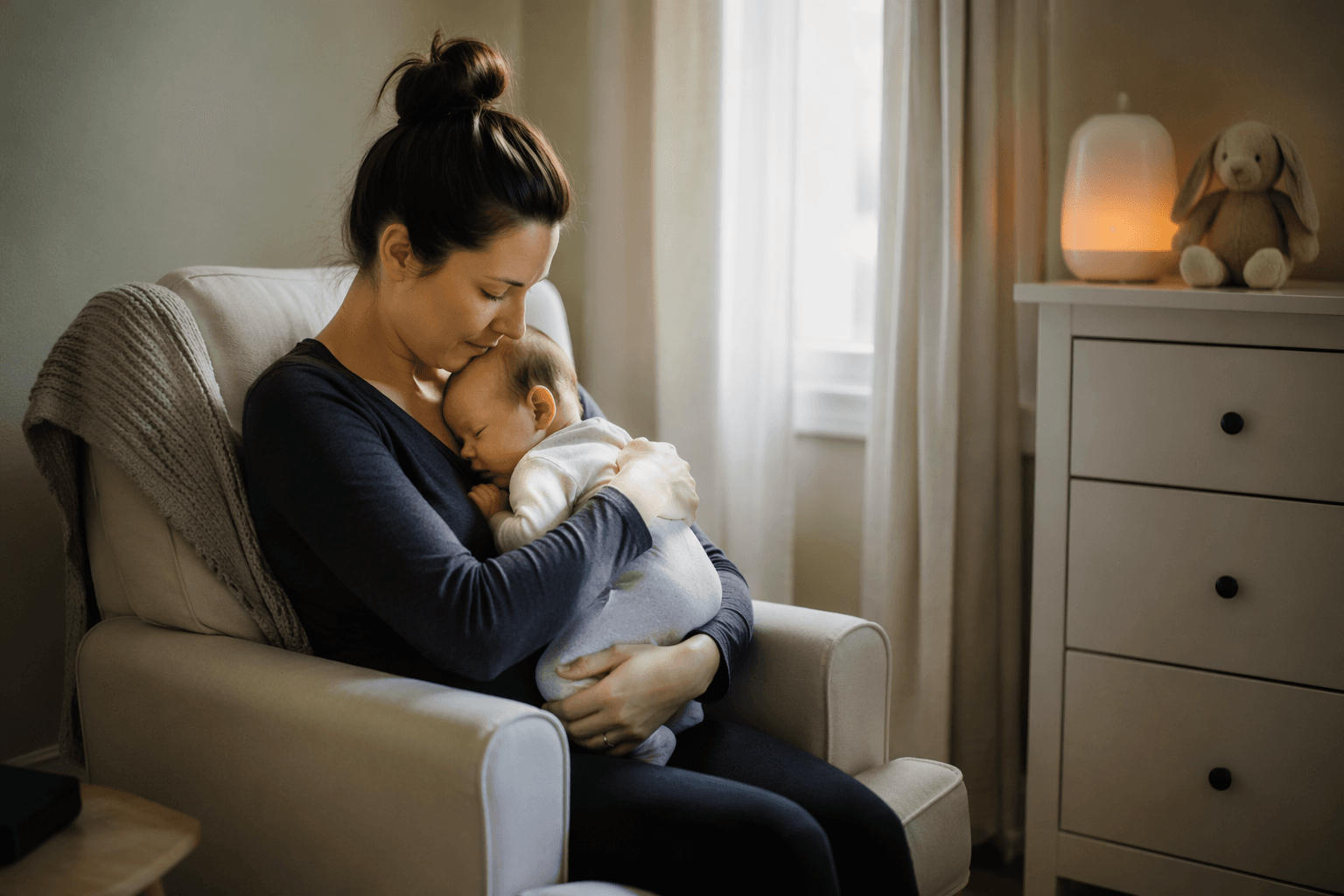
The expectations mattered. Among healthy, first-time pregnant women, those who predicted greater sleep disturbance during pregnancy had significantly more disrupted sleep after birth on both actigraphy and self-report. Among women who expected the worst sleep, higher postpartum anxiety made sleep even worse, independent of anxiety levels during pregnancy. Sammy Dhaliwal, a clinical health psychologist and research fellow at the Perelman School of Medicine at the University of Pennsylvania, said the findings point to sleep-related beliefs during pregnancy as a modifiable target before problems emerge. The American Academy of Sleep Medicine says sleep disturbance affects an estimated 60 percent to 80 percent of postpartum women and is linked to a higher risk of depression and anxiety.
That is why the smartest push presents are the ones that remove friction. A few nights of postpartum doula or night-nurse coverage is the most ambitious option, and also the most persuasive, because one protected stretch can change the whole tone of the week. Blackout curtains, a sleep mask and a white-noise machine are the better lower-cost gift for a bedroom that catches early light or sits too close to the nursery. Premium sheets, a cooling duvet or a new mattress topper are the right move when pregnancy has made the bed itself part of the problem; they are less showy than jewelry, but they can feel more generous at 3 a.m.

There is room for emotional support too. A meditation app subscription or a few sessions with a postpartum therapist fits neatly alongside the physical gifts, especially when the study links the worst expected sleep with worse postpartum anxiety. The most elegant push present may be the simplest one: a partner who has already arranged overnight coverage, stocked the fridge and protected the first stretch of postpartum life from bad sleep and avoidable strain.
This article was produced by Prism’s automated news system from verified source data, official records, and press releases, then run through automated quality and moderation checks before publishing. The system is built and supervised by the people who set the standards it runs under. Read our full AI policy.
Did this article answer your question?