Push presents for every path to parenthood, including adoption and surrogacy
The best push present is a recognition gift timed to the family’s real path, from C-section recovery and NICU homecoming to adoption placement and surrogacy arrival.
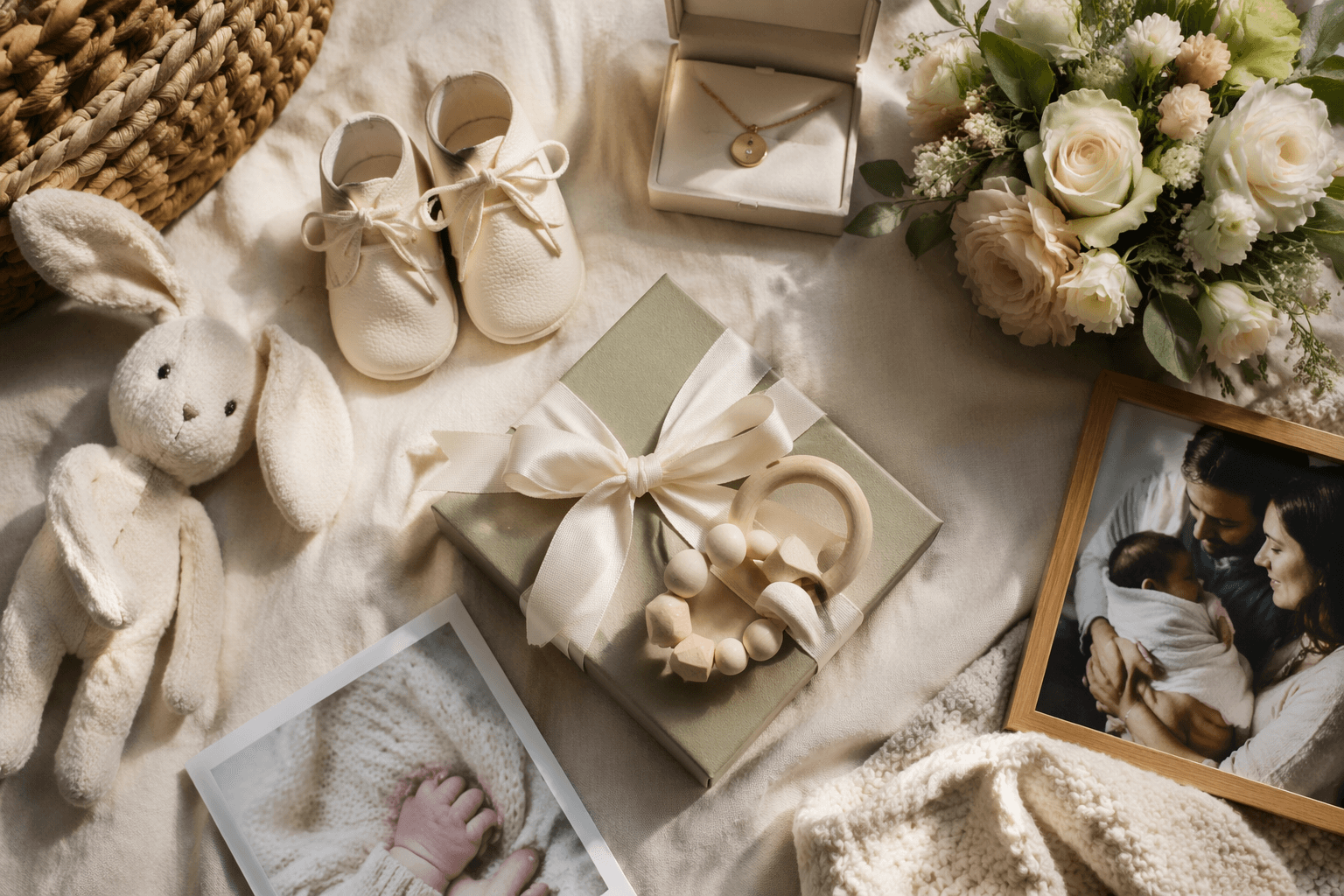
A push present works best when it feels like recognition, not performance. The smartest version of the tradition is not limited to vaginal birth at all: it can mark a scheduled C-section, an adoption placement, a surrogacy arrival, or the day a baby finally comes home after a NICU stay.
The etiquette has changed with the family it is meant to honor
The term itself has always been a little narrower than the lives it tries to celebrate. The word push centers one kind of birth experience, which is why the phrase can feel exclusionary to parents who deliver by C-section, adopt, or build families through surrogacy. That is the real etiquette shift: the gift should follow the family story, not force the family story to fit the gift.
Push presents have also moved from private custom to public ritual. TODAY’s 2007 coverage described them as gifts given by husbands or significant others after delivery, and said they had become standard in some circles. Today, the celebrity examples are part of the folklore: Jennifer Lopez received Canary diamond earrings and a matching ring from Marc Anthony after the birth of twins in 2008, and Jessica Alba received a gold-and-diamond Franck Muller watch worth more than $50,000 after her second child in 2011. The lesson is not that every push present needs to sparkle at that level, only that the tradition has always had room for sentiment, status, and surprise.
The push present also has never been universally adored. TODAY reported in 2015 that nearly half of viewers surveyed were not fans of the custom, which is useful context for anyone trying to give one well. The most successful version is not showy for its own sake. It is specific, chosen with care, and timed to a real milestone.
Let the milestone decide the moment
Brilliant Earth’s guide makes the most useful modern point: push presents can honor every path to parenthood, including vaginal delivery, cesarean birth, surrogacy, and adoption. It also gives the timing options people actually use, which can include during pregnancy, at the hospital, when the baby comes home, or during the finalization process in adoption and surrogacy cases.
That flexibility matters because the emotional center of the gift changes with the path. For a scheduled C-section, the gift can acknowledge major surgery as well as birth itself. The CDC’s provisional 2024 data put the U.S. cesarean delivery rate at 32.4% of live births, and the primary cesarean rate at 22.9 per 100 live births. ACOG defines cesarean birth as a surgical delivery through incisions in the belly and uterus, which is a clear reminder that this is not a lesser birth experience, but a different one that carries its own recovery.
For adoption, the gift can land at placement day, at the finalization hearing, or when the child comes home. CDC family-growth data show adoption is a real and documented route to parenthood, not an edge case: 1.3% of U.S. women ages 18 to 49 had ever adopted a child, 4.7% had ever taken steps to adopt, and 1.4% of men ages 18 to 49 had ever adopted a child. A meaningful gift here often works best as a marker of belonging, not biology.
Surrogacy calls for the same kind of precision. Healthline describes gestational surrogacy as a person carrying a pregnancy for someone else, often because of infertility, health issues, or same-sex family building. CDC says about 500 U.S. clinics currently provide assisted reproductive technology services, which shows how embedded these family-building journeys have become in modern parenthood. In surrogacy, the gift can arrive when intended parents meet the baby, when the surrogate delivers, or when the legal process is complete. The point is to honor the transition, not just the labor.
Families with a NICU stay often need a different rhythm again. A quiet homecoming can be more meaningful than the delivery room itself, especially when the first days of parenthood are medically complicated. In that case, the gift should feel like a release valve, something that says the hardest part has been seen.
What makes the gift feel luxurious
Luxury here is not a price point alone. A $50 gesture can feel more indulgent than a $500 one if it solves a problem, tells a story, or lands at exactly the right moment. That is why the best push presents usually fall into two buckets: keepsakes and support.
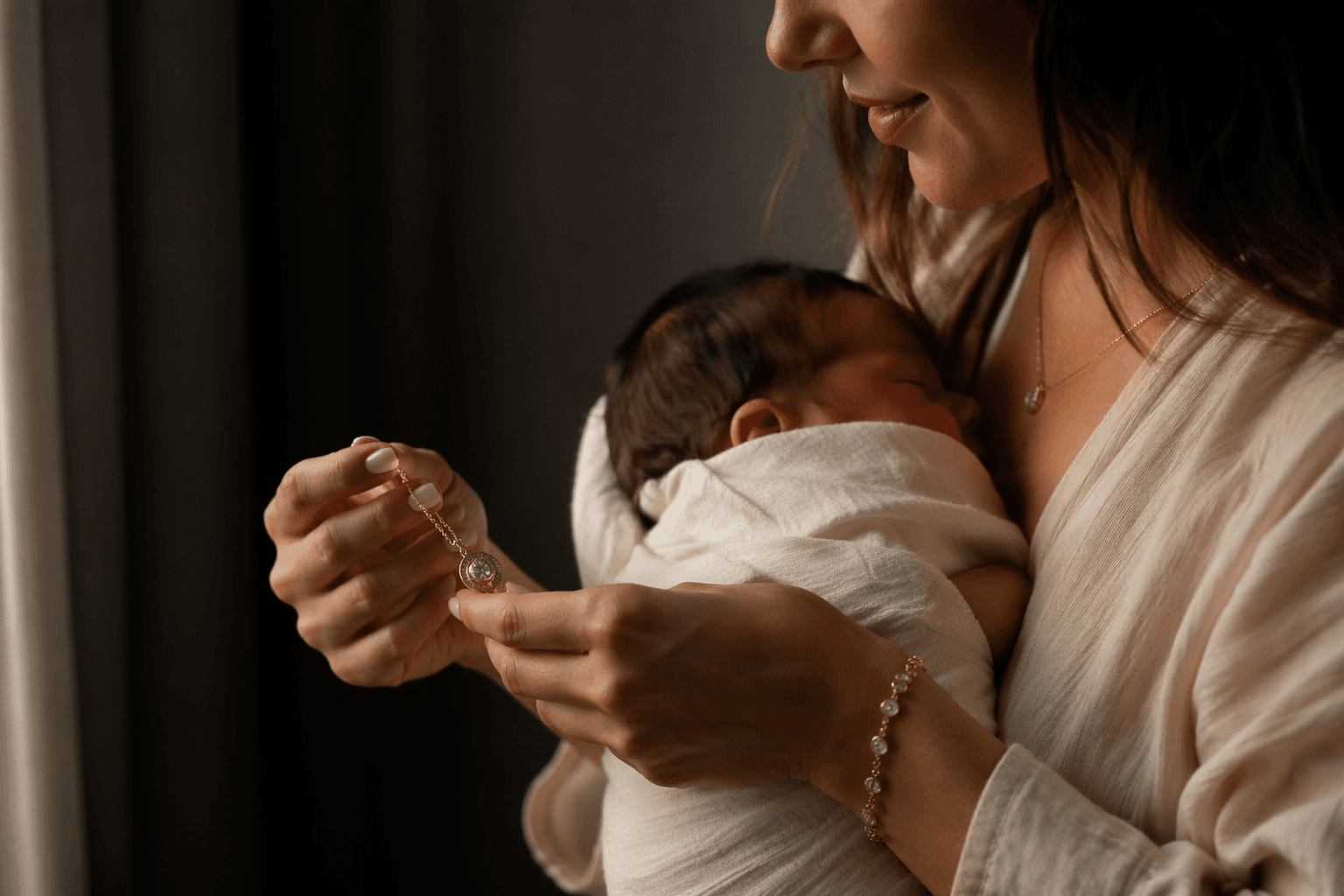
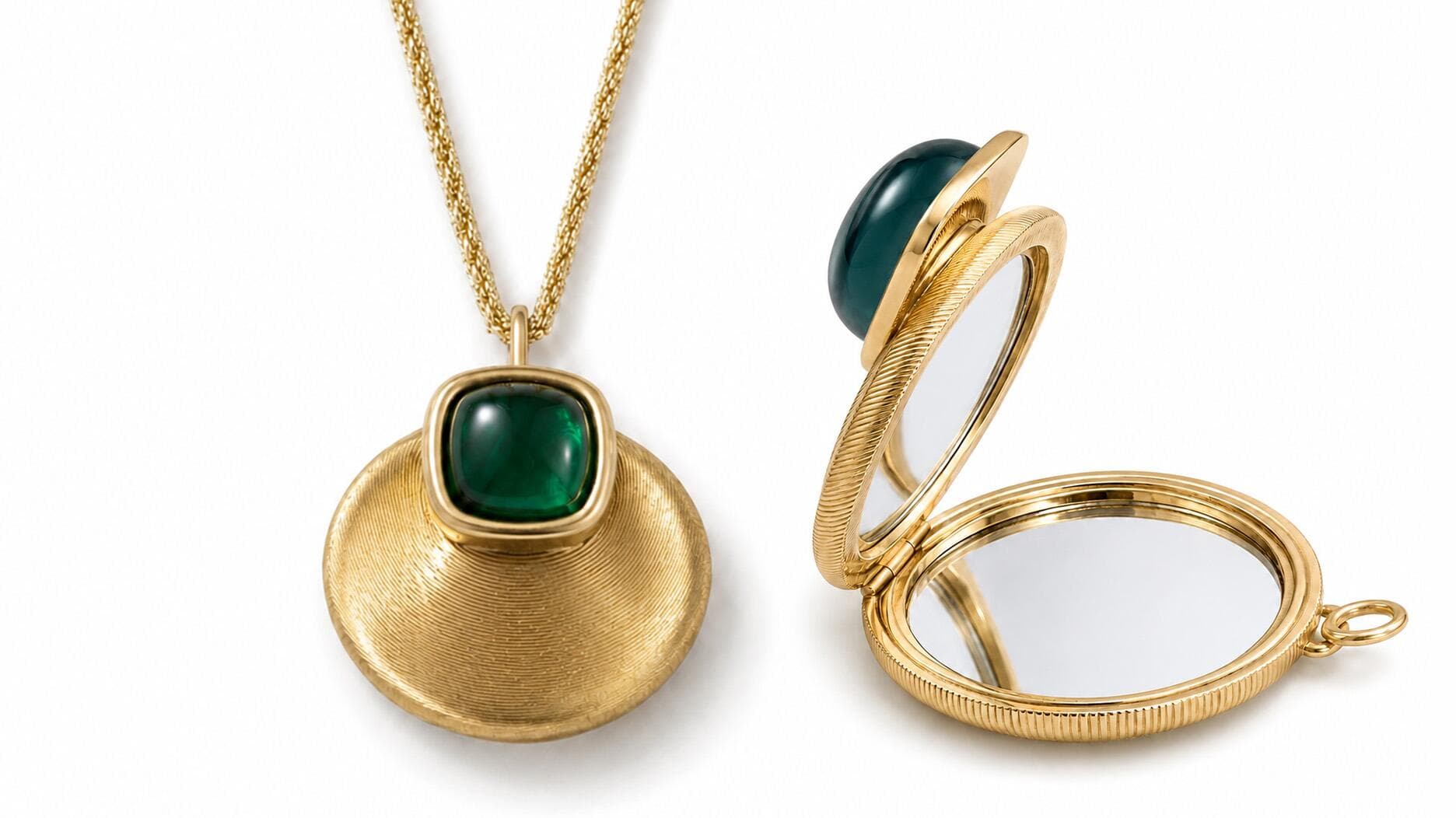
A keepsake works for the parent who wants a private, lasting reminder of the transition. That can be jewelry with initials, a birthstone, an engraved date, or a piece chosen because it will be worn long after the newborn stage ends. The celebrity examples show how far that category can go, from Jennifer Lopez’s diamond earrings and matching ring to Jessica Alba’s watch, but the same logic holds at any budget: make it personal enough to feel singular.
Support works for the parent who needs help more than hardware. That may mean a postpartum meal service, a night nurse, a house cleaning package, or a few months of practical assistance from a family member. Those gifts do not photograph as dramatically as diamonds, but they often feel more luxurious because they buy back time, rest, and dignity. The Grio’s critique of the term is useful here too: if the language feels narrow, the gift itself can be expansive.
The most modern version is the least literal one
Push presents have lasted because the underlying idea is generous. A child’s arrival, however it happens, changes the shape of a family’s life. The best gift is the one that understands that change, marks it with care, and avoids treating one path to parenthood as the default.
That is why the tradition now makes room for adoption placement, surrogacy arrival, C-section recovery, and NICU homecoming without losing its emotional point. The most thoughtful push present does not ask what kind of birth happened. It recognizes that parenthood began the moment a family became larger.
This article was produced by Prism’s automated news system from verified source data, official records, and press releases, then run through automated quality and moderation checks before publishing. The system is built and supervised by the people who set the standards it runs under. Read our full AI policy.
Did this article answer your question?