The best push present is the one she actually wants
The best push present feels private, timely, and tuned to her recovery, not like a public stunt. The smartest gifts match her preferences, not the giver's ego.

The push present goes off the rails when it starts looking like a performance. The best version feels like recognition: private, thoughtful, and matched to the woman who just gave birth, not the person doing the buying.
What a push present really is
TODAY frames push presents as gifts given around the time of birth, and the range is wide enough to explain the confusion around them: a candle or bathrobe on one end, jewelry, cars, or vacations on the other. That breadth is why the custom keeps resurfacing online, especially after a 2024 push-present TikTok video drew more than 12 million views in its first 24 hours.
The tradition is also bigger than its modern name. A recent explainer calls “push present” a relatively new term for an older idea, and it points to Godh Bharai, a women-only Indian pregnancy ceremony whose name means “filling the lap” or abundance, as a cultural precedent. That history matters because it keeps the focus where it belongs, on honoring the mother, not on turning the gift into a brandable stunt.
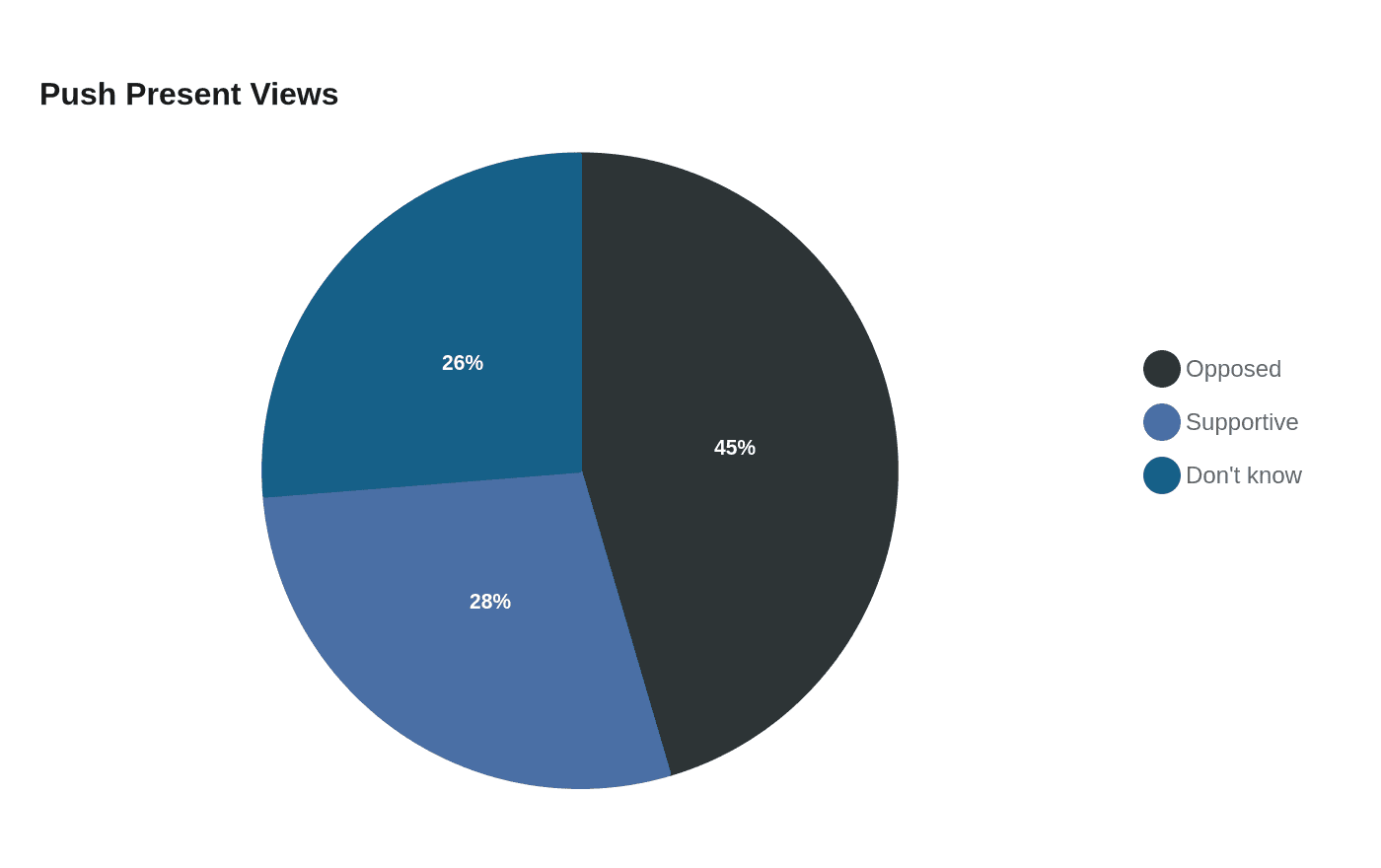
The numbers show how split people still are. The Bump’s survey found that 34% of respondents received a push present, while 38% did not receive one but wished they had. BabyCenter’s widely cited survey of more than 30,000 respondents found that 38% of new mothers received a push present and 55% of pregnant mothers wanted one, while about 40% of both groups said the baby itself was already the gift. A 2015 TODAY survey also found the custom remained divisive, with 45% opposed, 28% supportive, and 26% saying they did not know the term.
Timing is half the gift
The easiest way to make a push present feel awkward is to hand it over in front of an audience. The Bump’s push-present advice is blunt on this point: the gift should be about the woman, not the giver, and it should happen after delivery, once things have quieted down. It also recommends waiting until you are alone, because five to ten private minutes can make the moment feel sincere instead of staged.
Mothers and More pushes the timing further, recommending a few days before or after the birth rather than the delivery room. That advice is practical, not precious. It also points out that day three postpartum can be especially thoughtful because baby blues often hit then, and that cesarean hospital stays commonly last 2 to 4 days, which is a good reminder that the first stretch after birth is often medically busy, physically exhausting, and not especially gift-friendly.
If you want the gesture to land, think less about a dramatic reveal and more about calm delivery. A gift tucked into the hospital bag, or waiting at home for the first quiet moment, can feel far more intimate than anything announced to a room full of relatives.
Pick the gift for her, not for the story
The smartest push present is the one that fits the person recovering, not the fantasy of what a push present is supposed to look like. The Bump’s own advice is useful here: think in terms of her preferences and even her love language, whether that means quality time, acts of service, or something else entirely.
A few clean fits make the logic obvious:
- The woman who wants comfort may be happiest with something she can use immediately, like a bathrobe or a candle, because it gives her a small pocket of calm in a house that is about to get loud.
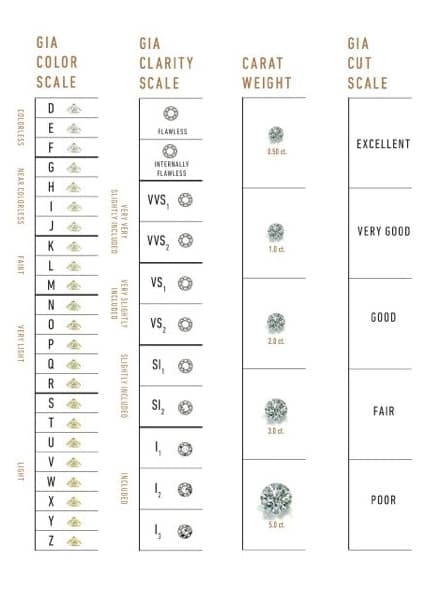
- The woman who likes keepsakes may prefer jewelry, especially if she likes pieces she can wear long after the newborn haze fades. That is why celebrity examples still stick, from Jennifer Lopez’s diamond earrings and ring in 2008 to Jessica Alba’s watch in 2011 and Beyoncé’s reported tanzanite ring in 2012.
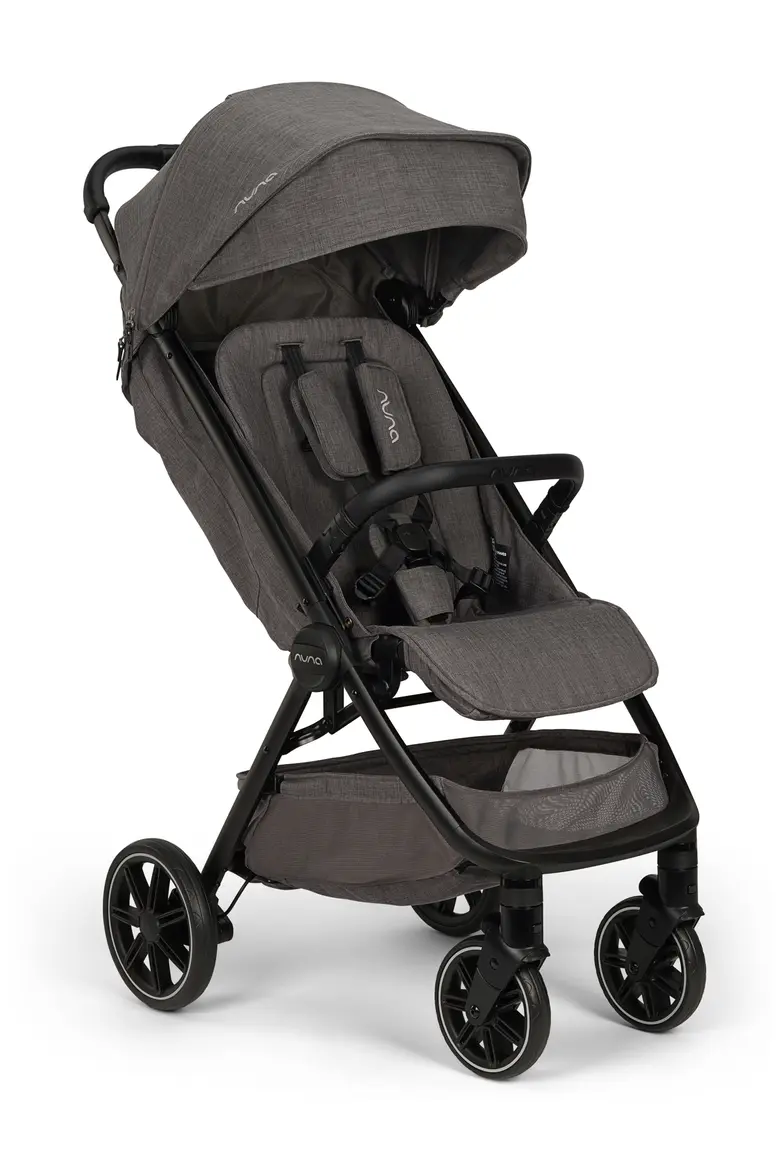
- The woman who values practicality may want baby gear, but only if that is truly her style. The Bump is clear that baby gear can work, but only when it is genuinely something she wants, not something chosen because it looks responsible.
- The woman who runs on acts of service may appreciate help more than objects. In that case, the real gift may be a plan that gives her time back, because time is what postpartum life spends fastest.
That is why broad listicles of robes, necklaces, and spa days miss the point. The right gift is not automatically the prettiest one or the priciest one. It is the one that matches how she wants to recover, rest, and remember the moment.
The note matters more than people think
The Bump’s other useful hint is the one too many people skip: include a card. Pack it in the hospital bag and write a few words that explain what the moment means to you. That small step is what keeps the present from reading like a transaction.
The card also helps with privacy. If you are giving the gift quietly, the note becomes part of the memory rather than a speech in front of an audience. That is especially important with a custom this loaded, because push presents still sit in that odd place between celebration, gratitude, and social debate.
The best version does not try to settle the whole argument. It simply gets the details right: the right person, the right time, the right amount of privacy, and the right thing for her actual life. When those pieces line up, the gift feels like care, not theater.
This article was produced by Prism’s automated news system from verified source data, official records, and press releases, then run through automated quality and moderation checks before publishing. The system is built and supervised by the people who set the standards it runs under. Read our full AI policy.
Did this article answer your question?