Thoughtful push presents that prioritize comfort, care and practicality
Thoughtful push presents are less about splurge and more about relief, care and feeling seen, from soft robes and keepsakes to practical support that lightens recovery.

Push presents work best when they feel like recognition, not performance. TODAY describes them as gifts from a parenting partner to the pregnant person around the time of the baby’s birth, and the range can be as small as a candle or soft bathrobe, or as grand as jewelry, cars or vacations. The smartest choices answer a real need: comfort in early pregnancy, relief near the finish line, a keepsake that marks the moment, or practical support once the baby arrives.
Why the tradition feels intimate and debated
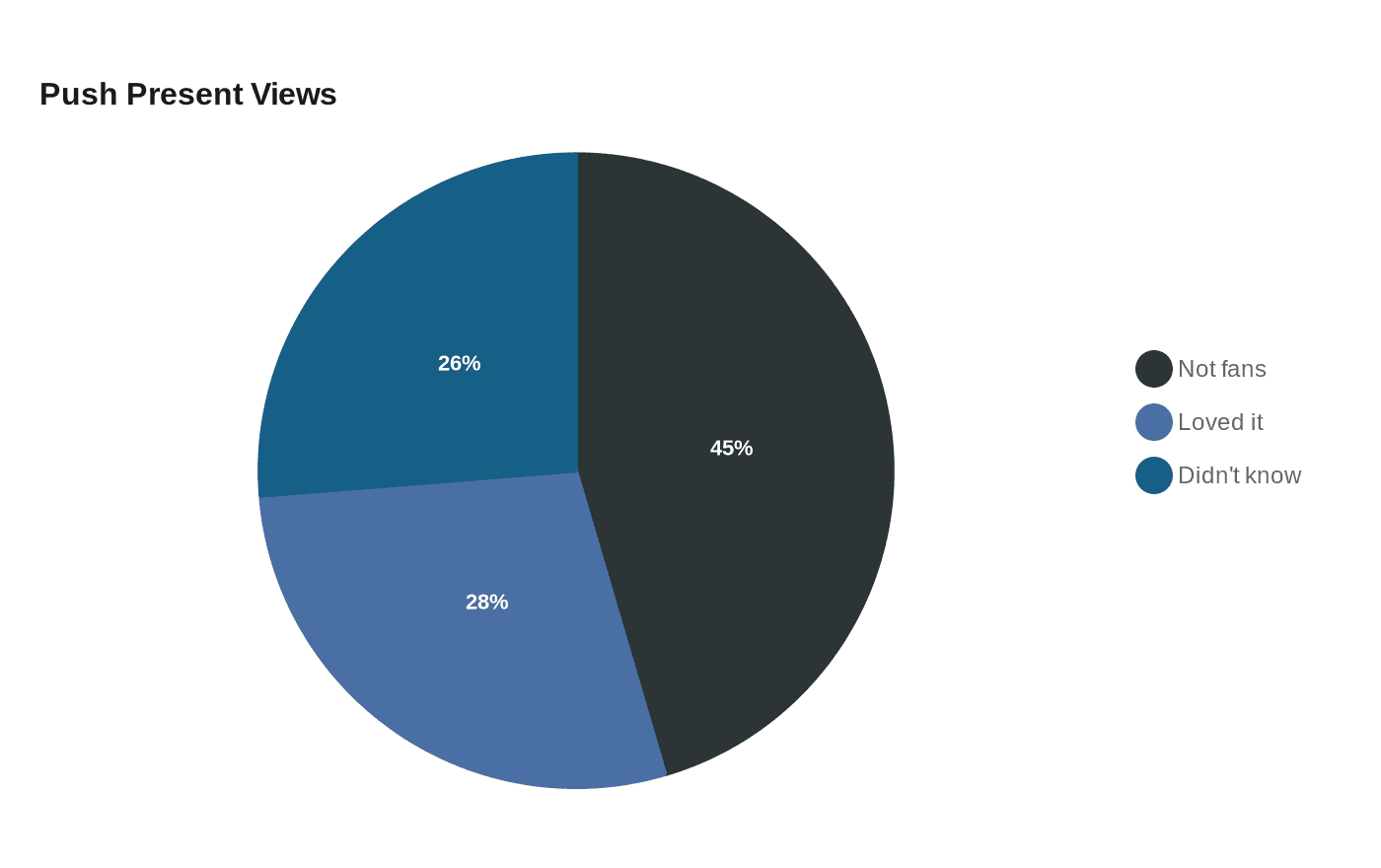
Push presents are recognizable, but they are far from universally embraced. In a TODAY survey of nearly 8,000 respondents, 45% said they were not fans of push presents, 28% loved the idea, and 26% did not know what push presents were. That split explains why the most successful gifts are rarely the flashiest ones; they are the ones that feel personal, low-pressure and clearly for the mother herself.
The Bump says push-gift ideas should largely come down to personal preference, and it is reasonable to ask directly whether a partner would like one. Forbes takes the same practical line, framing gifts for expecting moms as heartfelt, practical or pampering, and as something that should cater to the mother’s needs and wants, not just the baby’s. In other words, the right present is less about tradition than attention.
Choose by the moment, not by the label
First trimester comfort
Early pregnancy calls for softness, not spectacle. This is the moment for gifts that feel quietly restorative, such as a soft bathrobe or a small candle, the kind of thing that makes staying home feel a little more tender. If the recipient is tired, queasy or overwhelmed, a well-chosen comfort item is more luxurious than anything oversized because it will actually get used.
The best first-trimester gifts are also low-pressure. They should not announce themselves or demand a reaction; they should simply make daily life gentler. If you are unsure, The Bump’s advice is useful here: ask directly, because preference matters more than assumptions.
Third trimester relief
Late pregnancy is where practicality starts to feel especially generous. A bathrobe still works, but so do pieces that make resting, lounging and waiting a little easier. That is why luxe pajamas, for example, fit the mood so well: they are not decorative, they are functional, and they meet the recipient exactly where she is.
This is also the stage when support can matter more than objects. A night nurse, extra help at home or another form of practical assistance belongs in the conversation because the gift is not only what is unwrapped, it is what reduces strain. The most considerate third-trimester gifts are the ones that say: your comfort matters now.
Sentimental keepsakes
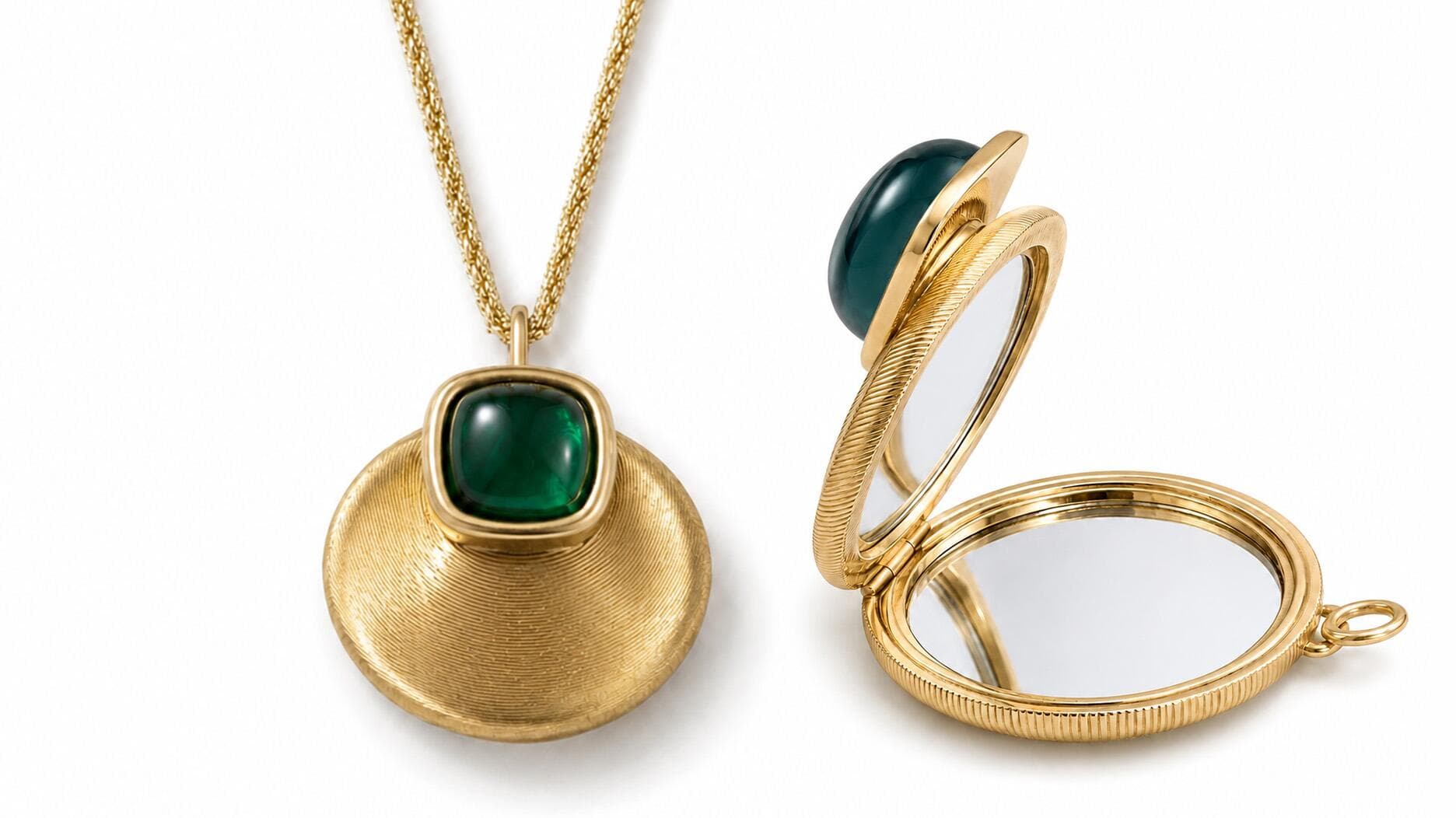
If you want the gift to mark the birth itself, jewelry remains the clearest keep-forever option. It sits at the more traditional end of the push-present spectrum, but it works when it is chosen as a private marker of a major life change rather than a public display. A meaningful piece can feel more intimate than something larger, especially if the mother prefers something she can wear long after the baby stage has passed.
The point is not to default to luxury for luxury’s sake. A thoughtful keepsake should hold emotional weight, not just monetary value. That is where jewelry, done well, earns its place: it can commemorate the moment without turning the occasion into a production.
Postpartum-ready support
The postpartum period changes the meaning of a gift. ACOG says perinatal mood and anxiety disorders are among the most common complications that occur in pregnancy or in the first 12 months after delivery, and a systematic review found that poor or insufficient postpartum social support is an important risk factor for maternal depression and stress after childbirth. That makes practical help feel less like a bonus and more like a necessity.
The CDC’s final 2024 data show 649 women died of maternal causes in the United States, with a maternal mortality rate of 17.9 deaths per 100,000 live births. In that context, gifts that reduce the mental load, preserve energy and make recovery smoother carry real emotional weight. An ice cream maker, a meal train, a clean house, extra hands or other forms of support can feel more valuable than a traditional splurge because they address the days after the flowers fade.
For anyone who needs more than a gift can provide, ACOG points to the National Maternal Mental Health Hotline, which offers free, confidential support and referrals 24 hours a day, 7 days a week. The hotline is available in English and Spanish, with interpreter services in 60 additional languages.
What to avoid
The wrong push present usually has one of three problems: it is too generic, too performative or too baby-centered. If the gift is only impressive on paper, it misses the point. If it is only for the nursery, it overlooks the person who did the work.
A better rule is to avoid anything that creates pressure. Do not assume that bigger is better, and do not treat the gift like a contest.
- Avoid buying without asking if the recipient even wants a push present.
- Avoid gifts that are all show and no use.
- Avoid making the present about the baby when the occasion is meant to recognize the mother.
- Avoid choosing something so extravagant that it feels like a burden to receive.
The most elegant push presents are rarely the loudest ones. They are the gifts that understand the moment, respect the mother’s recovery and make life a little easier, which is what makes them feel luxurious in the first place.
This article was produced by Prism’s automated news system from verified source data, official records, and press releases, then run through automated quality and moderation checks before publishing. The system is built and supervised by the people who set the standards it runs under. Read our full AI policy.
Did this article answer your question?