Why new moms say Mother’s Day gifts miss the mark
The fix is not another bouquet. New moms want rest, support, and gifts they can actually name without guilt.

Why the mark keeps getting missed
Mother’s Day is supposed to feel like a soft landing, but for many first-time moms it lands like a shrug. In a New Mom School survey of 500 moms, 76% said their first Mother’s Day did not match what they actually needed, and 70% said it did not feel truly special or supportive. The bluntest complaints were the most revealing: “Nothing was planned, no flowers, no cards. It was kind of heartbreaking,” Alexandra Spitz said of her own first Mother’s Day, and other moms described spending the day taking care of everyone else or feeling like social media had set them up for disappointment.

Why the holiday and the gift feel out of sync
That disconnect is not new. Anna Jarvis is generally recognized as the founder of Mother’s Day in the United States, after the first Mother’s Day church service in 1908 and the holiday’s elevation to a national holiday in 1914. Jarvis later turned against the commercialization she helped set in motion, which makes the modern version of the holiday feel especially ironic: the day that was meant to honor mothers so often turns into a performance of what others think a mother should want.
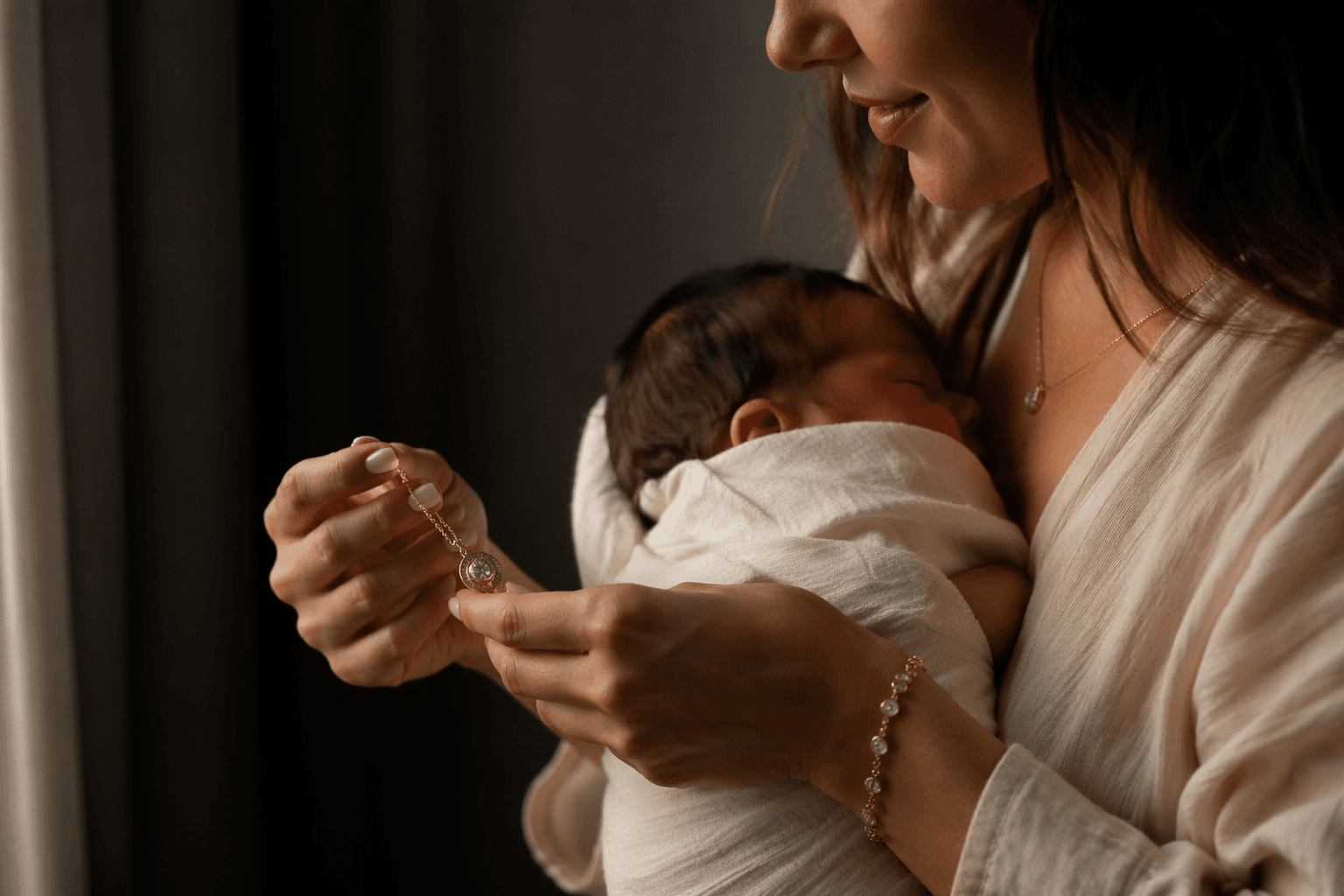
Push presents sit inside that same tension. TODAY says the origin of the push present is unclear, but celebrity examples have kept the term in the news through the years. That matters because the modern push-present conversation is no longer just about jewelry or price tags. It is about whether the gift actually says, “I see what you just did, and I know what would help now.”
The real reason support gifts land harder than symbolic ones
This is where the public-health context sharpens the story. The Centers for Disease Control and Prevention says about 1 in 8 women with a recent live birth report symptoms of postpartum depression, and little or no social support can increase risk during and after pregnancy. The National Institute of Mental Health defines perinatal depression as a mood disorder that can happen during pregnancy and after childbirth. In other words, a gift that buys rest, food, help, or one less thing to manage is not less meaningful than flowers. It is often more meaningful because it responds to the actual work of recovery.
That is also why Spitz’s advice is so useful: stop hoping people will read your mind. “Unless you speak what you want, unless you advocate for what you want, you will be let down,” she says. You do not need to turn Mother’s Day into a project, but you do need to make it easy for the people around you to get it right. Say what would make the day feel lighter, whether that is sleeping in, a meal you did not cook, a cleanup, or a gift that solves a problem instead of adding to the pile.
What to ask for, specifically
The cleanest ask is usually the least glamorous one. If you want a push present or Mother’s Day gift that actually works, start with the outcome, not the object: rest, support, time, or one beautiful thing that feels like yours again. If you want surprise, give people the lane. If you do not, send the exact link and remove the guesswork.
A few asks that make sense right now:
- A postpartum care package that is meant to be used immediately. JustBirthCo’s postpartum care package is listed at $28, marked down from $35, and it is exactly the kind of singular, need-based gift that makes sense in the hospital or during those first exhausting days at home. It feels less like a generic present and more like someone thought through recovery.
- A bathroom-recovery kit. Frida’s Postpartum Recovery Essentials Kit with Peri Bottle is $49.99 and includes an upside-down peri bottle, disposable underwear, ice maxi pads, cooling pad liners, perineal healing foam, and a caddy. This is not romantic, and that is the point: it is the sort of gift that saves a new mom from having to assemble her own comfort when she is least interested in playing pharmacist.
- Meals that show up without effort. Daily Harvest’s New Parent Support Bundle is $121.06 for 14 items, and it is built for the exact moment when cooking falls off the map. If you want something more flexible, Restorative Roots sells digital gift cards starting at $25, so she can choose when and how to use postpartum meals on her own timeline.
- A clean house, which is secretly a luxury gift. House-cleaning gift cards starting at $20 are a very practical push present because they buy back time, not stuff. For a new mother, that can feel more restorative than another object on the nightstand.
- A real break, not just a promise of one. SoJo Spa Club’s Mother’s Day offer starts with gift cards of $150 or more and adds value toward a future visit; its package includes a 60-minute massage, full-day access, valet parking, tax, and tip. That is the right move for the mom who does not need another body lotion, she needs a few uninterrupted hours where no one is asking for anything.
How to ask without guilt
The easiest way to avoid disappointment is to say what the day is for. Want Mother’s Day to feel celebratory? Say that. Want a push present to be restorative? Say that. Want no jewelry, no brunch, and no obligation to host anyone? Say that too. The old script says gratitude should be enough; the better script is clarity, because clarity is what turns a gesture into care.
That is the shift underneath this whole trend. Push presents are not really about extravagance, and Mother’s Day is not really about flowers. Both are about whether the people around a new mother can pay attention long enough to give her what she actually needs, not what looks good from a distance. A good gift does not just mark the moment of birth. It makes the next stretch of motherhood feel more human.
This article was produced by Prism’s automated news system from verified source data, official records, and press releases, then run through automated quality and moderation checks before publishing. The system is built and supervised by the people who set the standards it runs under. Read our full AI policy.
Did this article answer your question?