Brazil’s Valentine’s Day gifts get pricier, sales still seen rising
Chocolate rose 22.7% and jewelry 20% in Brazil’s Valentine’s basket, yet CNC still sees Dia dos Namorados sales reaching R$ 2.84 billion.

Chocolate, the most recognizable Dia dos Namorados purchase, became far more expensive this year in Brazil, rising 22.7% and helping push the holiday gift basket up 5.8% overall. Jewelry and bijouterie climbed 20%, flowers rose 11.3%, and the squeeze is reshaping how people build a romantic gift without losing the sense of occasion.
The pressure is not coming from seasonal demand alone. CNC-linked analysis pointed to climate-related disruptions in cocoa supply, especially in West Africa and southern Bahia, as a major reason chocolate prices surged. That matters because chocolate remains the easiest symbolic purchase for the holiday: it is small, social, and usually paired with another gesture. When that anchor item jumps by nearly a quarter, the whole basket feels more expensive, even before a buyer reaches for jewelry or flowers.

Still, the market is not shrinking. The Confederação Nacional do Comércio de Bens, Serviços e Turismo said on June 8 that Dia dos Namorados commerce in 2026 should total R$ 2.84 billion, a real increase of 2.5% from the R$ 2.77 billion estimated for 2025. CNC ranked the date as Brazil’s sixth most important retail holiday by financial movement, a reminder that even in a tighter consumer climate, people are still willing to spend for the occasion.
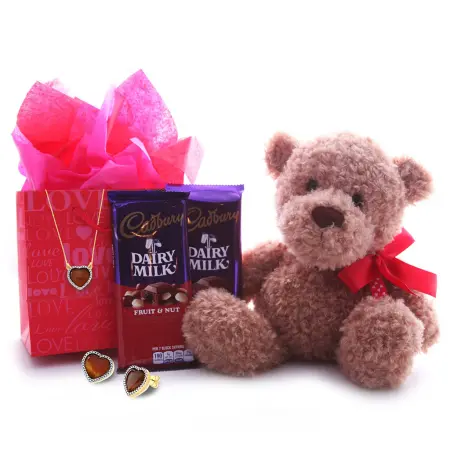
That is where the trade-off becomes clear. Some shoppers will trade down on volume, choosing a smaller box of chocolate or a simpler bouquet so they can hold the line on budget. Others will trade up in one category, skipping a mixed basket and buying a single stronger piece, such as a better-made box of chocolates or a modest but more considered item of jewelry. In a year when inflation and high interest rates continue to weigh on households, the most luxurious gesture may be the one that looks edited rather than extravagant.
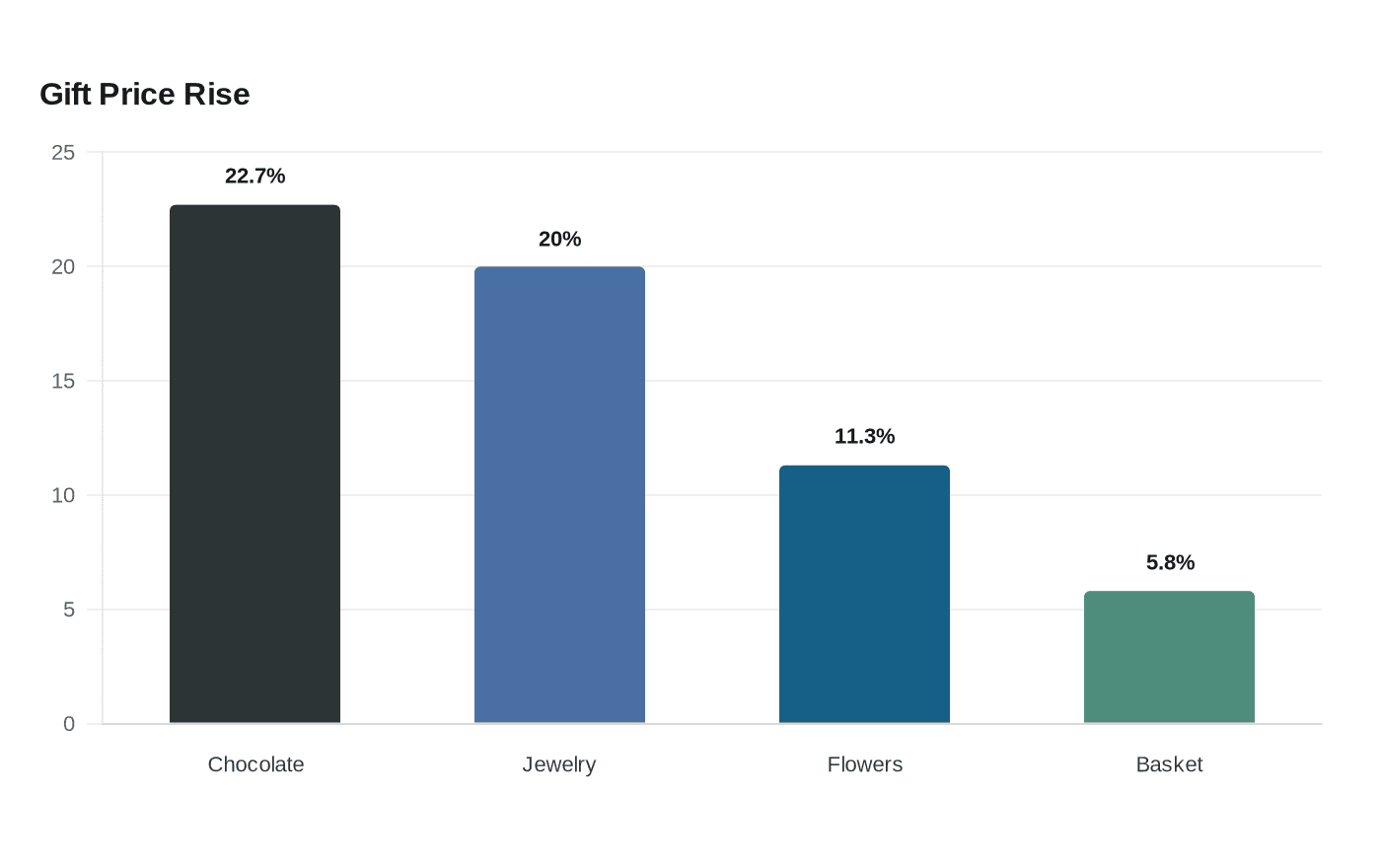
The larger story is not that Valentine’s gifts disappeared, but that their most familiar components got materially pricier. For buyers, the lesson is practical: the romance still sells, yet value now depends less on piling up items and more on choosing one gift that feels deliberate enough to stand on its own.
This article was produced by Prism’s automated news system from verified source data, official records, and press releases, then run through automated quality and moderation checks before publishing. The system is built and supervised by the people who set the standards it runs under. Read our full AI policy.
Did this article answer your question?