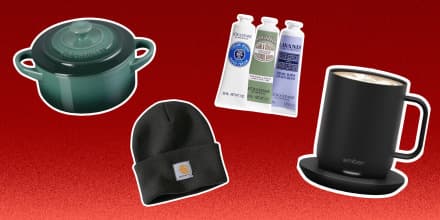
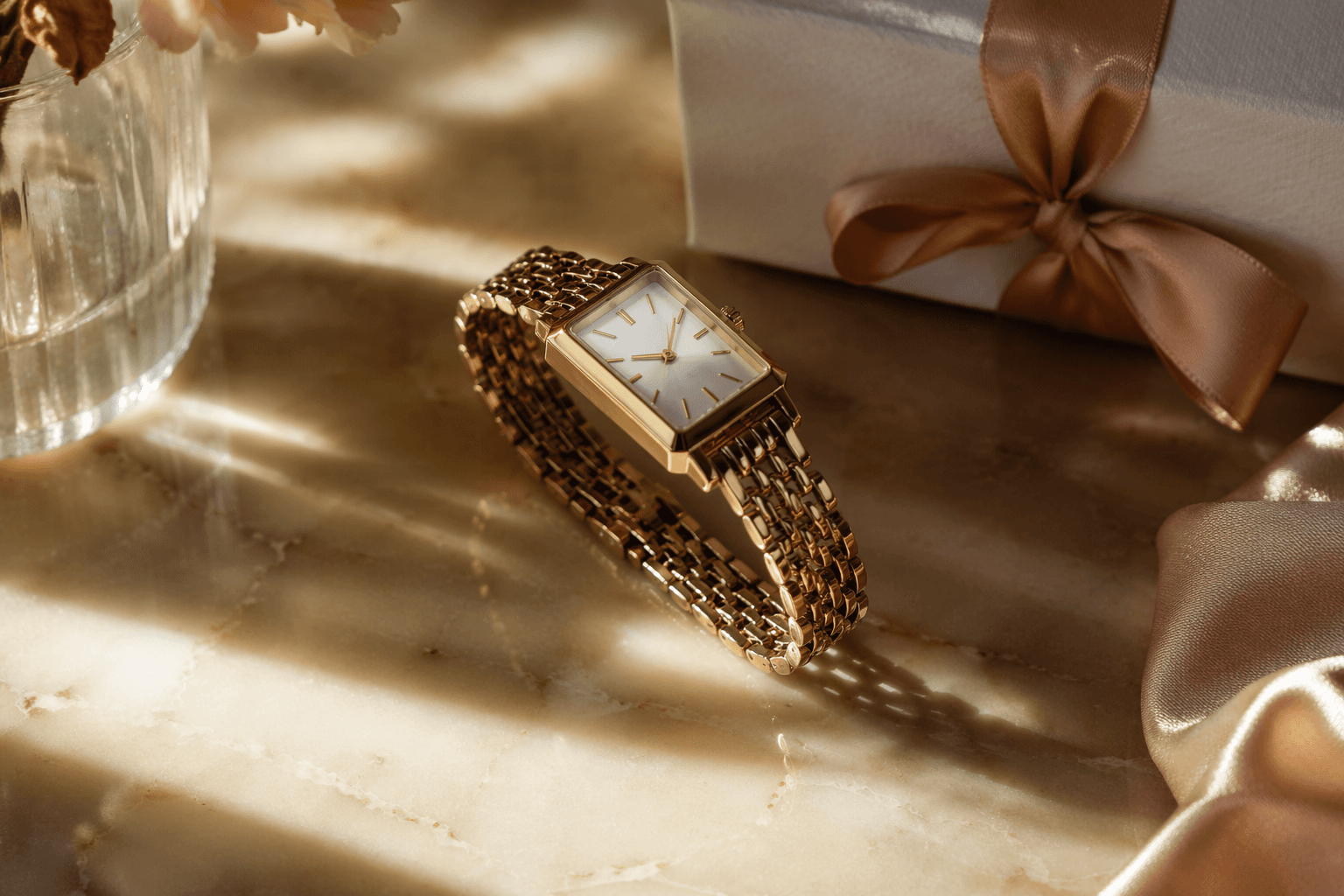
Valentine's Day gifts, why you're overthinking the perfect present
The best Valentine’s gifts are not the priciest ones; they are the ones that prove you noticed the details that make this relationship yours.
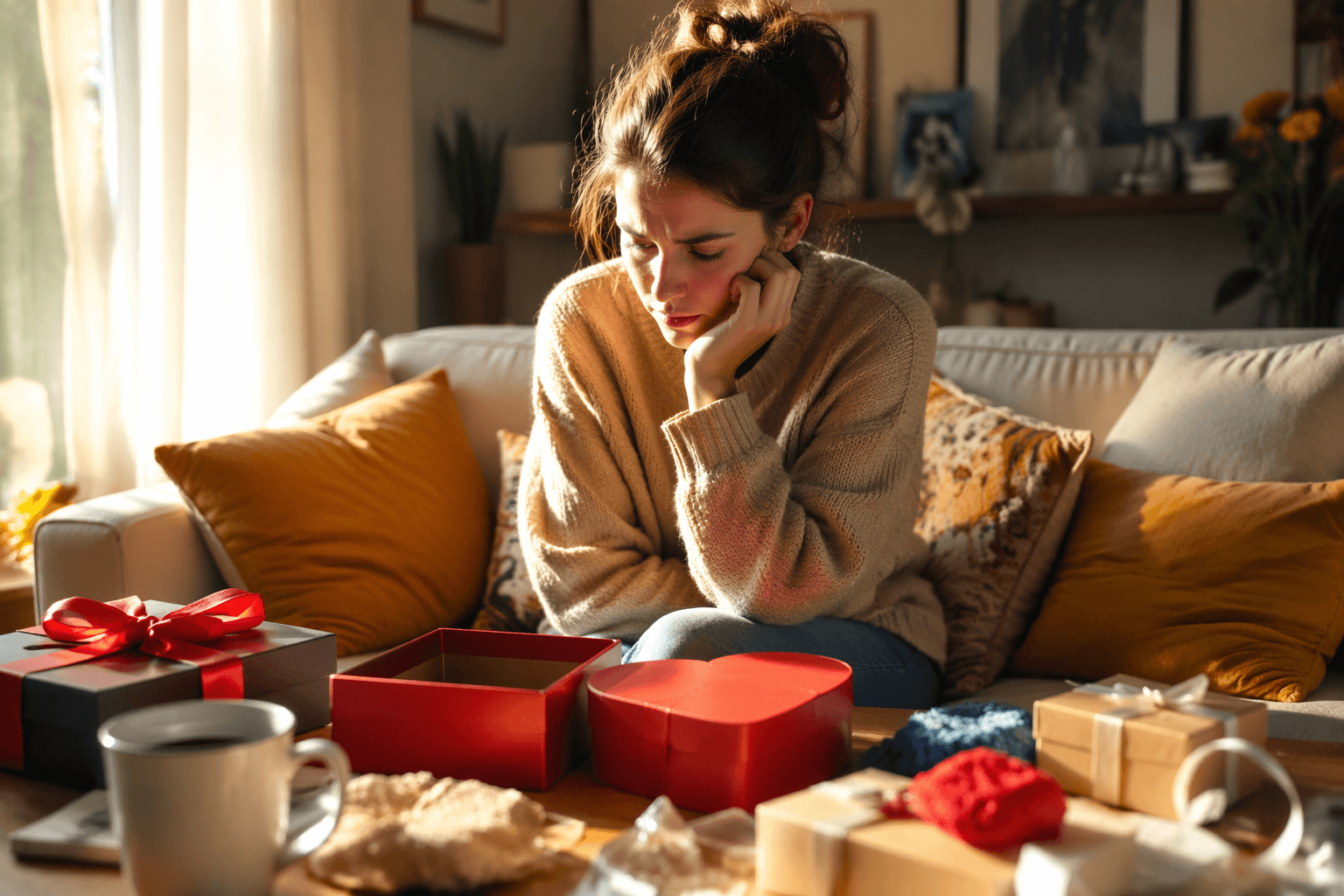
A reservation at the quirky pub from your third date will often beat a costly dinner at the hottest table in town. Behavioral science shows you are probably worrying more about choosing badly than your partner is about receiving something imperfect, which is why a gift tied to a shared memory or daily ritual often lands harder than a glossy but generic splurge.
Why you are probably overthinking it
A 2025 study by Yumei Mu and Julian Givi in the *European Journal of Marketing* tested gift selection across five experimental studies and found a clear “who cares more” asymmetry. Givers judged it as more important than recipients that a good gift be selected, largely because givers overestimated the negative implications of giving a bad one. That pressure eases when the relationship is negative rather than positive, which is another way of saying the anxiety is strongest when you actually care.
You reach for the safest expensive thing, often because it seems less likely to look cheap, corny, or incompetent. But the research points in the opposite direction: your partner is more likely to remember whether the gift reflected the relationship than whether it exhausted your budget.
The gift gap is where the best ideas live
The sharper concept is the “gift gap,” the space between what givers think matters and what recipients respond to. Givers tend to prioritize practical care, while recipients respond to gifts that signal the relationship itself. In practice, that means the best Valentine’s gifts are usually anchored in memory, not market price.
The same logic applies to anything that pulls from your shared history: a place you always stop after a concert, the restaurant where you once celebrated something small but memorable, or a ritual you have built together over time.
Personalized gifts can raise recipients’ self-esteem and create “vicarious pride,” the feeling that mirrors the giver’s pride in making something unique. Researchers at the University of Bath ran four studies, including one with 74 participants and another with 134 participants, and found that customization increased appreciation even when the giver’s time and effort varied.
How to choose better, not just bigger
If you want the gift to feel luxurious, start with the relationship and work outward. A luxury gift is not simply the most expensive object on the table; it is the one that feels inevitable once you know the person well. That can be an experience, a small object, or something almost embarrassingly simple, as long as it shows you were paying attention.
Use this as a quick filter before you buy:
- Does it reference a shared memory, such as a first date, a favorite trip, or a place you both return to?
- Does it connect to a daily habit, like the coffee they make every morning or the reading routine they never miss?
- Does it nod to an inside joke or a phrase only the two of you use?
- Would it still feel meaningful if no one else understood the context?
If the answer is yes, you are in the right territory. If the answer is no, even a pricey gift can feel flat.
That is why the usual Valentine’s categories, candy, flowers, greeting cards, an evening out, and jewelry, work best when they are customized to the person in front of you. A bouquet chosen because it is her favorite bloom is different from a standard holiday arrangement. Jewelry with a date, symbol, or stone that means something to both of you is different from a safe, anonymous sparkle. Even a greeting card can feel elevated if it carries one specific memory instead of a prewritten sentiment.
Why the holiday still feels so commercial
The National Retail Federation projected record Valentine’s Day spending of $27.5 billion in 2025, with average planned spending at $188.81 per person and 56 percent of consumers saying they planned to celebrate. Online was the top shopping destination at 38 percent, and spending on significant others alone was expected to reach $14.6 billion.
That does not mean the right answer is to spend more. It means Valentine’s Day sits inside a very old commercial system, one that has been building for well over a century. Hallmark traces J.C. Hall’s Valentine’s Day business to postcards in 1910, greeting cards in 1912, and its first Valentine’s Day cards in stores by 1916. The holiday itself reaches much further back, through Roman Lupercalia and Geoffrey Chaucer’s 1375 poem *Parliament of Foules*, which helped link February 14 with romance.
This article was produced by Prism’s automated news system from verified source data, official records, and press releases, then run through automated quality and moderation checks before publishing. The system is built and supervised by the people who set the standards it runs under. Read our full AI policy.
Did this article answer your question?