Chelsea Flower Show trends point to richer Valentine’s plant gifts
Chelsea’s 2026 garden cues point to Valentine’s gifts with more depth: red plants, useful foliage, and arrangements that last longer than cut roses.
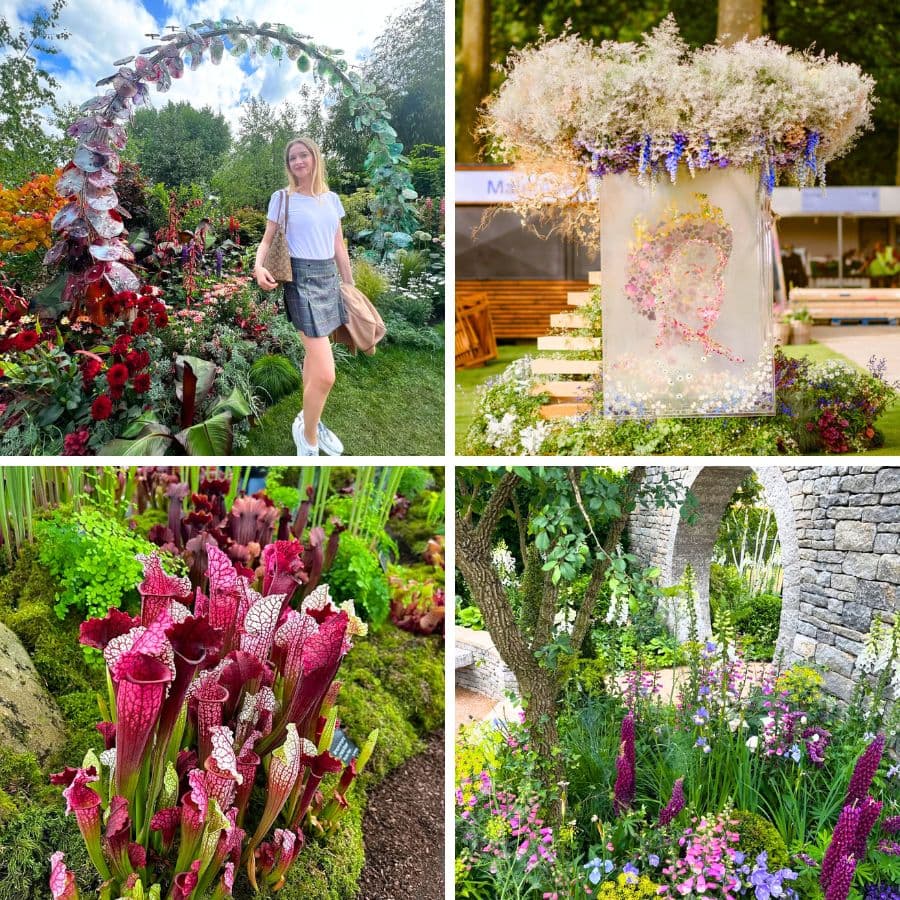
Chelsea’s Valentine signal is clear: give plants with presence
The strongest Valentine’s flowers this year feel less like a quick bouquet and more like a considered object. Chelsea Flower Show’s 2026 palette leaned into earthy reds, ornamental grasses, symbolic planting and plants that actually earn their keep, which is exactly why the trend translates so cleanly into gifting.
Why Chelsea matters for Valentine’s giving
RHS Chelsea Flower Show ran from 19 to 23 May 2026 at the Royal Hospital Chelsea in London, and the show still operates as the industry’s most potent mood board. The Royal Horticultural Society describes it as the world’s most famous flower show and a major source of inspiration, education and shopping for gardeners, and this year’s emphasis on biodiversity, pollinator-friendly planting, resilience, symbolic planting and Japanese gardening influences made the message especially useful for gift buyers.
Helena Pettit, the RHS Director of Shows, said the gardens showed the “transformative benefits” of gardening and focused on “hope and resilience.” That is a useful frame for Valentine’s Day: the right plant is not just decorative, it signals care, continuity and attention. In gifting terms, that means you can move beyond the default dozen roses without losing romance.
The new red is richer, earthier and more layered
Red still leads the Valentine conversation, but Chelsea pointed toward a deeper version of it. Garden Center’s roundup highlighted earthy reds and blooms that do more than just look pretty, and the RHS star-plants coverage echoed the same direction with a deep, rich, royal red peony: Paeonia ‘Buckeye Belle’.
That matters because red is no longer just about intensity. It is about texture, foliage, and how the plant behaves over time. The RHS Chelsea Plant of the Year shortlist pushed exactly those qualities forward, with judges rewarding novelty and innovation, garden performance and likely appeal for UK gardeners. This is a very giftable standard: a plant should look exceptional, but it should also settle in well and keep giving.
The 2026 winner, Hosta RED NINJA, took 30 votes out of 139 from the expert panel. Its deep purple-red, green-edged foliage gives it a moody, sophisticated look, and it is low-maintenance enough for mixed borders, balconies and terraces. Second place, Hydrangea paniculata GROUNDBREAKER RUBY, shifts from white to pink to ruby-red, which makes it feel alive rather than static. Third, Hydrangea VELVET NIGHT RED LACE, pairs near-black foliage with vivid red lacecap flowers, a combination that feels especially luxurious because it leans into contrast instead of simple brightness.
For Valentine’s giving, that means the most compelling red gifts are not necessarily the loudest. They are the ones with depth, movement and a little surprise.
Plants that do a job feel more luxurious than flowers that simply fade
Chelsea’s broader message was just as important as its color story. The Great Pavilion, the 113-year-old centerpiece of the show, is where world-leading horticulture and National Collections come together, and the official tips and trends report notes that growers and nurseries use cold stores and greenhouses to hold back or advance plants so they peak in late May. That level of precision is part of the appeal: luxury here is timing, not just price.
The practical takeaway is that Valentine’s gifts can now comfortably include plants with a function. A gift that offers foliage, structure, food, habitat or fragrance often feels more thoughtful than something chosen only for the day itself. It also lasts longer, which matters when the emotional goal is to keep the gesture alive past February 14.

Consider these categories:
- For a romantic partner: Paeonia ‘Buckeye Belle’ makes sense if you want a red gift with drama and tenderness. It is rich enough to feel ceremonial, but it still reads as natural rather than overworked.
- For a plant-loving recipient: Hosta RED NINJA is ideal for someone who appreciates foliage as much as bloom. Its low-maintenance nature and suitability for balconies and terraces make it practical as well as striking.
- For a more enduring Valentine gesture: Hydrangea paniculata GROUNDBREAKER RUBY offers a changing color story, which gives the gift a longer emotional arc.
The Great Pavilion’s useful plants point to a smarter kind of romance
The most interesting Chelsea gardens did not stop at beauty. The RHS x CITI Season of Abundance exhibit used 35 metres of path and 4,000 plants to explore drought-tolerant planting, small-space food growing and sustainable gardening. She Grows Veg’s “Feast” promoted flavour-rich heirloom vegetables, wellbeing and zero-food-mile produce. The Eden Project garden highlighted climate-resilient, edible and useful plants, plus pollinator-friendly planting, rainwater harvesting, reused materials and dye plants.
That mix changes the Valentine’s playbook. A plant gift can now be romantic because it is useful, not despite it. A culinary herb display, a small edible planter, or a drought-tolerant arrangement with elegant structure can feel more intimate than a standard floral delivery because it reflects the recipient’s life, not just the holiday.
- edible plants for the cook
- pollinator-friendly varieties for the wildlife-minded
- drought-tolerant selections for a sunny balcony or city terrace
- ornamental grasses and architectural foliage for a gift that feels modern and sculptural
If your recipient is the sort who cares about growing things, Chelsea suggests gifts with a clear second use:
How to make the gift feel finished
The presentation matters as much as the plant. Chelsea’s trends favor arrangements with texture, so think in layers rather than single stems: red blooms with foliage, grasses with a more structured pot, or a flowering plant paired with something useful, such as a compact herb or edible accent. The point is to make the gift feel composed, not assembled at the last minute.
That is where the Chelsea influence becomes truly valuable. It encourages gifts that are romantic without being predictable, lasting without being austere, and beautiful without being wasteful. In a season that often defaults to cut flowers, the smarter gesture is a plant that can take root, change, and keep the story going well after the chocolates are gone.
This article was produced by Prism’s automated news system from verified source data, official records, and press releases, then run through automated quality and moderation checks before publishing. The system is built and supervised by the people who set the standards it runs under. Read our full AI policy.
Did this article answer your question?