Experiential Valentine's Gifts Feel More Meaningful Than Material Ones, Study Finds
Experiential gifts trigger more gratitude than material ones, and the effect is strongest when the giver's motive is love, a peer-reviewed study finds.
The case for booking that cooking class instead of buying another piece of jewelry just got a lot stronger. A peer-reviewed study published in *Frontiers in Psychology* in January 2024 found that experiential gifts consistently generate more gratitude in recipients than material ones, and that the effect is meaningfully amplified when the recipient believes the gift was motivated by genuine love.
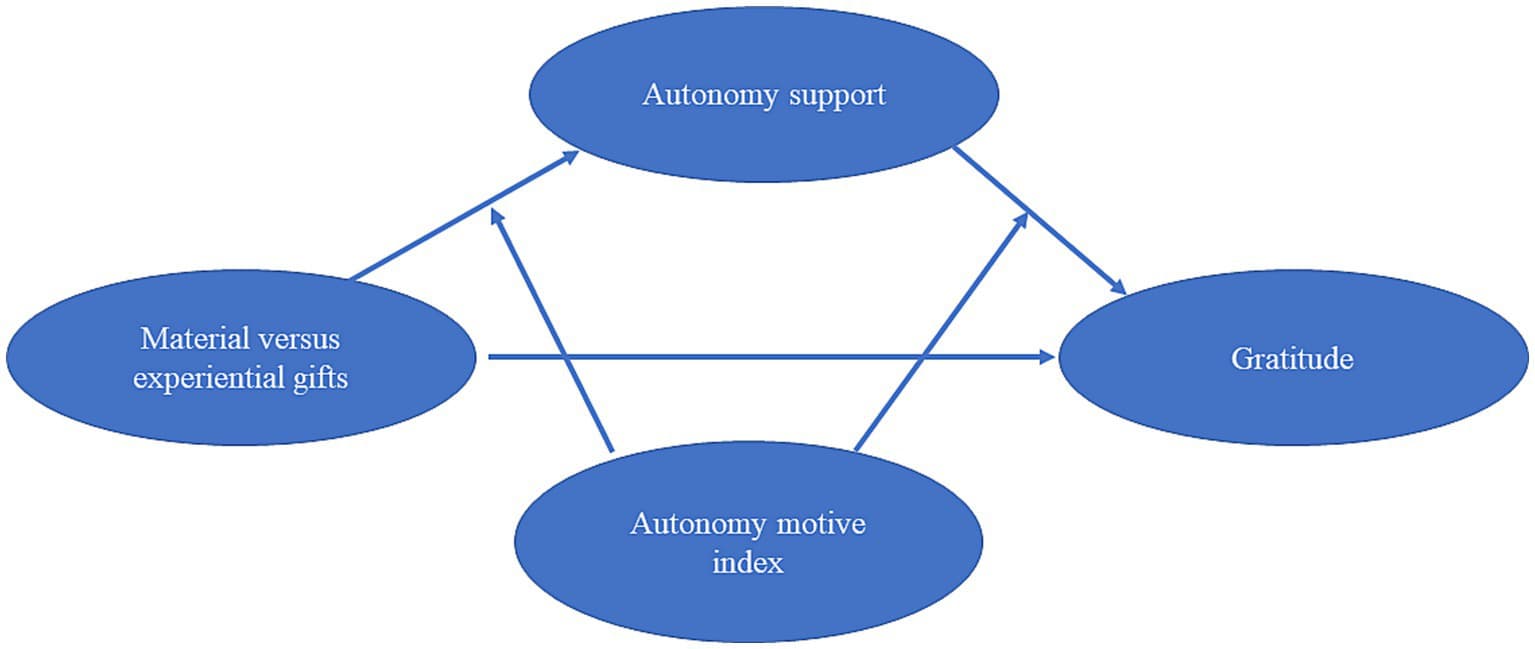
The research, conducted by Rogelio Puente-Díaz of Universidad Anáhuac México and Judith Cavazos-Arroyo of the Universidad Popular Autónoma del Estado de Puebla, examined the indirect influence of recalling experiential versus material gift consumption on gratitude, and tested the conditional role of presumed giver motives from the recipient's perspective.
The mechanism works through what psychologists call autonomy support: experiential gifts are perceived as more consistent with the recipient's true values, which in turn produces greater feelings of freedom and self-determination. When someone feels that a gift reflects who they genuinely are rather than what someone thought to buy, gratitude follows almost automatically.
In experiment after experiment, experiential gifts elicited greater gratitude, which then had a positive relationship with social connection. That chain, from gift to gratitude to deeper connection, is exactly what most people are hoping to achieve on Valentine's Day, and it is more reliably triggered by a shared experience than by a wrapped object.
The study's most actionable finding for gift-givers is the role of motive attribution. The researchers tested the conditional influence of presumed motives of gift-givers from the perspective of gift recipients, based on the postulates of Self-Determination Theory. When recipients attributed an integrated motive, meaning they interpreted the gift as a sincere expression of love rather than obligation or social performance, the gratitude boost from experiential gifts was especially pronounced. The implication is direct: a cooking class or weekend trip given with genuine feeling lands differently than the same gift given out of habit.

For practical Valentine's gifting, the research points to a few specific strategies. Experiences framed around shared identity, a pottery class for a couple who met making ceramics, a wine tasting in the region where you honeymooned, outperform generic spa vouchers precisely because they communicate that the giver was paying attention. Experiential gifts are more aligned with the true self, and one study showed that when people tell their life stories, they are more likely to include experiential than material purchases in their narratives. The concert ticket becomes a story; the cashmere sweater, however nice, typically does not.
The study also offers a practical reframe for material gift-givers who are not in a position to book a trip. The research offers prescriptions for retailers to create or position gift products as experiences, including date bundles, vouchers, and curated experience boxes, and to provide contextual messaging that ties the gift to shared memories. A spa kit presented with a handwritten note referencing a specific memory shifts the object into experience territory. What the recipient is really receiving is evidence of being known.
The broader takeaway is less about what you spend and more about what you signal. The gap between a $40 pottery class and a $400 necklace in terms of gratitude generated may be smaller than most givers assume, and according to this research, could easily run in the opposite direction.
This article was produced by Prism’s automated news system from verified source data, official records, and press releases, then run through automated quality and moderation checks before publishing. The system is built and supervised by the people who set the standards it runs under. Read our full AI policy.
Did this article answer your question?