independent jewellery labels are winning Valentine’s Day shoppers
Independent jewellers are turning Valentine’s Day into a prestige test, with scarcity, stronger storytelling and more reachable prices winning over legacy names.
Why jewellery is where the Valentine’s fight is happening
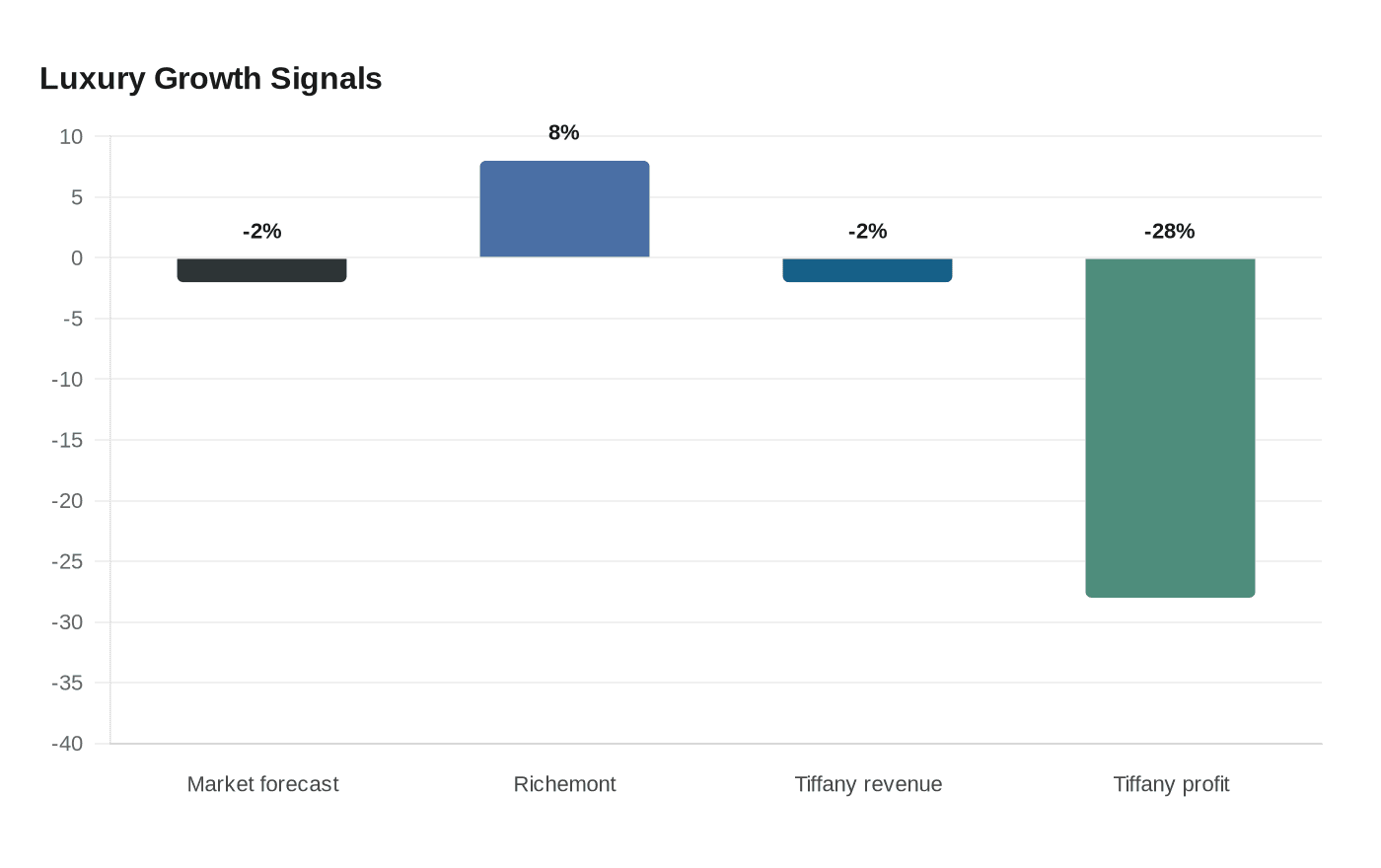
Jewellery is one of the few luxury categories still pulling its weight, and that makes it the sharpest battleground for Valentine’s Day gifting. Bain called jewellery the most resilient core luxury category in 2024, even as the broader personal luxury-goods market was forecast to fall 2% to about €363 billion, with only about a third of luxury brands expected to post positive growth. That is the kind of market tension that creates openings for challengers with a better story, a clearer point of view and a price tag that feels easier to justify as a gift.

The appeal is not just that jewellery survives when other categories soften. Bain also said consumers were making investment-led purchase decisions, and that jewellery outperformed watches. For Valentine’s shoppers, that matters because the buying mood is no longer only about sentimentality. It is about choosing something that feels meaningful today and still feels smart next year.
Heritage houses still set the scale, but they are not setting all the momentum
The biggest groups still depend heavily on jewellery, which is exactly why the category is so important to watch. Richemont’s Jewellery Maisons, including Cartier, Van Cleef & Arpels, Buccellati and Vhernier, generated €15.3 billion in FY25 sales, up 8% at actual and constant exchange rates. That is a strong reminder that fine jewellery remains one of luxury’s most durable engines, even in a tougher environment.
LVMH’s results show a more complicated picture. Tiffany & Co. revenue decreased 2% on an organic basis in 2024, and profit from recurring operations fell 28%, even as the business leaned on store renovations, higher communications spending and campaigns such as Tiffany Titan by Pharrell Williams and the 50th-anniversary Bone cuff launch. The message is plain: even the most famous names need constant reinvention to stay relevant for romance-driven occasions.
How independent labels are taking share
This is where independent jewellery labels are gaining ground. They are not trying to beat heritage houses at their own old game. Instead, they are offering the sweet spot that legacy luxury often misses: emotionally resonant pieces, insider cultural credibility and price points that feel more reachable without feeling ordinary.
The strongest challengers are doing four things well. They are building art-world credibility, opening flagship retail that feels more like a destination than a counter, developing high-jewellery offerings that signal seriousness, and shaping a brand world that feels current rather than inherited. In Valentine’s terms, that means the piece does not just say “I love you.” It also says “I know exactly who this is for.”
Scarcity is a major part of the appeal. Limited editions, retail exclusives and small runs make the purchase feel chosen rather than merely bought. That matters in a gifting moment, because romance is partly about the effort behind the object, and rare pieces naturally carry more of that charge than a standard, always-available SKU.
Why the in-store experience now matters as much as the jewel
The category is not just competing on product. BoF’s look at challenger brands makes clear that brand story, scarcity, cultural positioning and the in-store experience are now central to winning attention. That is a useful shift for gift buyers, because the best Valentine’s purchase often feels bigger than its materials. It feels staged, considered and hard to replicate.
Independent labels tend to understand this better than the old guard because they can move faster. They can create a boutique experience that feels intimate, not corporate. They can speak to a younger luxury buyer without flattening the product into mass-market romance. And they can make a piece feel like a discovery, which is often more persuasive than a famous logo alone.
The numbers behind the opportunity are still real
The Valentine’s traffic data shows why the fight is so sharp. PassBy said jewellery retailers saw average foot traffic drop by more than 30% during Valentine’s week and day in 2025 versus 2024, even though many other retail categories gained visits because Valentine’s Day fell on a Friday. That is a striking split. People are still celebrating, but they are not automatically walking through jewellery doors.
For brands, that means the old assumption that Valentine’s will do the work is no longer enough. The labels winning share are the ones that create a reason to visit, whether that is a tightly edited collection, a more personal sales experience or a sharper sense of occasion. For shoppers, it means the best gift is often the one that feels discovered, not defaulted to.
What to look for if you want the gift to feel luxurious, not generic
- Look for a clear design signature. A piece with a recognisable point of view feels more intimate than something that could come from anywhere.
- Pay attention to scarcity cues. Limited editions and retail exclusives give the gift a sense of intention and keep it from feeling interchangeable.
- Value the presentation as much as the object. Flagship retail and thoughtful packaging matter because Valentine’s gifting is a reveal, not just a transaction.
- Use price as a filter, not the whole decision. Independent labels often sit at more reachable price points than the big maisons, but the real test is whether the piece still feels special enough to wear beyond the holiday.
The market still leaves room for new names to break through
Luxury fine jewellery in the United States is still highly concentrated. One market report put Tiffany & Co., Cartier and Harry Winston at roughly 50% of the market in 2025. That kind of concentration can look intimidating, but it also leaves room for smaller labels to win on freshness, visibility and cultural relevance.
For Valentine’s shoppers, that is the quiet power shift underneath the category. The safest choice is no longer always the smartest one. Independent jewellers are proving that luxury can feel more personal, more modern and more memorable when it is built around taste, not just name recognition.
This article was produced by Prism’s automated news system from verified source data, official records, and press releases, then run through automated quality and moderation checks before publishing. The system is built and supervised by the people who set the standards it runs under. Read our full AI policy.
Did this article answer your question?