Natural Diamond Council Launches World Diamond Day to Boost Gifting Appeal
The Natural Diamond Council debuts World Diamond Day on April 8 as lab-grown prices drop 86% in a decade, making the natural-vs-synthetic question urgent for spring gift-buyers.
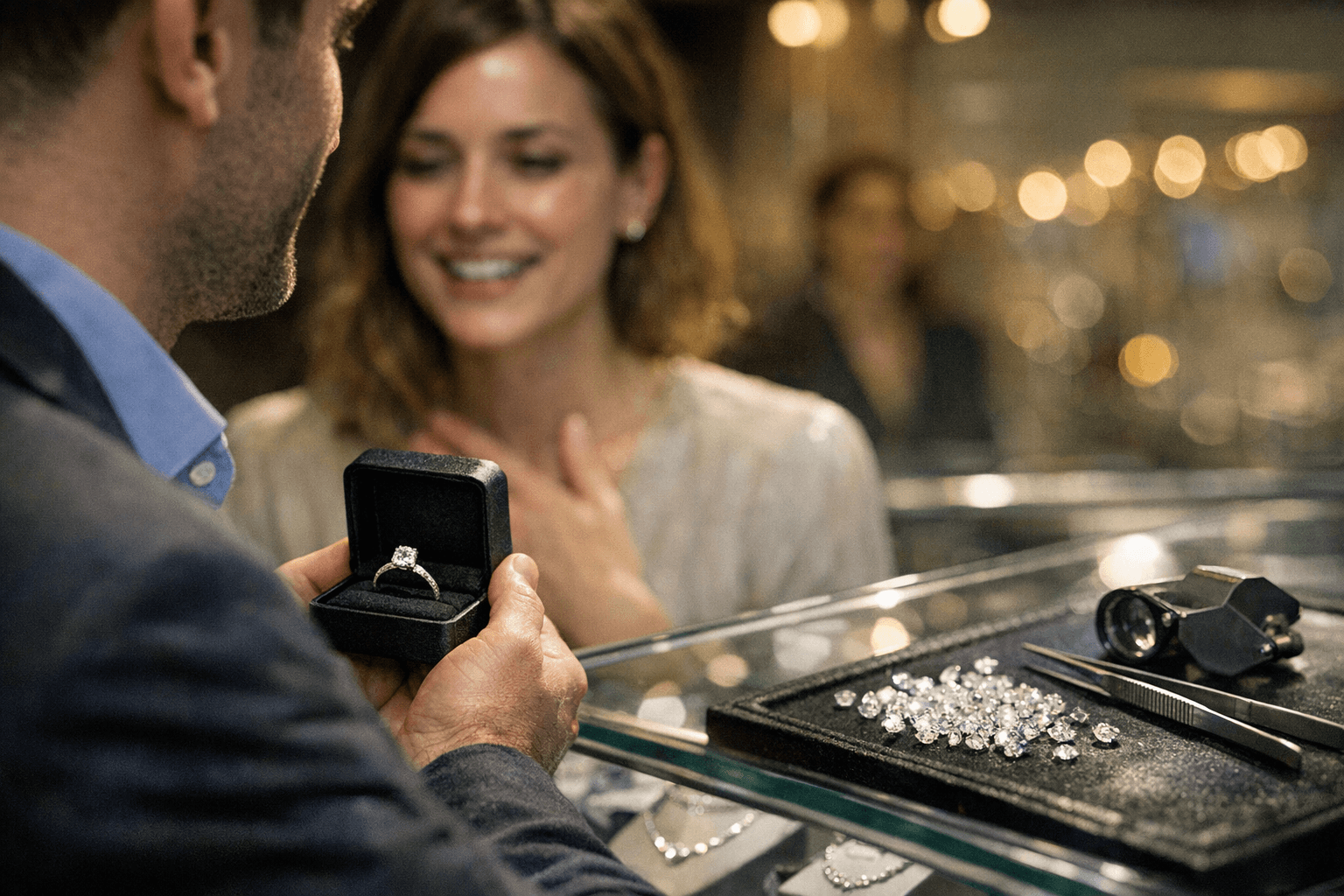
More than half of all new engagement rings now feature lab-grown diamonds, and the wholesale price on a 1.5-carat lab-grown stone has dropped 86 percent since 2015, falling from $10,750 to roughly $1,455 today. Against that backdrop, the Natural Diamond Council is launching World Diamond Day on April 8 as a global storytelling campaign designed to reframe what separates a natural diamond from one grown in a factory, and why the difference should matter to the person buying a gift this spring.
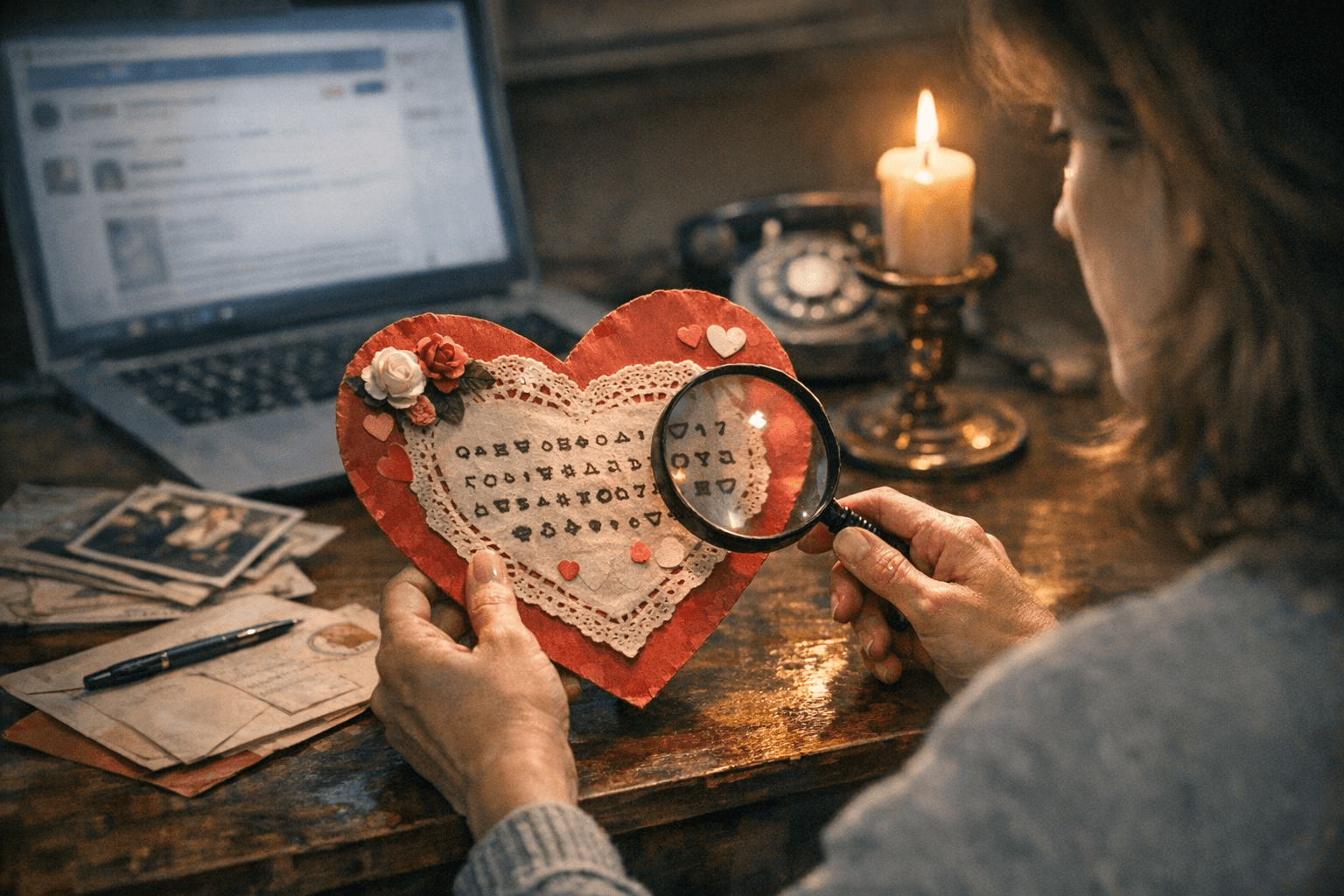
The campaign, a deliberate soft launch in its first year, invites retailers, designers, manufacturers, and individual buyers to post photos or short videos on Instagram, Facebook, LinkedIn, and TikTok using #WorldDiamondDay and #NaturalDiamonds. The Natural Diamond Council is positioning the day as a provenance moment: participants are encouraged to share personal milestones, heirloom pieces, and origin stories rooted in specific mines and communities, the kind of narrative a factory-grown stone cannot replicate.
The timing is not accidental. April sits between Valentine's Day and Mother's Day, the two most diamond-concentrated retail occasions of the year, and the NDC is pitching the initiative to trade partners as a platform for origin-driven merchandising and trade-in promotions.
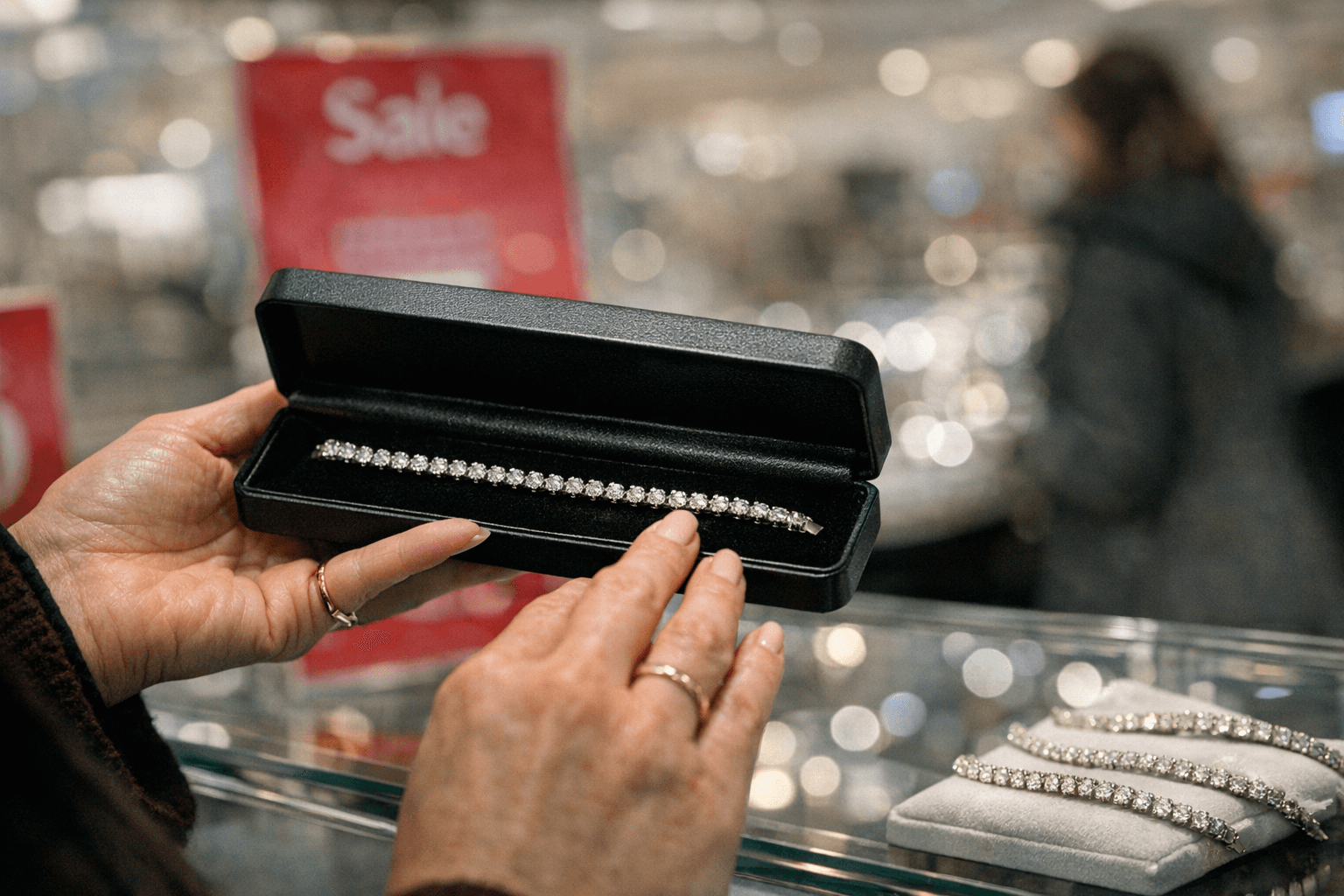
The real audience, though, is the gift-buyer standing at a jewelry counter trying to determine whether a price difference of thousands of dollars between two visually identical stones is justified. David Kellie, the former CEO of the Natural Diamond Council, framed the consumer education challenge directly: "You can talk honestly about the difference between natural diamonds versus lab-grown diamonds. There's no negative reaction when it's data-driven or factual. Those messages land with consumers."
The data worth knowing before any purchase this spring starts with resale. Lab-grown diamonds carry resale values of roughly 10 to 40 percent of purchase price; natural stones recover closer to 20 to 60 percent. Neither category is a reliable investment, but the gap matters if the recipient ever wants to upgrade or trade in. Pricing also varies sharply by certification authority: a GIA-graded stone commands a meaningful premium over an identically specified stone graded by IGI, because GIA's standards are considered stricter by most in the trade.
Five questions cut through the confusion before signing a receipt. Is the stone natural or lab-grown, disclosed in writing by the seller? Which lab issued the certificate, and is that lab GIA or another organization with an independently audited grading standard? Has the jeweler provided a written appraisal and a clear buyback or trade-in policy? How does the per-carat price compare to published benchmarks for that specific grade? And if the retailer carries both categories, have they explained the resale value difference honestly, unprompted?
The Natural Diamond Council's toolkit for World Diamond Day is available for retailers on the organization's website. For buyers, the more durable takeaway is that a certificate from a credible grading laboratory and a transparent conversation about resale are the only protections that matter after the box is opened, regardless of how the stone was formed.
Know something we missed? Have a correction or additional information?
Submit a Tip