Practical Valentine's Day gifts, stylish picks for everyday use
Skip the roses: the smartest Valentine gifts here are watches, sneakers and bags people will actually wear long after June 12.
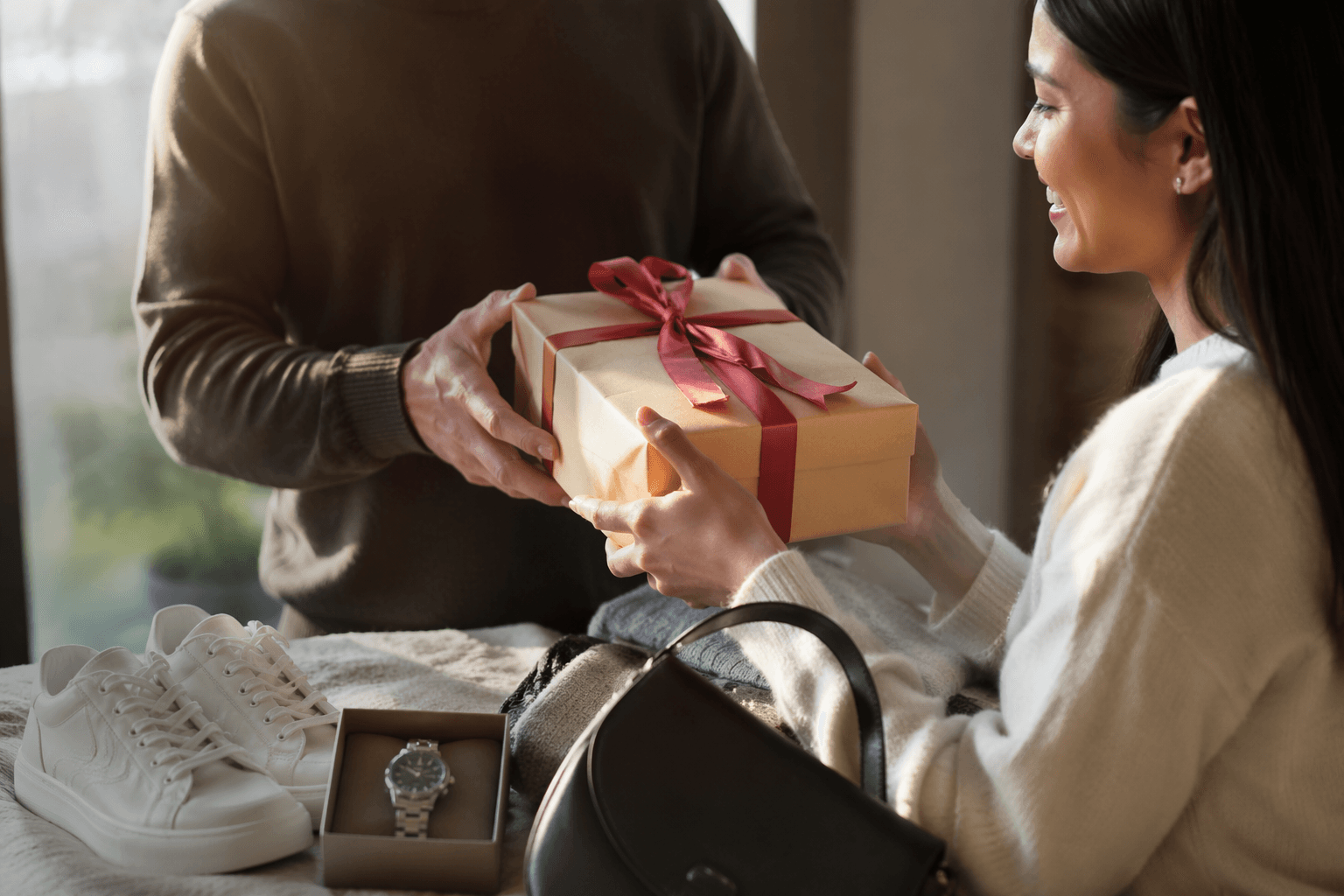
Skip the roses and the heart-shaped box. The gifts that keep paying off are the ones someone can wear on the commute, to dinner and again the next morning: a good watch, crisp sneakers, a bag with enough structure to look polished, or a sporty layer that still feels intentional. In Brazil, that logic has been baked into Dia dos Namorados since Lojas Clipper’s 1948 campaign, when João Doria’s slogan, “Não é só com beijos que se prova o amor”, helped fix June 12 on the calendar; elsewhere, the ritual still lands on February 14.
Why everyday style gifts are still winning
The clearest shopping signal this year is that people want presents that do something. In Manaus, 96% of consumers said they planned to buy gifts for Dia dos Namorados, and 78% expected to spend up to R$250. Clothing, shoes, perfumes and cosmetics led the list, which is exactly what you buy when you want the gift to be visible after the holiday is over. São Luís showed the same appetite, with Fecomércio-MA estimating about 564,000 consumers heading out to shop and 71.2% of the capital saying they intended to give gifts, up from 49.1% the year before.
The pattern repeats in other cities too. In Cuiabá, 46.3% of consumers planned to buy presents, while in Sul de Minas, 43.6% of retailers expected a better result than last year and leaned on promotions, personalization and social media to move stock. In Presidente Prudente, vestuário led buying intentions, which is another way of saying that clothes still do the job when you want something stylish that will actually be used. That is also why a g1 shopping guide in May 2026 went straight to 30 ideas under R$200, including clothes, jewelry and semijoias, cosmetics, perfumes and team merchandise.
The watch: the gift that looks considered every single day
A watch is still one of the sharpest Valentine gifts because it is visible without being showy. It shows up at work, at lunch, on the subway, at dinner and in every photo where a hand reaches for a coffee or a steering wheel. If you want something that reads as taste, not excess, this is the piece to buy for the person who likes clean design and does not want another object that only comes out on special occasions.
The smart price range here is R$200 to R$250, which lines up neatly with what shoppers in Manaus said they were willing to spend. That budget is enough to avoid flimsy, throwaway details and still stay in the realm of an everyday gift. Choose a simple face, a restrained strap and a finish that can move from work to weekend without trying too hard.
Sneakers: the easiest way to give style without being precious
Calçados were one of the strongest gift categories in Manaus, and sneakers are the most useful version of that instinct. They are casual enough for everyday wear but can still look elevated if you pick a cleaner shape and a calmer color palette. For someone whose uniform is jeans, T-shirt and a blazer, a polished sneaker is the gift that quietly upgrades everything else in the closet.
The beauty of sneakers is that they work at both price points the data points to. Under R$200, you can still find a pair that looks sharp enough for regular wear, especially if the design is minimal. Around R$250, you start getting better finishes and a more substantial feel underfoot, which matters when the gift is meant to live in rotation instead of being saved for weekends.
Bags and belt bags: the present that travels everywhere
Backpacks and pochetes may sound practical on paper, but the right one is one of the most stylish things you can give. The key is choosing a shape that looks intentional, not purely sporty: compact, structured and easy to carry with the rest of a normal wardrobe. A good bag is obvious in the best way because it gets used constantly, which is exactly what makes it such a strong Valentine gift.
This is also where the under-R$200 range from the g1 guide makes sense. That ceiling is high enough for a neat everyday bag or a compact belt bag, especially if the person values hands-free convenience. Push toward R$250 and you can get better hardware, sturdier fabric or a cleaner silhouette, all of which make a difference once the gift starts living on the body instead of on a shelf.
Sportswear and team pieces for the person who likes a personal signal
Clothes are still the safest bet in places like Presidente Prudente, where vestuário led buying intentions, and sportswear gives that category more personality. A logo sweatshirt, a team tee or a well-cut training top works for the person who lives in athleisure and likes a gift with identity, not just utility. The g1 guide’s inclusion of articles of times fits that mood perfectly, because the best fan pieces are the ones that can be worn in public without looking like costume.
This is another place where the R$200 ceiling is useful. It keeps the gift accessible while leaving enough room for a piece that feels considered. If the recipient already owns plenty of bags and shoes, a well-chosen sweatshirt or team shirt gives you the same daily-use logic with a more personal edge.
When you want something smaller, semijoias and beauty still work
Semijoias, perfumes and cosmetics also earned their place in the under-R$200 shopping mix, and they are the right answer when you want to keep things smaller without making the gift feel like an afterthought. A slim chain, a polished scent or a useful beauty item can still feel specific if it suits the person’s routine and taste. These are the gifts that fit the same logic as the clothes and sneakers: they have to be useful, but they should still look like you thought about them.
That is the thread running through the whole season, whether the market is Manaus, São Luís, Cuiabá or Sul de Minas. The numbers all point in the same direction: people are still buying, retailers are still leaning into style, and the strongest Valentine gifts are the ones that keep showing up after the day itself is gone.
This article was produced by Prism’s automated news system from verified source data, official records, and press releases, then run through automated quality and moderation checks before publishing. The system is built and supervised by the people who set the standards it runs under. Read our full AI policy.
Know something we missed? Have a correction or additional information?
Submit a Tip